
Have you ever spent hours painting a beautiful piece of furniture, only to watch the finish peel, bubble, or soak right into the grain? It is a frustrating experience that turns a fun DIY project into a messy chore. Many people assume that paint is the most important part of the process, but the secret to a professional look actually hides underneath.
Choosing the right wood primer feels overwhelming because the hardware store aisle is packed with endless cans, labels, and technical jargon. Should you use oil-based, water-based, or shellac? If you pick the wrong one, your paint might fail to stick, or ugly stains could bleed through your hard work. The truth is that the right primer acts as the foundation for your project, saving you time, money, and future headaches.
In this guide, we will clear up the confusion and take the guesswork out of your next project. You will learn how to identify your wood type, understand which primer formula works best for your specific needs, and discover the pro tips that ensure a smooth, long-lasting finish. By the end of this post, you will feel confident picking the perfect product every single time. Let’s dive into the essential details that will help you achieve a flawless result on your next wood painting adventure.
Top Wood Primer Recommendations

- Designed for interior and exterior surfaces
- Bonds to glossy surfaces without scuff sanding
- 35°F low application temperature
- Formulated with stain‐blocking resins
- Rust inhibitive ‐ may be used to prime ferrous metal

- Ideal for use on interior/exterior surfaces including wood, plastic, plaster, metal, masonry and unglazed ceramic
- Oil-based formula is low odor, resist chips and provides long-lasting protection
- Dries to touch in 20 minutes and covers up to 12 sq. ft. per can
- Durable formula provides excellent hide and goes on smoothly
- Flat primer provides a surface ready for painting

- Essential for Bare & Painted Wood: Polar Wood Primer prepares both new and previously painted wood surfaces for painting, creating a smooth, even base that enhances adhesion and ensures a durable topcoat finish
- Flexible Finish for Durability: Offers a flexible finish that prevents cracking, providing enduring protection against wear and maintaining the pristine condition of your wood surfaces with a coverage of 130 sq ft per 33 fl oz
- Water-Repellent & Dirt-Resistant: Designed to repel water and resist dirt, this Wood Primer maintains the pristine condition of your wood surfaces, ensuring they look their best
- UV & Weather Resistant: Provides excellent UV and weather resistance, safeguarding your wood from the damaging effects of sunlight and harsh weather conditions
- Quick Drying & Easy Application: Dries in 1-2 hours and is recoatable after 4 hours, allowing for efficient project completion. Its low surface tension ensures deep penetration and smooth application with a brush or roller

- ✨ NEW & IMPROVED FORMULA – Now features stronger adhesion and compatibility with virtually any brand of stain, including penetrating stains. Enjoy easier application and a more natural finish when paired with Retique It Liquid Wood or traditional stains.
- 🪵 Prime for Light Wood or Dark Wood Finishes – Wood’n Primer preps your surface to take on any wood tone with excellent depth and contrast.
- 🧬 Patented Formula – Specifically engineered to mimic the absorbency of raw wood, Wood’n Primer enhances stain penetration for a more authentic final look.
- 🖐️ Real Wood Feel, Real Wood Look – Although it’s a primer, once stained and sealed, the finish will look and feel like wood—because it is real wood!
- 🚫 No Stripping, No Hassle – No need to sand off old finishes. Just clean, lightly scuff, apply Wood’n Primer, and you’re ready to transform your surface with stain.

- Interior/Exterior use on new or previously painted drywall, concrete, wood, masonry, metal and glossy or difficult surfaces
- Water-based formula seals uniformly and will stick to surface without sanding
- Dries to the touch in just 30 minutes, ready to recoat in 1 hour and covers up to 100 sq. ft.
- Has excellent stain blocking resistance and can be used over any oil or latex topcoat
- Gray color of primer works great under vibrant, vivid colors saving time and money by improving hide and coverage of deep topcoats

- Ideal for use on interior/exterior surfaces including wood, plastic, plaster, metal, masonry and unglazed ceramic
- Oil-based formula is low odor, resist chips and provides long-lasting protection
- Dries to touch in 20 minutes and covers up to 12 sq. ft. per can
- Durable formula provides excellent hide and goes on smoothly
- Flat primer provides a surface ready for painting
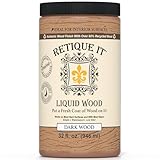
- ✨ NEW & IMPROVED FORMULA – Now it works with virtually any brand stain with smoother application & stronger bond! Our newest formula glides silkier for a deeper wood grain penetration, and enhanced adhesion. Enjoy easier application and a more authentic wood finish with every brushstroke.
- [Authentic Wood Finish] - Patented in 2018, only Retique It can give you an authentic wood finish with over 60% real wood fibers.
- [Looks & Feels like Wood] - Your finish will look like wood and feel like wood because it IS wood!
- [No Sanding or Stipping off the Old Finish] - Just lighlty scuff sand and you are ready to go. With Retique It you are actually putting fresh coat of wood on it, ready for the stain.
- [Eco-Friendly & Safe] - Water based, Low VOC, virtually no order. Can be applied inside. Easy clean up with soap and water.
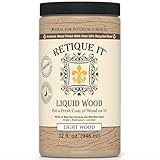
- ✨ NEW & IMPROVED FORMULA – Now it works with virtually any brand stain including penetrating stains and geater adheasion for a beautiful REAL wood finish. Enjoy easier application and a more authentic wood finish with every brushstroke.
- [Light Wood] - Light Wood is the most versatile of our wood shades. It will work well with almost any wood stain color. Light Wood gives great depth/contrast to darker stain colors like dark brown stains.
- [Authentic Wood Finish] - Patented in 2018, only Retique It can give you an authentic wood finish with over 60% real wood fibers.
- [Looks & Feels like Wood] - Your finish will look like wood and feel like wood because it IS wood!
- [No Sanding or Stipping off the Old Finish] - Just lighlty scuff sand and you are ready to go. With Retique It you are actually putting fresh coat of wood on it, ready for the stain.
The Ultimate Guide to Choosing the Best Wood Primer
Painting wood is a great way to refresh your home. However, you cannot just slap paint on raw wood. You need a good primer first. A primer acts as a bridge between the wood and the paint. It helps the paint stick better and look smoother. This guide will help you pick the right one for your next project.
1. Key Features to Look For
- Adhesion: A good primer helps paint grip the surface. This prevents the paint from peeling off later.
- Stain Blocking: Some woods, like pine, have natural oils. A primer should seal these oils so they do not bleed through your new paint.
- Drying Time: Fast-drying primers save you time. Look for labels that say “ready to topcoat in one hour.”
- Sanding Ease: High-quality primers are easy to sand. This allows you to create a super smooth base before the final coat.
2. Important Materials
Primers usually fall into three main categories. Each type works best for different jobs:
- Oil-Based: These are the gold standard for blocking stains. They work well on exterior wood and furniture. However, they have strong fumes.
- Water-Based (Latex): These are easy to clean up with soap and water. They are flexible and work great on most indoor projects.
- Shellac-Based: These are the best for sealing knots and water damage. They dry very fast and stick to almost anything.
3. Factors That Affect Quality
The quality of a primer changes based on its ingredients. Cheaper primers often use more water and less resin. Resin is the glue that holds the paint to the wood. High-quality primers have more solids, which provide better coverage. If you use a thin, cheap primer, you might need three coats of paint instead of two. Always check the label for “high-hide” or “high-solids” formulas. These will save you time and effort in the long run.
4. User Experience and Use Cases
Think about where you are painting. If you are painting a kitchen cabinet, you need a primer that resists moisture. If you are painting an old piece of furniture, you need a primer that hides old stains. Most users prefer water-based primers for indoor walls because they do not smell as bad. For outdoor fences or decks, oil-based primers are usually the smarter choice because they stand up to the weather better.
10 Frequently Asked Questions
Q: Do I really need to use a primer?
A: Yes. Primer seals the wood and ensures your paint looks even. Without it, the wood will soak up the paint, and the color will look patchy.
Q: Can I use a primer as a paint?
A: No. Primers are designed to grip, not to protect. They will fade or crack if they are left exposed to sunlight or wear.
Q: How many coats of primer should I use?
A: One coat is usually enough for most surfaces. Use two coats if the wood is very dark or has heavy stains.
Q: Do I need to sand the wood before priming?
A: Yes. Lightly sanding the wood helps the primer stick. It also removes any bumps or rough spots.
Q: Can I use oil-based primer under water-based paint?
A: Yes, you can. Just make sure the oil-based primer is fully dry before you apply the water-based paint.
Q: How long should I wait before painting over the primer?
A: Check the back of the can. Most primers need to dry for at least one to four hours.
Q: Does primer expire?
A: Yes, it can. If the primer is lumpy or smells very bad, it is likely too old to use.
Q: What is the best primer for knots in wood?
A: Use a shellac-based primer. It is the best at stopping sap from bleeding through your paint.
Q: Can I tint my primer?
A: Yes. Many hardware stores can add a little bit of color to your primer. This helps when you are painting a light color over a dark one.
Q: Is spray primer as good as brush-on primer?
A: Spray primer is great for small or detailed items like chairs. Brush-on primer is better for large surfaces like walls or tables.