
Do you remember the day you bought your favorite wooden table or heirloom dresser? It likely glowed with a rich, warm finish that made your entire room feel complete. Over time, however, dust, sunlight, and everyday use can leave that beautiful wood looking dull, scratched, and lifeless. Bringing back that original luster isn’t just about aesthetics; it is about protecting your investment for years to come.
Choosing the right furniture polish can feel like a daunting task. Walk down any cleaning aisle, and you will find a dizzying array of sprays, waxes, oils, and creams. Many products promise a “miracle shine” but end up leaving behind a sticky, filmy residue that actually attracts more dust. Others contain harsh chemicals that can dry out the wood fibers or damage delicate finishes over time. It is easy to feel overwhelmed by the labels and worried about using the wrong product on your precious pieces.
In this guide, we take the guesswork out of wood care. You will learn how to identify the best ingredients for your specific furniture and how to avoid the common traps that ruin wood surfaces. We will break down the differences between waxes, oils, and polishes so you can pick the perfect match for your home. By the end of this post, you will have the confidence to nourish your wood and keep it looking brand new. Let’s dive into the best ways to restore your furniture’s natural beauty.
Top Furniture Polish For Wood Recommendations

- Furniture polish and shine spray protects special sealed surfaces
- Removes dust and fingerprints off of most hard surfaces
- Lemon Pledge provides a protective coating without a waxy buildup
- When used as directed, gives a streak-free shine that keeps surfaces looking their best
- Convenient, quick and easy wood polish spray leaves a crisp & fresh scent

- Pledge Wood Oil conditions and protects the appearance of wood & leather furniture
- Use to revive wood kitchen cabinets, windowsills, tables, chairs and more
- Amber & argan scented wood moisturizer provides a lasting conditioning
- Moisturizing oil spray revitalizes sealed leather and wood furniture
- Expert Care reviving moisturizing oil provides a healthy radiance

- Each spray, in all its lovely non-toxic glory delivers a mighty cleaning punch
- Grease and grime don't stand a chance with the cutting-edge green chemistry of Method's power green technology.
- Recyclable package made with 100% recycled plastics.
- Never tested on animals.

- Polishes all wood surfaces to a soft luster with a protective coating of Carnauba Wax and Beeswax
- Introduces conditioning oils that “feed” the wood and helps keep it from drying and fading
- Enhances the natural beauty and depth of grain in finished and unfinished wood
- For use on antiques, dining tables, kitchen cabinets, wood doors and trim, etc.
- Helps to prevent further drying of the wood and deterioration of the finish. Contains no silicone or linseed oils

- Furniture polish and shine spray protects special sealed surfaces
- Removes dust and fingerprints off of most hard surfaces
- Lemon Pledge provides a protective coating without a waxy buildup
- When used as directed, gives a streak-free shine that keeps surfaces looking their best
- Convenient, quick and easy wood polish spray leaves a crisp & fresh scent

- Orange furniture polish spray protects and shines sealed surfaces
- Removes fingerprints and dust from most special hard, sealed surfaces
- Delivers a protective coating without a waxy buildup, enhancing appearance
- Furniture polishing spray ideal for cabinets, tables, countertops & more
- Quick and easy furniture polish leaves a fresh scent

- Polishes all wood surfaces to a soft luster with a protective coating of Carnauba Wax and Beeswax
- For use on antiques, dining tables, kitchen cabinets, wood doors and trim, etc.
- This unique blend of beeswax, carnauba wax and orange oil enhances the natural beauty and depth of grain in finished and unfinished wood
- Helps to prevent further drying of all wood finishes
- The perfect follow-up to Restor-A-Finish to maintain newly restored finish wood finishes
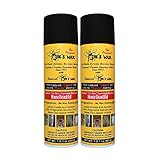
- Use it on wood, leather, marble, granite, wrought iron, stainless steel, glass and mirrors
- Leaves no fingerprints
- Has no wax buildup over time
- Requires no buffing
- Also cleans, moisturizes and restores vibrant color to leather furniture, car seats, shoes, purses, etc. with no greasy feel
The Ultimate Buying Guide: Choosing the Best Furniture Polish
Keeping your wood furniture looking new is easy with the right polish. Wood needs moisture to stay strong and shiny. A good polish protects your pieces from dust, scratches, and drying out. Follow this guide to pick the best product for your home.
1. Key Features to Look For
You want a polish that does more than just shine. Look for products that offer UV protection to prevent sun damage. A good polish should also be easy to apply and wipe off without leaving a sticky mess. Some polishes include cleaning agents, which help you remove dust while you shine the wood.
2. Important Materials
Check the label for natural oils like beeswax, carnauba wax, or orange oil. These ingredients soak into the wood grain to nourish it. Avoid products with too much silicone. Silicone can create a film that makes it hard to refinish your furniture later. If you have fine antiques, stick to high-quality paste waxes.
3. Factors That Improve or Reduce Quality
High-quality polishes contain ingredients that bond with the wood surface. They leave a smooth, dry finish. Low-quality polishes often rely on cheap oils that stay greasy. These cheap oils attract more dust and dirt over time. Always choose a product that lists its ingredients clearly. If a bottle has a very strong chemical smell, it might be too harsh for your wood.
4. User Experience and Use Cases
Think about how you will use the product. If you have busy kids and pets, a spray-on polish is fast and convenient. For deep cleaning, a cream or paste polish works best. Always test your polish on a small, hidden spot first. This ensures the product does not change the color of your wood finish.
10 Frequently Asked Questions
Q: How often should I polish my wood furniture?
A: Most wood furniture needs polishing every three to six months. Do not over-polish, as this can cause wax buildup.
Q: Is furniture polish the same as wood cleaner?
A: Not always. Cleaners remove dirt, while polishes add a protective layer. Many modern products do both at once.
Q: Can I use furniture polish on laminate wood?
A: It is best to avoid heavy waxes on laminate. Use a damp cloth instead, as polish may leave a streaks on non-porous surfaces.
Q: Will furniture polish fix deep scratches?
A: No. Polish hides small surface scratches, but deep gouges require wood filler or touch-up markers.
Q: Should I use a spray or a paste wax?
A: Sprays are better for quick dusting. Paste waxes offer better, longer-lasting protection for dining tables and desks.
Q: Does polish make wood slippery?
A: Some polishes can be slippery. Wipe the surface thoroughly with a dry cloth after you apply the polish to remove excess residue.
Q: Is natural polish better than synthetic?
A: Natural ingredients like beeswax are often safer for your health and better for the wood long-term.
Q: What kind of cloth should I use?
A: Always use a soft, lint-free microfiber cloth. Rough rags can scratch the wood surface while you apply the polish.
Q: Can I mix different brands of polish?
A: It is best to stick to one brand. Mixing different waxes can lead to a cloudy or uneven finish.
Q: How do I remove old wax buildup?
A: You can use a mild soap and water solution or a specialized wax remover to clean the surface before applying a new coat.