
The main tool used to measure force is generally called a force gauge or a dynamometer. These devices come in many forms, but their job is always the same: to measure how hard something pushes or pulls.
Force is a push or a pull. Everything that moves, stops moving, or changes shape involves force. In science, force is measured in units called Newtons (N). To know how much push or pull is happening, we need special tools. These tools help engineers, doctors, and factory workers check if things are strong enough or if a process is working right.
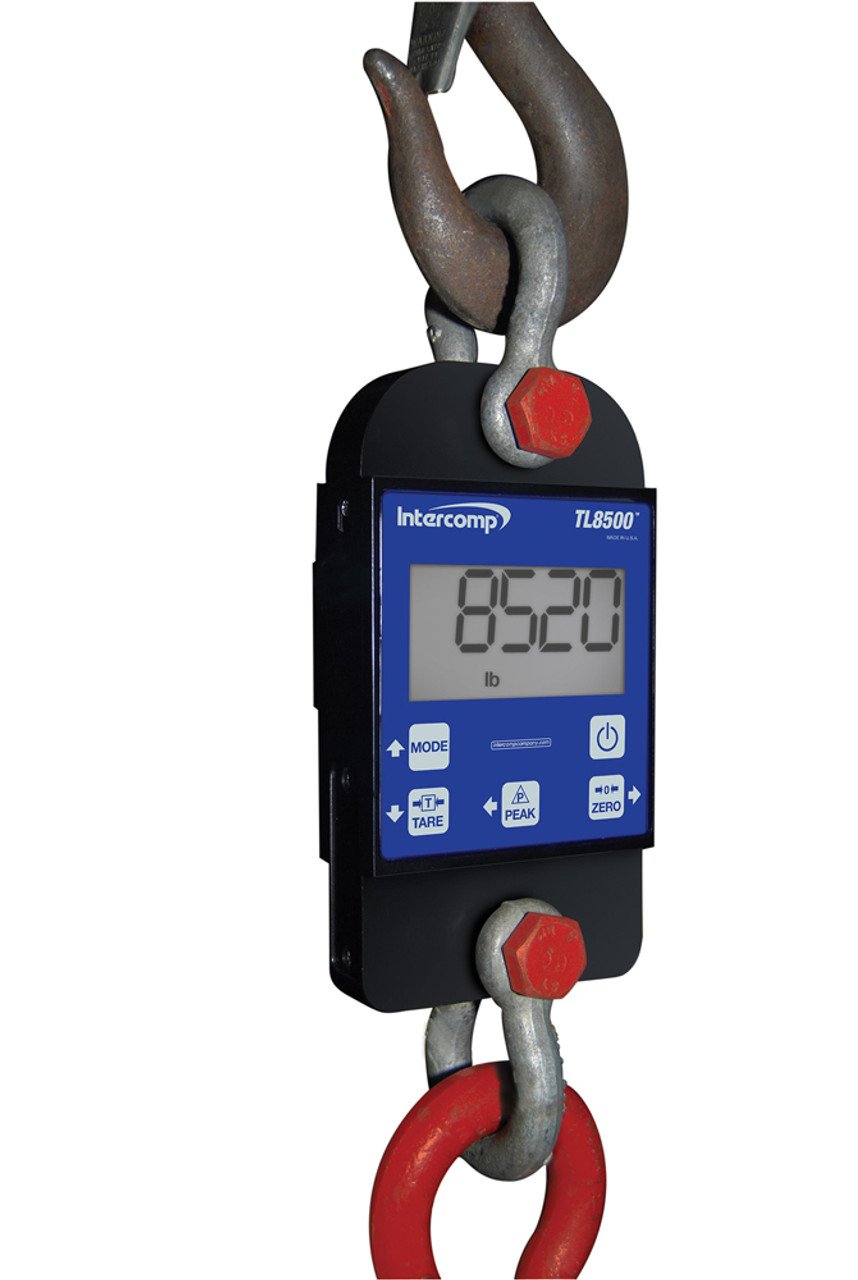
Image Source: images.squarespace-cdn.com
Basic Concepts of Force Measurement
Before looking at the specific tools, it helps to know how force measurement works. Most modern tools rely on the principle of deformation. When you push on something, it slightly changes shape. The amount of change is linked directly to how hard you pushed.
The Role of Simple Mechanics
In the simplest terms, force measurement often involves balancing forces. Imagine hanging a weight from a spring. The weight pulls down (force). The spring stretches until the upward pull of the spring equals the downward pull of the weight. This balance lets us measure the weight’s force.
Many advanced instruments use this same idea but measure the tiny stretch or squeeze electronically.
Primary Tools for Measuring Force
There are several key instruments used across different fields to measure force accurately. These tools range from simple mechanical devices to complex electronic systems.
The Force Gauge: A Versatile Helper
A force gauge is one of the most common tools. It is often handheld and portable. Think of it as a digital scale, but instead of measuring weight, it measures tension (pulling) or compression (pushing).
Types of Force Gauges
- Digital Force Gauges: These use internal electronic components to show the reading on a screen. They are very easy to read and often save the data.
- Analog Force Gauges (Mechanical): These use a spring or a calibrated scale to show the force directly, much like an old-fashioned fishing scale.
Force gauges are perfect for quality checks on production lines. For example, they measure the strength needed to open a jar lid or the force required to snap a plastic clip shut.
The Dynamometer: Measuring Power and Force
A dynamometer, often shortened to “dynamo,” is a specialized tool. While sometimes used loosely to mean any force-measuring device, it usually measures mechanical power, especially rotational force or torque.
Key Applications of the Dynamometer
- Engine Testing: A chassis dynamometer measures the power output of a vehicle’s wheels. This is a direct measurement of the force the engine applies over time.
- Muscle Strength: Medical dynamometer devices test human or animal muscle strength. A grip strength dynamometer, for instance, measures the maximum squeezing force a hand can generate.
The results from a dynamometer are crucial for designing engines, testing fitness levels, and ensuring equipment meets performance standards.
The Load Cell: The Electronic Core
A load cell is perhaps the most important electronic component in modern force measurement. It is a transducer. A transducer changes one type of energy (mechanical force) into another (an electrical signal).
How a Load Cell Works
The heart of many load cells is the strain gauge.
The Strain Gauge Principle
A strain gauge is a tiny resistor, usually foil or wire glued onto a metal block inside the load cell.
- Force Applied: When force pushes or pulls the load cell, the metal block slightly deforms (stretches or compresses).
- Resistance Change: Because the strain gauge is glued to this metal, it stretches or squeezes too. Stretching the gauge makes its electrical resistance go up. Squeezing it makes the resistance go down.
- Signal Conversion: This small change in resistance is measured electronically. This electrical signal is then converted into a readable force measurement.
Load cells are incredibly versatile. They are found inside almost all modern digital scales and sophisticated testing machines. They are the building blocks for accurate force sensing.
The Force Transducer: Broader Terminology
The term force transducer is a broad category that includes the load cell. A force transducer is any device that converts mechanical force into a usable electrical signal. While load cells are often used for measuring static or dynamic forces in one direction, other transducers might measure forces in multiple directions or specialized types of force.
Similarly, a force sensor is a general term for any device built to detect force, often encompassing both load cells and other specialized measuring elements.
Measuring Related Forces: Tension and Torque
Force measurement is not always about simple pushing or pulling. Sometimes, we need to measure the force involved in twisting or stretching materials.
The Tensiometer: Measuring Pulling Force in Lines
A tensiometer is specifically designed to measure the tension in cables, wires, ropes, or fibers. Think about the force needed to keep a suspension bridge cable tight.
A tensiometer grips the line and measures the linear pull (tension) being exerted. This is vital in telecommunications, construction, and even textile manufacturing to ensure materials are under the correct strain.
The Torque Wrench: Measuring Twisting Force
Torque is rotational force—the twisting action. A torque wrench measures this twisting effort. When tightening a bolt, you don’t just need to pull hard; you need to apply a specific amount of turning force (torque) to ensure the joint is secure but not damaged.
A calibrated torque wrench measures the applied twisting force, often displaying the result in Newton meters (Nm) or foot-pounds. While measuring torque, the tool is inherently measuring the force applied at a specific distance from the pivot point.
Units of Force Measurement
How we express the measurement is just as important as the tool we use.
| Unit Name | Symbol | Primary Use | Relationship to Newton (N) |
|---|---|---|---|
| Newton | N | SI Base Unit for Force | 1 N |
| Kilogram-force | kgf | Older unit, still used in some industries | Approx. 9.81 N |
| Pound-force | lbf | Imperial System Unit | Approx. 4.448 N |
| Newton Meter | Nm | Used for Torque (Force × Distance) | Not a direct force unit, but related to torque measurement |
The standard international (SI) unit for force is the Newton meter is often confused with the Newton itself. The Newton measures force, whereas the Newton meter (Nm) measures torque (the turning effect of that force).
How Scales Relate to Force Measurement
You might wonder where a weighing scale fits into this discussion. A weighing scale, whether a simple bathroom scale or a large industrial platform scale, is fundamentally a type of force measuring device.
The Weighing Scale Mechanism
A weighing scale measures weight. Weight is a force—the force of gravity pulling mass down onto the scale platform.
- Older Mechanical Scales: These use springs, similar to a mechanical force gauge. The deflection of the spring is proportional to the weight (force).
- Digital Scales: These use load cells placed under the platform. The compression on the load cell generates an electrical signal corresponding to the weight applied.
Thus, every time you use a weighing scale, you are using a specific application of force measurement technology based on springs or load cells.
Advanced Force Measurement Systems
For high-precision testing, such as in aerospace or materials science, highly sophisticated systems are required.
Universal Testing Machines (UTMs)
These large machines incorporate several of the tools mentioned. A UTM can apply controlled tension or compression forces to a material sample while simultaneously measuring the resulting deformation.
- They contain one or more highly accurate force transducers (often calibrated load cells) to measure the applied load.
- They use displacement sensors to measure how much the material stretches or compresses.
- The entire system calculates stress and strain from the measured force and dimensions.
Data Acquisition and Analysis
Modern force measurement is heavily reliant on electronics. The signal from a force sensor or load cell is usually very small. This signal must be amplified and processed by data acquisition hardware. Specialized software then turns this raw electrical data into meaningful graphs and reports, often tracking force over time, or plotting force against displacement. This level of detail is why high-quality force transducers are essential for research.
Selecting the Right Tool
Choosing the correct tool depends entirely on what you need to measure.
- Simple Go/No-Go Checks (e.g., a latch closing): A basic digital force gauge is usually sufficient.
- Measuring Engine Power: A dynamometer is necessary.
- Measuring Bolt Tightness: A torque wrench is the required instrument.
- Measuring Tension in a Guy Wire: A specialized tensiometer is the best fit.
- Building a Custom Weighing or Testing System: You will need accurate load cells and associated electronics.
The precision required also dictates the tool. A high-end research force sensor will be much more accurate and expensive than a simple handheld gauge used on a factory floor.
Maintenance and Calibration
Any tool designed to measure force must be accurate. If the tool is wrong, safety issues or product failures can occur.
Calibration is Key
Calibration is the process of checking the tool against a known, traceable standard.
- Standard Weights: For checking a weighing scale or a compression load cell, certified test weights are used.
- Master Force Gauge: Often, one highly accurate gauge is used to check less accurate field gauges.
Regular calibration ensures that the reading on the force gauge or dynamometer truly represents the actual force being applied. If a strain gauge inside a force transducer drifts due to temperature changes or age, calibration brings it back into line.
Future Trends in Force Measurement
The field of force measurement is constantly advancing, driven by the need for smaller, faster, and more integrated sensors.
Miniaturization
We are seeing the development of extremely small force sensors that can be embedded directly into structures or even medical devices. These miniature sensors rely on advanced semiconductor technology to create highly sensitive strain gauge arrays on tiny silicon chips.
Wireless Integration
More and more force gauges and load cells offer wireless communication. This means test data can be sent directly to a computer or tablet in real-time without cumbersome cables, making field testing much simpler.
Smart Systems
Future systems will likely feature self-calibrating or self-correcting force transducers. These smart systems will monitor their own health and adjust for minor environmental changes, reducing the need for frequent manual checks.
In summary, measuring force requires tools that can accurately convert a push or pull into a measurable output. Whether it is the simple spring in a weighing scale, the twisting measurement of a torque wrench, or the complex electronics of a load cell within a sophisticated dynamometer, these instruments are vital for making sure our world is built and operates safely and effectively.
Frequently Asked Questions (FAQ)
H4: What is the difference between a force gauge and a dynamometer?
A force gauge typically measures linear push or pull force (tension or compression) directly, often used for simple quality control. A dynamometer usually measures the mechanical power or rotational force (torque) produced by an engine or muscle, though the terms can sometimes overlap in general use.
H4: Can I use a weighing scale to measure actual force?
Yes, a weighing scale measures weight, and weight is a form of force (the pull of gravity). Digital scales use load cells internally to measure this force. However, for non-vertical forces or high-precision mechanical testing, a dedicated force gauge or force sensor is necessary.
H4: What material is used inside a load cell?
The core of most modern load cells is a highly accurate metal element, often steel or aluminum, to which strain gauge sensors are attached. The metal deforms slightly under load, and the change in the strain gauge resistance provides the electrical signal.
H4: How is torque measured instead of just force?
Torque is a twisting force. A tool like a torque wrench measures this by calculating the force applied multiplied by the distance from the pivot point (the axis of rotation). While force is measured in Newtons, torque is measured in units like Newton meter (Nm).
H4: What is a strain gauge used for in force measurement?
A strain gauge is a sensor that measures strain (deformation). It is bonded to a body (like the element inside a load cell or force transducer). When the body stretches or compresses due to an external force, the gauge’s electrical resistance changes proportionally, allowing the force to be calculated electronically.