
The standard dryer vent hole size needed in most homes is 4 inches. This means the dryer vent hole saw size you should look for is typically a 4 inch hole saw for dryer vent applications. However, you must always check the manufacturer’s installation guide for your specific dryer vent hood or ductwork to confirm the exact hole saw diameter for dryer vent required, as some newer systems might use slightly different sizes.
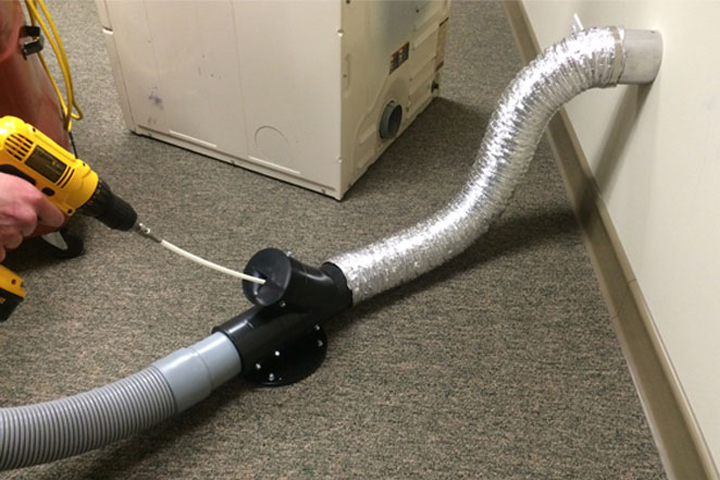
Image Source: skycleanair.com
Selecting the Right Hole Saw Diameter for Dryer Vent Installation
Putting in a new dryer vent, or replacing an old one, requires cutting a clean, accurate hole through an exterior wall. The size of this hole is critical for proper airflow. Too small, and your dryer efficiency drops; too large, and you create gaps that let in air leaks and pests. Getting the best hole saw size for ductwork is the key to a professional finish.
Why Size Matters in Dryer Vent Installation
Dryer vents move hot, moist air from your machine outside. If the vent pipe is crushed or the hole is too tight, the air cannot escape easily. This causes lint buildup, which is a fire hazard. It also makes your dryer work harder, using more energy and wearing out faster. Choosing the correct hole saw dimensions for vent pipe ensures a snug fit for the transition duct.
The most common type of dryer vent material exiting the house is a 4-inch rigid or semi-rigid duct. Because of this standard, the standard dryer vent hole size you will deal with most often is 4 inches.
The Common Culprits: 3-Inch vs. 4-Inch Vents
While 4 inches is the standard, older homes or laundry hookups for smaller appliances might sometimes feature 3-inch vents. Always measure your existing ductwork or check your new vent cap specifications.
| Vent Size (Nominal Diameter) | Typical Hole Saw Size Needed | Common Use |
|---|---|---|
| 4-inch Duct | 4 inches | Standard Clothes Dryers (Gas/Electric) |
| 3-inch Duct | 3 inches | Some older homes or compact appliances |
| 5-inch Duct | 5 inches | High-capacity or commercial setups |
When cutting hole for dryer vent, aiming for the exact diameter of the vent pipe or the flange of the exterior vent hood is important.
Types of Hole Saws for Wall Dryer Vent Projects
Not all hole saws are made the same. The material you are cutting through—whether it’s wood siding, brick, stucco, or metal—will guide your choice of saw blade and arbor. For a hole saw for wall dryer vent, you likely need a robust tool.
Carbide vs. Bi-Metal Hole Saws
The material of the cutting teeth determines how well the saw cuts through different wall layers.
Bi-Metal Hole Saws
These are good for general use, especially cutting through wood framing and thin metal flashing. They use a mix of steel and other metals for the teeth. They are usually affordable and effective for standard home wall construction.
Carbide-Tipped Hole Saws
These are tougher. They have tungsten carbide pieces welded onto the steel body. These are essential if you hit obstacles like masonry, concrete block, or thick nails hidden within the wall cavity. If your wall has brick veneer, a carbide saw is necessary for the sizing hole saw for exhaust vent process.
Arbor and Pilot Drill Bits
A hole saw needs an arbor—the part that attaches to your drill. Make sure the arbor fits your drill chuck securely. Most hole saws come with a pilot drill bit in the center. This bit keeps the saw steady while it starts cutting. If you are cutting hole for dryer vent through multiple layers, ensure this pilot bit is long enough.
Step-by-Step Guide to Sizing Hole Saw for Dryer Vent Cutting
This section details the process for achieving the right fit for your vent pipe, ensuring you use the correct dryer vent hole saw size.
Step 1: Confirming the Vent Outer Diameter (OD)
You cannot rely solely on the nominal size (like “4 inch”). You must measure the actual part that goes through the hole.
- Measure the Pipe: Use calipers or a good tape measure to find the outside edge measurement of the duct pipe itself, or the outside measurement of the collar/flange of the new vent cap you plan to install.
- Check Clearance: Most dryer vent installations require a slight clearance (about 1/8 to 1/4 inch) around the pipe for insulation or caulk, but the hole saw should match the flange size if you are using a standard exterior vent hood. For a direct pipe insertion, you need a hole slightly larger than the pipe’s OD.
If your pipe measures exactly 4 inches across, a 4 inch hole saw for dryer vent will cut a hole slightly larger than 4 inches, allowing the pipe to slip through snugly.
Step 2: Accounting for Wall Materials
The wall structure affects the cut depth and the tool needed.
Wood Frame Walls (Siding, Plywood, Studs)
This is the easiest scenario. A high-quality bi-metal saw is usually sufficient for the sheathing, siding, and wooden studs. You will need a saw depth capable of passing through the siding, sheathing, and the 3.5-inch depth of a standard 2×4 wall stud.
Masonry Walls (Brick or Concrete Block)
If you are putting the hole saw for wall dryer vent through brick, concrete, or thick stucco, you need a specialized masonry core bit or a carbide-tipped hole saw. Standard bi-metal saws will dull instantly on masonry.
Step 3: Choosing the Hole Saw Diameter for Dryer Vent Match
Once measurements are confirmed:
- If the vent cap flange is 4.25 inches wide, you might choose a 4.25-inch hole saw if available, or a standard 4-inch saw and clean up the edges carefully.
- For a direct 4-inch duct connection, the hole saw diameter for dryer vent should aim for 4 inches to 4.125 inches to allow easy insertion without crushing the duct.
Step 4: Drilling Technique for Clean Cuts
Drilling the perfect circle is crucial for sizing hole saw for exhaust vent.
- Mark the Center: Mark the exact center point on the exterior and interior walls. Use a long drill bit to connect these marks through the wall cavity.
- Start Slow: Begin drilling from the exterior side. Use moderate speed and firm, steady pressure. Let the pilot bit guide the cut.
- Prevent Blowout: When you reach the inner wall surface (e.g., drywall or interior siding), slow down significantly. Drilling from the outside in helps prevent the wood or siding from splintering outward (blowout).
If you are installing a standard dryer vent hole size, cutting from the outside helps maintain the cleanest appearance on the finished exterior surface.
Deciphering Dryer Vent Code Requirements and Sizing
Building codes exist for safety. They dictate how you should vent your dryer and often specify the required pipe size. Ignoring these rules can cause moisture issues or be flagged during inspection.
National and Local Code Standards
The International Residential Code (IRC) generally mandates that clothes dryer exhaust systems use rigid metal ductwork that is at least 4 inches in diameter. Flexible foil ducts are often banned or heavily restricted because they catch lint easily and can crush.
This IRC requirement strongly supports using a 4 inch hole saw for dryer vent. If you use a smaller hole, you are likely violating code, regardless of what your old vent used.
The Importance of Smooth Interior Cuts
The best hole saw size for ductwork ensures the edge of the hole inside the wall is smooth. Rough edges can snag lint carried by the airstream.
Key Considerations for Interior Edge Quality:
- Pilot Bit Use: A good pilot bit prevents the saw from wandering, resulting in a rounder hole.
- Saw Sharpness: Dull saws tear material instead of cutting it cleanly.
- Speed Control: High speed generates heat and friction, which can scorch wood framing around the hole.
When 4 Inch Isn’t Quite Right: Dealing with Different Flanges
Many manufacturers sell vent termination caps (the outside cover) with flanges that are slightly larger than 4 inches, often designed to cover standard wood sheathing gaps.
For example, a common 4-inch vent hood might have a mounting flange that requires a hole close to 4.5 inches to sit flush. In these cases, you might need a dryer vent hole saw size of 4.25 inches or even 4.5 inches, depending on the cap design. Always check the hood instructions for the recommended rough opening size.
If you cannot find the exact size, it is safer to cut slightly large with the hole saw and then use shims, foam sealant, or caulk to seal the gap around the duct, rather than cutting too small and potentially crushing the duct.
Comparing Hole Saw Recommendations for Different Scenarios
The right tool changes based on what you face. Here are specific dryer vent hole saw recommendations for common construction types when cutting hole for dryer vent.
Scenario 1: New Construction or Easy Siding Over Wood
If you are installing a new vent through siding, wood sheathing, and bare studs:
- Recommended Saw: High-quality Bi-Metal Hole Saw (at least 1.5 inches deep).
- Size: Match the required opening size (usually 4 inches or 4.25 inches).
- Tip: Use an extension for the arbor if you are drilling through a thick wall or insulation, ensuring the pilot bit reaches the other side clearly.
Scenario 2: Replacing an Existing Vent in Brick Veneer
If you are replacing an old vent and need to match an existing opening or cut a new path through brick veneer:
- Recommended Saw: Carbide-Tipped Hole Saw or a Diamond Grit Hole Saw.
- Size: Start with the standard dryer vent hole size (4 inches) unless the new cap demands otherwise.
- Tip: Drill through the veneer brick first, then pull out the pilot bit and switch to a standard wood bit to punch through the sheathing and stud behind the brick, or use a continuous carbide saw if you are sure it has enough depth.
Scenario 3: Cutting Through Metal Siding or Flashing
Metal siding or the thin metal flashing behind vinyl siding requires a saw that handles metal well without overheating.
- Recommended Saw: Bi-Metal or Cobalt Hole Saw.
- Size: Precise sizing is crucial here, as metal does not tolerate gaps well. Stick strictly to the measurement required by the flange.
- Tip: Use cutting fluid or oil on the saw blade, especially when cutting thicker aluminum or steel flashing, to keep the teeth cool and extend the saw’s life.
Power Tools and Preparation for Accurate Drilling
The best hole saw dimensions for vent pipe mean nothing without the right power behind the cut.
Drill Selection
You need a drill with good torque and variable speed control.
- Corded vs. Cordless: A corded drill often provides more consistent power for tough materials, preventing bogging down when cutting through dense wood or studs. Cordless drills are convenient but ensure they have at least an 18V or 20V platform for sufficient power.
- Clutch Setting: Set your drill clutch lower initially. This protects the drill motor if the saw binds up. Once you are cutting smoothly, you can increase the torque setting.
Safety First When Cutting Walls
Whenever you are cutting hole for dryer vent, you risk hitting electrical wires or plumbing pipes hidden in the wall cavity.
- Locate Studs: Use a good stud finder that detects wires and pipes. Mark the center of the stud bay where you want the vent.
- Center Placement: Ideally, the vent should pass through the center of the wall cavity, away from wires that run vertically inside the studs.
- Inspection: Before cutting deep, drill a small exploratory hole with a thin bit to check for obstructions before committing the large hole saw.
Comprehending the Difference: Vent Pipe vs. Vent Hood Opening
When discussing the dryer vent hole saw size, confusion often arises between the pipe size and the termination hood size.
The Pipe Diameter
The rigid duct pipe itself is typically 4 inches in diameter (OD). If you install a pipe directly through the wall without an external hood, the hole should be just slightly larger than 4 inches (e.g., 4 1/8 inches).
The Termination Hood Flange
Most homeowners use a plastic or metal termination hood that screws onto the exterior sheathing. This hood has a decorative flange meant to cover the rough cut.
| Component | Typical Measurement | Hole Saw Goal |
|---|---|---|
| Dryer Duct Pipe (OD) | 4.0 inches | 4 1/8 inches (For easy insertion) |
| Vent Hood Flange | 5.5 inches to 6.5 inches | 4.25 inches to 5.0 inches (Based on hood instructions) |
If the instructions for your new vent cap say, “Requires a 4.25-inch rough opening,” then a 4.25-inch hole saw is what you need for the sizing hole saw for exhaust vent. If you use a standard 4-inch saw, the cap might overlap the edges unevenly.
Achieving Optimal Dryer Performance Through Proper Sizing
The primary goal of using the right hole saw diameter for dryer vent is to ensure efficient drying. Poor venting leads to long drying times, high energy bills, and potential fire risks due to excessive lint accumulation.
Airflow Velocity and Static Pressure
Dryers are designed to push air at a certain speed. If the vent path is too narrow, the air slows down (increasing static pressure). This causes condensation inside the ductwork, leading to mold growth, and allows lint to settle out of the airflow too easily.
Using the correct dryer vent hole saw size ensures that the ductwork maintains a smooth, consistent path from the dryer to the outside. A hole that is too tight will effectively choke the airflow, just like a crushed flexible duct.
Installation Checklist Summary
To ensure you picked the correct dryer vent hole saw recommendations:
- Have you checked the installation manual for the new vent cap?
- Have you measured the actual OD of the pipe or the required rough opening diameter?
- Are you using a saw rated for the material you are cutting (wood, metal, masonry)?
- Is the saw sharp and the drill speed appropriate?
By following these steps, you ensure that the hole you create is perfect for the vent system, whether you are dealing with a standard 4-inch application or a different size.
Frequently Asked Questions (FAQ)
What is the minimum size hole saw for dryer vent?
The absolute minimum size hole saw for most modern dryers is 4 inches, as this is the standard duct size. However, if you are certain you have an older 3-inch system, you would use a 3-inch saw. Never go smaller than the duct size.
Can I use a regular spade bit or utility knife to cut the hole?
No. You should not use a spade bit or utility knife for cutting hole for dryer vent through exterior walls, especially those containing studs. These tools create rough, uneven holes that often splinter the siding or sheathing, making it impossible to create a proper, airtight seal for the vent hood. A hole saw provides the required clean, circular cut.
What is the ideal hole saw diameter for dryer vent if the duct is 4 inches?
If your rigid duct pipe measures exactly 4 inches in outer diameter (OD), the best hole saw diameter for dryer vent would be between 4 1/8 inches and 4 1/4 inches. This slight increase allows the pipe to slide easily into the opening without forcing it or scraping off insulation while maintaining a tight fit for sealing.
Do I drill the hole from the inside or the outside when installing a hole saw for wall dryer vent?
It is almost always recommended to drill the initial hole from the outside in. Start drilling on the exterior surface (siding/brick). This prevents “blowout,” where the saw tears out the wood or siding on the inside of the wall as it exits the surface.
What type of saw should I use for a 4 inch hole saw for dryer vent if I hit brick?
If your hole needs to pass through brick veneer or masonry, you must use a Carbide-Tipped Hole Saw or a specialized diamond core bit. A standard bi-metal saw will be destroyed quickly by the abrasive nature of brick.
How do I determine the right hole saw dimensions for vent pipe if I am using a flexible foil duct?
Even if you use a flexible foil duct, the connection point at the wall must accommodate the standard dryer vent hole size, which is 4 inches. Measure the outer diameter of the duct coupling or the collar on the exterior hood you are using, and select a hole saw size for ductwork that matches that measurement, usually resulting in a 4-inch or 4.25-inch hole.