
A crimp tool is a hand or powered device used to join a wire or cable to a terminal or connector. This process, called crimping, creates a secure, gas-tight mechanical bond without using heat, unlike soldering.
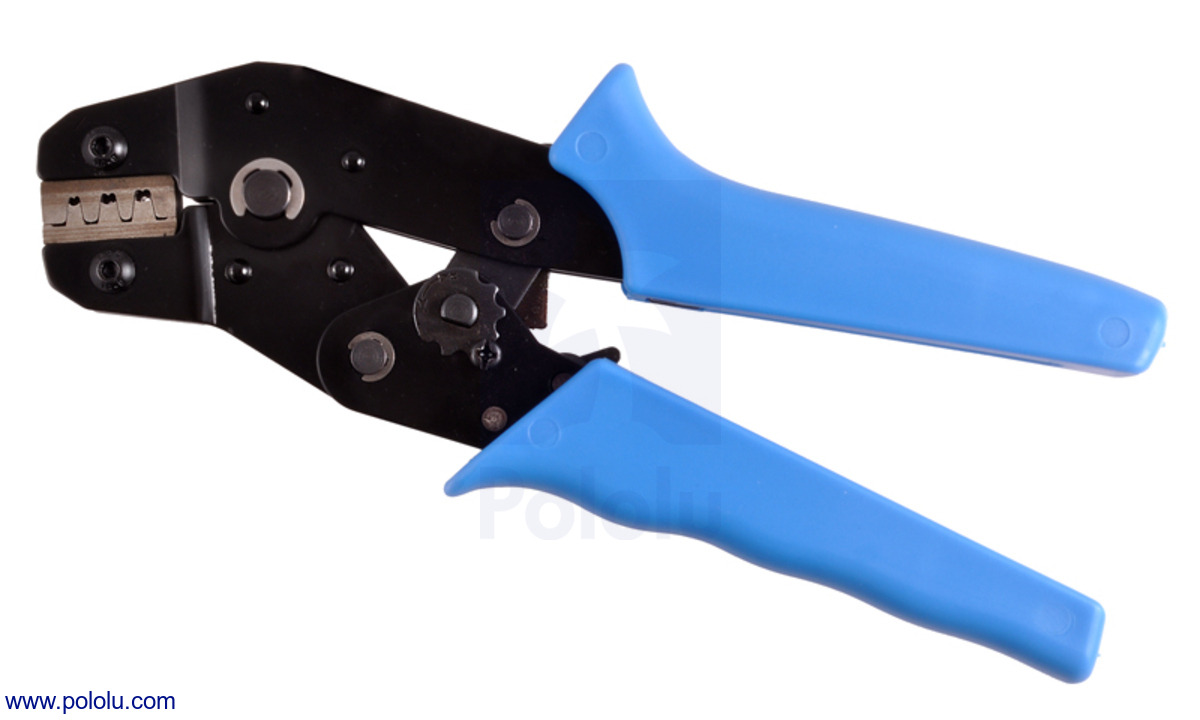
Image Source: a.pololu-files.com
Deciphering the Crimp Tool: What It Does and Why It Matters
A crimp tool is vital in electrical and electronics work. It helps make strong, reliable connections. These connections are often better than soldered joints, especially in harsh environments. Soldering can make wires brittle or fail due to vibration. Crimping avoids these issues.
The basic job of a crimp tool is simple. It squeezes a metal terminal onto a conductor (the wire). This squeezing action permanently deforms both the terminal and the wire. This forces the metal parts to stick tightly together. This tight fit lowers electrical resistance. It also prevents the wire from pulling out easily.
The Science Behind the Squeeze: How Crimping Works
Crimping is a cold-welding process on a small scale. When you squeeze hard enough, the metal surfaces touch very closely. This close contact removes air gaps. Removing air gaps prevents oxidation. Oxidation can cause a connection to fail over time.
A good crimp must meet specific standards. These standards ensure the connection handles the required current and mechanical stress. Different terminals need different amounts of force and different die shapes to achieve a perfect crimp. This is why you need the right electrical connector tool for the job.
Types of Crimp Tools and Their Primary Functions
Not all crimp tools are the same. They are specialized based on the type of connection being made. Knowing the differences helps you choose the correct tool for your task.
Standard Hand Crimpers
These are the most common tools. They are often manual and operate like heavy-duty pliers. They are great for small to medium-sized jobs around the house or in small repair shops.
- Features: They usually have multiple jaws or dies built into the head.
- Use Case: Ideal for quick, low-volume connections.
Electrical Crimper: Focusing on Terminals
The electrical crimper is a broad category. It covers tools designed for electrical wiring applications. These tools focus on joining wires to various terminals.
Insulated Terminal Crimping Tools
When you work with wires that have colored plastic coatings (insulation), you need a specific tool. Insulated terminal crimping requires a tool that crimps the metal barrel securely and compresses the plastic insulation sleeve over the wire. This dual action prevents strain on the wire where it enters the terminal.
Non-Insulated Terminal Crimper
For bare metal terminals, you use a non-insulated terminal crimper. These tools focus only on the metal-to-metal connection. They must provide extremely high pressure to ensure a solid, low-resistance bond between the wire strands and the terminal barrel.
Ratcheting Crimpers: Ensuring Quality
A ratcheting crimper is a higher-quality manual tool. These tools have a mechanism that locks the jaws closed once they start squeezing. They will not open until the full crimping cycle is complete. This guarantees that the required pressure is always applied, regardless of how hard the user squeezes initially. They are essential for critical applications where connection failure is not an option.
Specialized Crimping Tools
Beyond standard electrical work, other tasks require very specific crimping tools.
Compression Tool for Coaxial Cable
For TV, internet, and other video/data applications, you need a coax crimper. These tools work differently than standard terminal crimping tool designs. They are designed for F-type, BNC, or RCA connectors that fit onto coaxial cables.
A compression tool pushes the connector firmly onto the cable jacket and dielectric material. This creates a very tight seal against moisture ingress, which is crucial for high-frequency signals.
Heavy-Duty Cable Termination Tool
For very large wires, such as those found in vehicle battery systems or main power feeds, general hand tools will fail. A heavy-duty cable termination tool is necessary. These often use hydraulics or long handles to generate immense force. They are designed for large lugs and thick copper cables. This specialized tool ensures the heavy conductor makes good contact.
The Importance of Wire Preparation: More Than Just Crimping
A great crimp tool cannot fix poor preparation. Before you reach for your crimper, you must prepare the wire correctly. This is where a good wire stripper comes into play.
Using the Wire Stripper Effectively
The wire stripper removes the plastic or rubber insulation without nicking the underlying metal conductors. Nicks weaken the wire, leading to breakage under vibration or stress.
Steps for Proper Stripping:
- Select the correct gauge setting on the wire stripper.
- Align the blade over the insulation, not the wire.
- Pull the insulation off cleanly. Leave the correct length of bare wire exposed—just enough to fit fully inside the terminal barrel. Too little, and the wire won’t reach; too much, and bare strands might touch other terminals, causing a short circuit.
Preparing the Terminal
The terminal itself must also be ready. For open-barrel or heat-shrink terminals, ensure they are clean and free of burrs or oxidation before insertion.
Selecting the Right Crimp Tool for Your Project
Choosing the wrong tool is a common mistake that leads to weak, unreliable connections. Here is a guide to matching the tool to the terminal.
Crimping Die Profiles
The “die” is the part of the tool that actually contacts the terminal. Different terminals require different shapes to ensure a proper cold weld.
| Die Type | Terminal Type | Resulting Crimp Shape | Best For |
|---|---|---|---|
| Hexagonal | Large lugs, heavy-gauge wire | Six-sided, strong mechanical lock | Primary power connections |
| Square/Rectangular | Most insulated terminals | High pressure over a flat area | Automotive, standard wiring |
| W-Shape | Heat shrink/sealed terminals | Compresses insulation and metal simultaneously | Moisture-prone environments |
| Insulated (Color-Coded) | Terminals with plastic sleeves | Crimp barrel first, then compress plastic | General low-voltage DC circuits |
Gauge Compatibility
Every crimp tool is rated for a specific wire gauge range (e.g., 22-18 AWG). Using a tool rated for thin wire on thick wire will result in an incomplete crimp. The tool won’t have enough mechanical advantage. Conversely, using a heavy-duty tool on tiny wires can crush the wire strands, leading to a poor electrical path. Always check the AWG markings on both the terminal and the tool.
Comparing Crimp Tools with Soldering
Why choose crimping over soldering? Both methods create electrical connections, but their strengths lie in different areas.
Advantages of Crimping
- Mechanical Strength: A properly crimped joint can often withstand more vibration and pull-out force than a soldered joint.
- No Heat Risk: Crimping is a cold process. You avoid overheating sensitive components or melting surrounding insulation.
- Speed and Consistency: Once the correct tool is set up, crimping is usually faster than soldering, especially for large batches of connections. The ratcheting crimper guarantees consistency.
- Corrosion Resistance: A tight crimp prevents air and moisture from reaching the wire strands, reducing the chance of oxidation and failure in humid or corrosive environments.
When Soldering Might Be Better
Soldering is superior when:
- You need extremely low electrical resistance for high-frequency signals (though specialized RF crimps exist).
- The connection needs to be permanent and non-serviceable (though modern terminals are often designed to be replaced).
- The wire is extremely fine (like magnet wire), which might be crushed by a crimping tool.
Applications of the Crimp Tool Across Industries
The cable termination tool is a universal item in many technical fields.
Automotive Repair and Wiring Harnesses
In vehicles, vibration is constant. A weak connection means trouble starting the car or lights flickering. Technicians rely heavily on insulated terminal crimping to repair broken wires or add accessories. The durability of the crimp ensures the connection lasts the life of the vehicle.
Aerospace and Marine Environments
These fields demand the highest reliability. Moisture, temperature swings, and intense vibration are common. Here, high-quality, specialized crimping tools are used to secure connectors onto complex harnesses. The terminal must resist vibration without loosening.
Networking and Telecommunications
While data connectors like RJ45 (Ethernet) use specialized modular crimpers, the general principle applies. Ensuring every pin makes solid contact is vital for data integrity. Similarly, installers use the coax crimper to ensure signal quality on cable runs.
Home DIY and Appliance Repair
For basic home projects—like fixing a broken appliance cord or adding an external light—a simple hand electrical crimper paired with the right wire stripper saves time and ensures safety.
Maintenance and Care of Your Crimping Tools
Even the best electrical connector tool will fail if neglected. Proper maintenance ensures consistent, quality crimps for years.
Cleaning the Jaws
Metal shavings, dust, and grime accumulate in the die cavities. Wipe down the jaws regularly with a clean, dry cloth. If heavy residue builds up, use a very fine brush or specialized cleaner designed for electrical contacts.
Lubrication
Most quality crimping tools require minimal lubrication. If the mechanism feels stiff, apply a small amount of light machine oil (like 3-in-1 oil) to the pivot points only. Crucially, never lubricate the jaws or dies. Oil on the crimping surfaces will prevent the tool from applying full force, leading to a loose crimp.
Checking Die Alignment
If you use a complex ratcheting crimper, occasionally check that the dies align perfectly when closed. If they close slightly offset, one side will bear too much pressure, leading to an uneven crimp and potential failure. If alignment is off, the tool may need professional servicing.
Advanced Topics in Crimping Technology
Modern electrical termination is moving toward standardized quality across the board, especially for high-reliability systems.
Heat Shrink Terminals and Sealing
Many modern terminals come with adhesive-lined heat shrink tubing already integrated around the barrel. When this is crimped using the correct W-shaped die, the tool does two jobs at once:
- It forms the metal crimp.
- It heats (or compresses, depending on the tool design) the adhesive, sealing the insulation against moisture and environmental ingress.
Hydraulic vs. Manual Crimpers
For heavy-gauge conductors (e.g., 0 AWG and larger), manual force is inadequate.
- Manual Crimpers: Rely on long handles and gear ratios. They are portable but require significant physical effort for large terminals.
- Hydraulic Crimpers: Use a pump mechanism to generate tons of force with relative ease. They are bulkier and heavier but necessary for industrial-grade cable termination tool work on thick copper bus bars or large power feeds.
Ferrule Crimping: A Specialized Subset
Ferrules are small metal tubes crimped onto the end of stranded wire before inserting that wire into screw terminals or terminal blocks. This prevents stray strands from causing shorts. Ferrule crimping requires specific die shapes (often square or hexagonal) designed to compress the ferrule around the strands without cutting them. This technique falls under the broader umbrella of the terminal crimping tool.
Grasping the Relationship Between Wire Gauge and Tool Use
Wire gauge is the fundamental measure in electrical work. It directly dictates which tool and which die size you must use.
| Wire Gauge (AWG) | Typical Application | Recommended Tool Type |
|---|---|---|
| 28 – 22 | Small electronics, low voltage signal | Precision hand crimper |
| 20 – 14 | Automotive lighting, standard household wiring | Standard electrical crimper (often with insulation section) |
| 12 – 8 | Heavier circuits, sub-panels | Heavy-duty ratcheting crimper |
| 6 – 0 | Main power feeds, battery connections | Hydraulic compression tool or large manual crimper |
Always confirm the gauge stamped on the wire insulation matches the gauge rating on the terminal you are using. This synergy ensures the best possible electrical path.
FAQ Section
Q1: Can I use a regular pair of pliers instead of a crimp tool?
No, you should not. Pliers do not apply the necessary, precise, distributed pressure required for a gas-tight crimp. Using pliers will result in a weak, high-resistance connection that is prone to vibrating loose or overheating. Always use a dedicated electrical connector tool.
Q2: How do I know if my crimp is good?
A good crimp looks uniform, without excess flashing (metal squeezing out the sides). If using an insulated terminal crimping tool, the plastic sleeve should be firmly compressed around the wire insulation, but the metal barrel should not be severely deformed or cracked. For critical applications, you can gently tug on the wire; it should not move at all.
Q3: Do I need a special wire stripper if I use a crimper?
Yes, highly recommended. While you can use a knife, it risks nicking the wire strands. A dedicated wire stripper is designed to remove insulation without damaging the conductor, which is vital for connection strength and longevity.
Q4: What is the difference between a crimper and a swaging tool?
While often used interchangeably in some contexts, a crimper generally refers to tools used for electrical terminals or data connectors (like the coax crimper). Swaging often refers to tools used in plumbing or metal fabrication to create a sleeve or flared connection, usually involving thicker materials than standard electrical terminals. For electrical work, stick to the term crimp tool.
Q5: Are ratcheting crimper tools worth the extra cost?
Yes, for anyone doing regular electrical work. They eliminate user error by ensuring the full required pressure is applied every time. They provide a level of consistency that simple pliers-style crimpers cannot match, making them an excellent investment for reliability.