
A pull saw is a type of hand saw that cuts material when the user pulls the blade toward their body, unlike traditional saws that cut on the push stroke. This fundamental difference in action provides several major benefits, making the pull saw a favorite tool for many woodworkers and DIY enthusiasts.
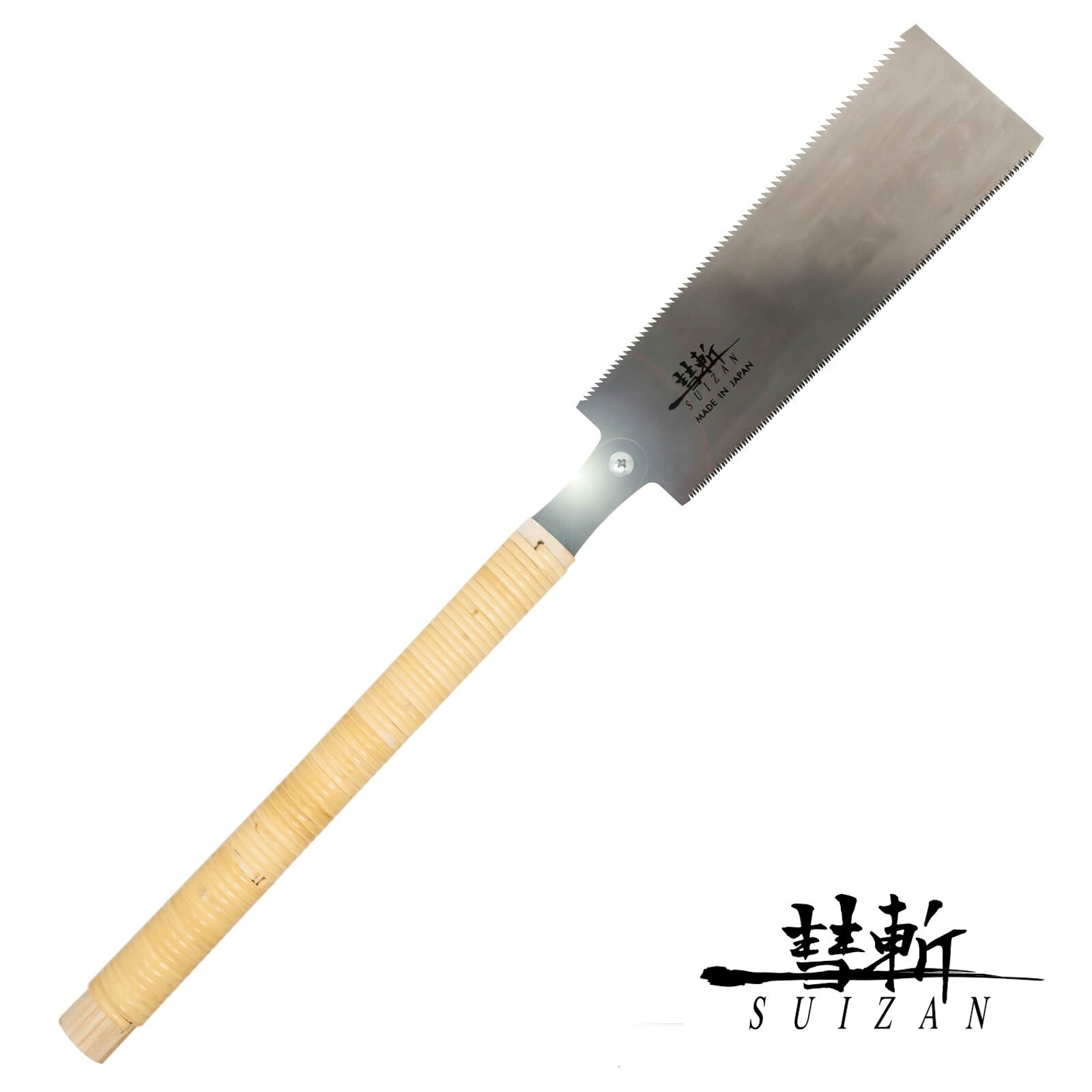
Image Source: www.suizan.net
The Core Concept: Pull vs. Push
The most important thing to know about a pull saw is how it works. Most saws you see in the West are push saw tools. They slice wood when you shove them away from you. A pull saw vs push saw comparison shows a big difference in how the blade acts.
Why Pulling Cuts Better
When you pull a saw, the blade goes under tension. Think of stretching a rubber band tight. A tight line is strong and straight.
- Thinner Kerf: Because the blade is pulled tight, it can be made much thinner. A thin blade removes less wood (a smaller kerf). This means less effort is needed to saw. It also means a cleaner, faster cut.
- Better Control: Pulling requires less forward force. Your muscles naturally pull better than they push. This gives you more control over the cut, especially for fine work.
- Less Binding: Thin blades under tension resist bending or binding in the wood. Push saws often need thicker blades to stay stiff, which creates more waste and friction.
The Western Tradition
For a long time, Western woodworking favored the push saw. Tools like the common panel saw or larger frame saws were designed around this pushing action. However, this is changing as more people discover the ease of the pull saw style.
Exploring the World of Pull Saws
Pull saws come in many shapes and sizes. They are not just one tool. They cover everything from rough lumber breakdown to delicate joinery.
Japanese Pull Saws: Masters of Precision
The Japanese pull saw, often called a nokogiri, is famous worldwide. These saws are the pinnacle of pull saw design. They focus intensely on thin blades and extreme precision.
Key Features of Japanese Saws
Japanese saws often have very thin, flexible blades. They are built to cut wood fibers cleanly, minimizing tear-out.
- Dozuki: This style often has a spine (a stiffening rib) along the top edge. This helps keep the thin blade straight during the pull stroke. They are excellent for precise joinery cuts.
- Kataba: These saws have a full-length blade with no spine. They are typically used for general cutting or when cutting completely through a piece of stock.
- Ryoba Saw: A ryoba saw is a fantastic example of versatility. This saw has teeth on both sides of the blade. One side usually has teeth set up for rip cuts (cutting with the grain), and the other side has teeth for crosscut cuts (cutting across the grain). This dual functionality makes the ryoba saw a shop essential.
Western Pull Saws: The Evolution
While traditional Western saws pushed, modern makers have adapted the pull saw concept to Western tool designs. These often have thicker handles and blades that might feel more familiar to users accustomed to Western tools. They still operate on the pull principle, offering those benefits of control and thinness, but often in larger formats for dimensioning lumber.
Pull Saw Blade Types and Teeth Configurations
The teeth on the blade determine what the saw does best. Just like with push saws, the arrangement and shape of the teeth matter greatly. This is where pull saw blade types come into play.
Rip vs. Crosscut
This distinction is crucial for any saw, pull or push.
- Crosscut Teeth: These teeth act like tiny chisels. They sever the wood fibers perpendicular to the grain. They leave a very clean end surface. A crosscut pull saw excels at this.
- Rip Teeth: These teeth act like little knives, slicing parallel to the grain, removing wood like a plane. They are better for cutting long boards along their length.
Tooth Pitch and Set
The number of teeth per inch (TPI) affects speed and finish.
- Coarse Teeth (Low TPI): These saws cut fast but leave a rougher surface. Good for rough lumber removal.
- Fine Teeth (High TPI): A fine tooth pull saw cuts slowly but leaves an extremely smooth finish. These are favored for fine woodworking and joinery where little cleanup is desired.
| Tooth Configuration | Primary Use | Typical TPI Range | Finish Quality |
|---|---|---|---|
| Rip Cut | Cutting with the grain | 6 – 10 | Rougher, faster removal |
| Crosscut | Cutting across the grain | 12 – 20+ | Cleaner, slower cut |
| Combination | General purpose | Varies | Balanced performance |
Specialized Pull Saws for Specific Tasks
Not all pull saws are meant for cutting large boards. Some are designed for very specialized, small-scale work.
The Flush Cut Saw
A flush cut saw is a specialized pull saw. Its main job is to cut off proud material—like dowels, pegs, or excess trim—right at the surface level without scratching the surrounding material.
Flush cut blades are unique:
- No Set: They usually have no “set” (the slight bend of teeth that widens the kerf). This allows the blade to remain perfectly flat against the surface.
- Single Edge: They typically only have teeth on one side, optimized for either rip or crosscut, depending on the intended use.
- Flexibility: They are often very flexible to navigate tight spaces.
Pull Saws in Joinery: The Back Saw Connection
When discussing fine hand-tool joinery, we often talk about back saw tools. Traditional Western back saws are push saws, characterized by a stiff metal strip (the back) reinforcing the top edge. This strip keeps the blade perfectly straight for precise cuts like tenons and dovetails.
While a dovetail saw is a specific type of short-backed push saw, modern woodworkers sometimes use very thin, spined Japanese pull saw models (like a dozuki) for the same joinery tasks. The pull action, combined with the thin blade, often produces less tear-out in hardwoods during dovetail cutting than their traditional push counterparts. The key difference remains the direction of the cut force.
The Mechanics: How to Use a Pull Saw Effectively
Using a pull saw feels different than using a push saw. It requires a slight shift in technique.
Grip and Stance
Hold the handle firmly but not too tightly. A death grip prevents the blade from moving freely. Keep your arm relaxed.
For fine work, many Japanese handles are designed for two hands or a specific western-style grip to maintain control.
The Stroke
- Start the Cut: Place the toe of the blade on the waste side of your layout line. Use a light sawing motion, pulling just a few strokes to establish a shallow groove (a kerf). This groove guides the rest of the cut.
- The Pull: Focus your energy on the pull stroke. Use long, smooth strokes that use the full length of the blade.
- Relax on the Push: The return (push) stroke should be light—just enough to move the saw into position for the next pull. Do not press down or force the saw forward. Let the established kerf guide the blade.
Maintaining the Line
Because the blades are thin, they are eager to follow the path of least resistance.
- If cutting across the grain, use your thumb or finger gently on the side of the waste wood to keep the blade tracking straight on the line.
- For thick stock, use slower, deliberate pulls rather than fast, jerky motions.
Maintenance and Sharpening
Pull saw blades, especially the very thin Japanese types, require different care than thick Western push saws.
Rust Prevention
Japanese saws are often made from high-carbon steel. This steel takes a razor edge but rusts easily if neglected. Always wipe the blade dry immediately after use. Storing them in a dry place is essential. Some users apply a very light coat of camellia oil or mineral oil for long-term storage.
Sharpening Your Pull Saw
Sharpening is a skill, but pull saws are often easier to sharpen than push saws because the teeth face you during the filing process.
- Access: You file the teeth on the face that cuts—which is the side facing you during the pull stroke.
- The File: You use a small, specialized triangular file.
- Angle: You must maintain the correct rake angle (the angle of the tooth face) and the bevel angle (the angle of the cutting edge). Consult diagrams specific to your saw type (rip or crosscut).
- Consistency: The key to a sharp saw is consistency. File every tooth the exact same way. If you use a ryoba saw, you must sharpen each side independently using the correct angles for that specific side.
If the blade is severely damaged or very old, replacing the blade, especially on modular Japanese saws, is often simpler than extensive resharpening for beginners.
Comparing Pull Saws and Push Saws: Fathoming the Differences
The debate between pull saw vs push saw often comes down to user preference, tradition, and the specific task at hand. However, the physics provides clear advantages for the pull design in many scenarios.
Blade Thickness and Kerf
| Saw Type | Typical Blade Thickness (Approx.) | Kerf Size |
|---|---|---|
| High-Quality Pull Saw | 0.010″ – 0.018″ | Very narrow |
| Standard Western Push Saw | 0.025″ – 0.035″ | Wider |
A thinner blade means less resistance. Less resistance means you use less energy, which translates to a more enjoyable and controlled cutting experience.
Fatigue and Control
When pushing a saw, you use shoulder and arm muscles that are often less precise. When pulling, you engage your back and biceps, muscles often associated with more controlled, steady movements. This control is why artisans prefer a fine tooth pull saw for the final, delicate cuts.
When Might You Still Prefer a Push Saw?
- Aggressive Stock Removal: If you need to remove huge amounts of wood quickly and don’t care about the finish (like ripping a thick 4×4), a stiff, aggressive Western push saw can sometimes clear material faster due to its thicker, more robust gullets (the space between teeth).
- Stiff Backing Required: For extremely thick timbers where blade wobble is a serious concern, the reinforcing spine of a Western back saw (or a spined pull saw) is necessary, though modern tensioning techniques on Japanese saws often negate this need.
Applications Across Woodworking Disciplines
Pull saws are versatile tools that have found homes in diverse areas of carpentry.
Fine Furniture Making
In making high-end furniture, precision is everything. The thin kerf and smooth action of a Japanese pull saw make them ideal for:
- Cutting dovetails and tenons.
- Trimming small components to exact length.
- Fitting joints that must be perfectly tight.
Remodeling and Installation
For trim work, baseboards, and molding, a pull saw offers control that is unmatched. Installing flooring often benefits from a compact pull saw used for small, tricky cuts near door jambs. A compact model can easily substitute for a small dovetail saw in a pinch for trimming small projections.
Pruning and Gardening
Believe it or not, some of the most common pull saws sold are designed for gardening and tree work. These saws typically have very aggressive, large teeth meant to tear through green wood quickly, relying on the pull motion to clear sap and debris from the large gullets.
Choosing the Right Pull Saw for Your Needs
Selecting the correct tool depends entirely on what you plan to cut most often.
Assess Your Primary Task
Are you focusing on rough cuts or detailed work?
- General Purpose: Look at a high-quality ryoba saw. Its dual-sided nature covers rip and crosscut needs adequately for general DIY or light carpentry.
- Fine Joinery: Opt for a dedicated, single-edged saw with a high TPI count, perhaps a specialized Japanese style like a dozuki, which acts similarly to a Western dovetail saw in function, but uses the pull motion.
- Trimming/Flush Work: You absolutely need a flush cut saw for this specialized task.
Handle Considerations
Japanese saws often feature handles aligned along the axis of the blade (pistol grip or Western D-handle style). Western-style pull saws often mimic the cross-grip handle found on standard handsaws. Test which grip feels most natural for your wrist and arm mechanics. Remember, if the handle is uncomfortable, you will fight the saw, losing the advantage of the pull action.
Summarizing the Advantages of the Pull Saw Design
The move toward the pull saw methodology is backed by sound mechanical principles. It’s not just a trend; it’s an efficiency gain.
- Superior Control: The cutting edge is always under tension.
- Less Effort: Thinner blades mean less wood removal per stroke.
- Cleaner Cuts: Tension helps keep the blade straight, reducing blade deflection and tear-out.
- Blade Versatility: Allows for extremely thin, hardened blades, particularly evident in Japanese pull saw designs.
By embracing the pull saw, woodworkers gain a tool that demands precision but rewards effort with speed and a superior finish across many applications, from rough framing to the finest joinery.
Frequently Asked Questions (FAQ) About Pull Saws
Are pull saws better than push saws?
Not universally, but they are often better for fine detail work. Pull saws excel because the thin blade is under tension, allowing for very fine teeth and less required effort. Push saws are generally better for aggressive, fast stock removal in thicker material where a stiff, thick blade is required.
How do I know which side of my ryoba saw to use?
The ryoba saw has two sides. Look closely at the teeth. The side with teeth shaped like little hooks or chisels (where the cutting edge leads the bevel) is usually the crosscut side. The side with teeth shaped more like tiny knives (where the cutting edge is the front tip) is the rip cut side.
Can I use a pull saw for cutting metal?
Most standard woodworking pull saws are designed only for wood. If you need to cut metal, you require a specialized hacksaw or a band saw designed for metal. Do not use a wood saw on metal; you will ruin the teeth quickly.
What is the purpose of the stiff spine on some pull saws?
That stiff metal strip on the back edge of certain saws (like the dozuki) is called the spine or back. It stiffens the otherwise very thin blade. This prevents the thin blade from flexing too much during the pull stroke, ensuring accurate, straight cuts, similar to how a dovetail saw uses its brass back.
Is a flush cut saw the same as a dovetail saw?
No. A dovetail saw is a type of back saw (a push saw) used specifically for cutting the precise angles and cheeks of dovetail joints. A flush cut saw is a specialized pull saw designed to trim material right against a surface without scratching it, relying on its extremely thin, unset teeth.