
The best way to load golf clubs in a cart bag is to arrange them according to length and club type, placing longer clubs (drivers, woods) at the top and shorter clubs (wedges, putter) at the bottom, ensuring each club has its own space to prevent jamming and tangling.
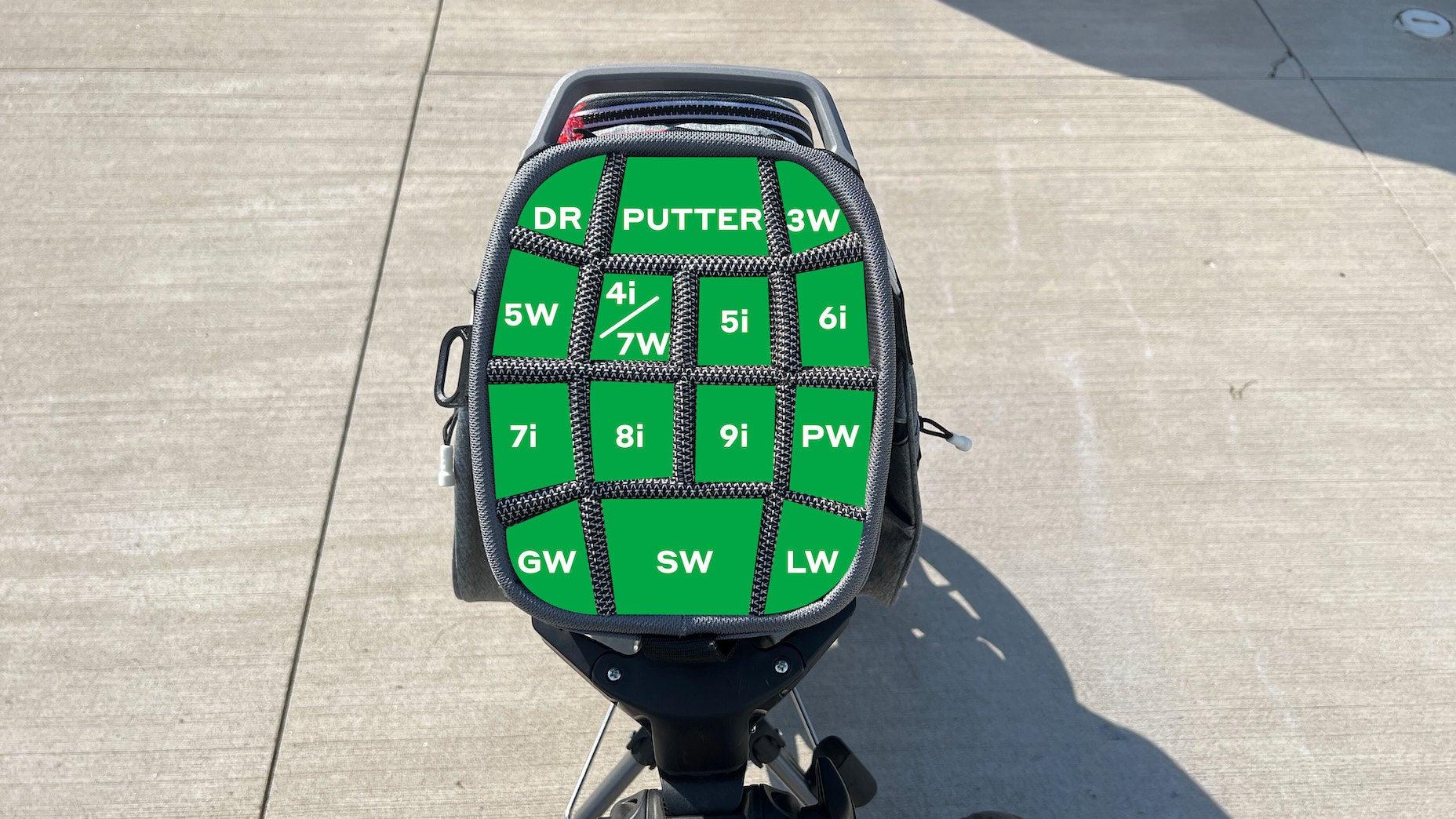
Image Source: golf.com
Why Good Golf Bag Organization Matters
Putting your clubs in order is not just about looks. It saves you time. It also protects your expensive clubs. When you play golf, you need clubs fast. A messy bag slows you down. Good golf bag organization tips make your game smoother. They help you focus on your swing, not your bag.
Protecting Your Investment
Clubs hit each other when you move. This causes dings and scratches. This is common when clubs slide around. Proper cart bag club arrangement stops this. When clubs stay put, they last longer. This keeps your gear looking good. It also keeps their value up.
Speeding Up Play
No one likes slow play. Fumbling for a wedge wastes precious minutes. When clubs are in a set place, you grab and go. This quick access is key to keeping pace. Good organization means less stress on the course. It leads to a better flow for your entire round.
Grasping Cart Bag Divider Systems
Cart bags come with different tops. These tops have dividers. These dividers are the key to good organization. Knowing what you have helps you plan where clubs go.
Full-Length Dividers vs. Top Dividers
Not all dividers are the same. This is vital for golf bag dividers explained.
Full-Length Dividers
These dividers run from the top all the way to the bottom of the bag.
- Pros: They keep clubs totally separate. This stops shafts from rubbing hard against each other. This is the best way to stop club tangling in cart bag sections.
- Cons: They can sometimes make the bag bulky. They take up more internal space.
Top Dividers (Sectional Dividers)
These dividers only separate the top section. The bottom half might be one big open space.
- Pros: They allow for more open space at the bottom. This is good for putting accessories.
- Cons: Clubs can still cross and clash in the lower section. This is where tangling often happens.
How Many Dividers Are Best?
Most modern cart bags have 14-way tops. This means there is a spot for every single club. Having 14 slots is ideal for a full set. If your bag has fewer dividers, you must group clubs smartly.
| Divider Style | Benefit | Best For |
|---|---|---|
| 14-Way Full Length | Maximum separation, no tangling | Full sets of clubs |
| 4-Way or 5-Way Top | Larger sections for grouping | Players with fewer than 14 clubs |
| Open Bottom Cart Bag | Easy access to larger items | Bags used heavily for carts |
Step-by-Step Guide to Cart Bag Club Arrangement
Follow these steps for a simple and effective golf bag layout for round of golf. This method focuses on usability and access.
Phase 1: Empty and Clean Your Bag
Before putting anything back, clear everything out. Take out all the clubs. Take out all balls, tees, towels, and junk.
- Inspect the Bag: Check the zippers and pockets. Make sure the dividers are clean. Lint and dirt can gather in the openings.
- Wipe Down: Use a dry cloth to wipe the inside of the dividers. This removes grit that can scratch shafts.
Phase 2: Sorting Your Clubs
Group your clubs logically. This is crucial for organizing golf clubs for easy access.
- Drivers and Woods: Gather your longest clubs. This usually means the Driver, 3-Wood, and maybe a 5-Wood.
- Hybrids and Long Irons: Next, gather your hybrids and maybe a 3 or 4 iron if you carry them.
- Mid and Short Irons: Group your 5, 6, 7, 8, and 9 irons together.
- Wedges: Keep all your wedges (Pitching, Gap, Sand, Lob) in one spot.
- Putter: Set your putter aside. It often has its own special spot.
Phase 3: Loading the Cart Bag
The general rule is long clubs on top, short clubs on the bottom. This prevents long shafts from bending over shorter ones.
Placing Woods and Drivers (The Top Section)
These are the longest clubs. They need the highest spot so they don’t flop over other clubs.
- Use the top-most, largest sections for your Driver and fairway woods. If you have a dedicated putter well, use the spot next to it for the Driver.
- If you have a 14-way top, assign one slot for the Driver, one for the 3-wood, and one for the 5-wood. Keep them separated.
Placing Irons (The Middle Sections)
This is where most of your clubs will go. If you have 14 dividers, assign one slot per iron.
- Tip for Consistent Loading: Load irons in descending order (e.g., 3-iron down to 9-iron) going from left to right, or front to back, following the bag’s layout. This creates a visual map. If you pull your 7-iron, you know where the 6 and 8 irons are located. This is a top golf bag organization tip.
Handling Hybrids
Hybrids can be tricky due to their length. Place them just below the fairway woods, usually interspersed between the long irons. If your bag has a dedicated hybrid section, use it.
Placing Wedges (The Bottom Section)
Wedges are the shortest clubs. They should be at the bottom or in the lowest dedicated slots.
- Keep them together. If you use the bottom pocket, ensure they don’t rattle against the putter or bag feet when moving.
The Putter Slot Strategy
Most modern cart bags feature a large, often rubber-lined, putter well. This is critical for preventing club tangling in cart bag components.
- External Well: If the putter goes into an external tube on the side, use it! This keeps the grip away from the rest of your clubs.
- Internal Well: If the putter goes into the top with the other clubs, place it in the designated, often oversized, central or side slot. Ensure the grip is fully seated. The putter should never rest on top of your irons’ ferrules (the plastic ring where the shaft meets the club head).
Phase 4: Maximizing Space and Accessibility
Once the clubs are in, it’s time to look at maximizing space in golf cart bag for gear.
The “Odd One Out” Strategy
If you have 13 clubs plus a putter, you have one extra slot. Where should it go?
- Use the extra slot for your most-used utility club, like a specific gap wedge or a driving iron. Putting it next to its “family” makes sense.
Managing Grips and Tangling
If you have standard dividers, grips can still hook onto each other.
- Rotate Grips: When inserting clubs, slightly rotate the grips so they don’t sit flush against each other. This small angle creates space.
- Use Headcovers Wisely: Keep headcovers on your woods and hybrids. While some people dislike taking them off for every shot, they do add a buffer between the heads, further preventing club tangling in cart bag components. Only remove them when necessary for quick shots.
Organizing Pockets for Efficiency
A cart bag usually has many pockets. Using them correctly is essential for managing golf bag clutter. You should store things where you need them during the round.
The Ball Pocket (Front Bottom)
This pocket is large and easy to reach.
- Store all your golf balls here. Never put anything else bulky in here. Keep extra sleeves here.
The Cooler Pocket (Side/Insulated)
This pocket is usually insulated to keep drinks cool.
- Use for Hydration: Keep water bottles or sports drinks here. Do not overstuff it.
The Apparel Pocket (Large Side Pocket)
This is the biggest pocket, usually running the length of the bag.
- Rain Gear: Your light rain jacket or pull-over goes here.
- Extra Towel: A dedicated towel for cleaning clubs.
- Change of Glove: A spare golf glove.
The Accessory Pockets (Small Top Pockets)
These are vital for small items you need often.
- Ball Markers and Divot Tools: Keep these right near the top. They should be the easiest things to grab.
- Sharpie/Pencil: For marking balls or scorecards.
- Yardage Book: If you use a physical book, place it here if it fits well.
- Tees: Keep a small, manageable amount of tees here. Too many cause rattling.
The Personal Pocket (Velvet Lined)
Often found near the handle, this is for valuables.
- Keys
- Wallet or phone (Note: Be cautious using this pocket for phones on very bumpy rides; use a secure zippered pocket).
Effective Pocket Layout Table
| Pocket Location | Recommended Items | Access Frequency |
|---|---|---|
| Top Front/Ball Pocket | Golf Balls, Ball Markers | Very High |
| Top Side Accessory Pockets | Tees, Sharpie, Divot Tool | High |
| Large Side (Apparel) | Rain gear, extra glove | Medium |
| Insulated Pocket | Water bottles, small snacks | Medium |
| Handle Area Pockets | Scorecard, Rangefinder | High |
Advanced Golf Bag Organization Tips for Cart Use
Since you are using a cart, you have the luxury of not carrying the weight. This changes how you might organize things compared to a stand bag.
Securing the Bag on the Cart
A well-organized bag is easier to secure. Loose clubs or bulging pockets can shift.
- Cart Strap Pass-Through: Most good cart bags have a designated strap channel. Thread the cart strap through this channel, not over the pocket area. This keeps the bag snug against the cart without compressing the pockets you need to access.
Rangefinders and GPS Devices
These tools need easy access.
- Invest in a magnetic clip or a dedicated tether for your rangefinder. Attach the tether to a D-ring or zipper pull on the bag’s upper structure. This lets you use it without setting it down.
Managing Extra Gear
It is tempting to fill every space. Resist this urge to avoid managing golf bag clutter.
- The “One In, One Out” Rule: If you buy a new glove, put the old one in your locker or home bag first. Keep only what you need for the current round.
- Limit Bulk: Do not store 12 balls if you only play 9 holes. Carry two sleeves, not a whole box.
Preventing Shaft Damage: The Cart Factor
Shaft damage is a major concern, especially with graphite shafts. The constant vibration and jostling on a golf cart can cause issues if clubs are packed too tightly.
The Role of Ferrules
Ferrules are the rings where the shaft meets the clubhead. When clubs slide down, ferrules bang into each other.
- If you notice excessive wear on your ferrules, your cart bag club arrangement needs adjustment.
- Ensure that clubs are sitting fully down in their slots. If the top divider is shallow, it may not prevent shafts from rising and falling unevenly.
Dealing with Wedges and Irons
Irons are often the biggest culprits for tangling.
- If you have full-length dividers, the shafts should never touch each other.
- If you have sectional dividers, make sure your wedges (the shortest irons) are in the lowest sections possible. If they are mixed with mid-irons, they will rattle up against them during transport.
Deciphering Cart Bag Storage Solutions for Accessories
Beyond clubs, the way you store smaller items impacts your round flow.
Towel Placement
A damp towel should not sit in a closed pocket. It needs air.
- Use the dedicated towel ring or clip provided on the bag. Hang it outside the main body. If you must store it inside, place it in the large apparel pocket briefly, but remove it after the round to dry.
Glove Storage
Never leave your glove crumpled in a pocket.
- Use the glove holder if your bag has one, or place it neatly inside the cuff of a non-used club (like a utility iron you rarely pull) or flat in a top accessory pocket. A flat glove dries better and is easier to find.
Rain Hood Management
The rain hood is essential but bulky.
- When the weather is good, fold the rain hood neatly and store it in the large apparel pocket. Do not try to stuff it into a small pocket. It will distort other items.
Maintaining Your Organized Cart Bag
Organization is not a one-time event. It requires routine care.
Post-Round Routine
Make this part of how you finish every round.
- Club Count: As you pull clubs out for cleaning, quickly count them. Did you leave a wedge on the course?
- Pocket Sweep: Empty your accessory pockets of old tees, broken ball markers, and trash.
- Wipe Down: Give the grips a quick wipe if they are wet or muddy.
Monthly Deep Clean
Once a month, especially during heavy play seasons, perform a full reset.
- Take every club out.
- Check the dividers for tears or rips.
- Inspect the bottom of the bag for trapped debris. This ensures your golf bag layout for round of golf stays pristine.
Frequently Asked Questions (FAQ)
Q: Should I use headcovers for my irons in a cart bag?
A: Generally, no, not for every iron. Most golfers only cover their woods and hybrids. Covering all irons can slow down play considerably. However, if you have very expensive forged irons or cavity backs that scratch easily, you might consider putting soft knit headcovers on the 3-iron through 5-iron, as these are the longest irons and most likely to bump into woods. For wedges and short irons, it is usually unnecessary.
Q: My cart bag has an integrated cooler pocket. Can I store my rangefinder there?
A: While you can physically place a rangefinder in the cooler pocket, it is not recommended. Cooler pockets are often deep, and the rangefinder will sink to the bottom. This defeats the purpose of quick access. Use a dedicated top accessory pocket or a clip system attached to the bag’s frame instead.
Q: How can I stop my driver from rattling against my 3-wood?
A: This usually happens when the bag has fewer than 14 slots, or if the top mold is not rigid. The best solution is to ensure both clubs are fully seated in their respective slots. If you have a 14-way top, make sure the headcovers are on both woods. Headcovers provide a necessary buffer, effectively preventing club tangling in cart bag components like woods.
Q: What if my bag only has 4 large dividers, but I have 14 clubs?
A: This requires careful grouping, focusing on function and length.
1. Slot 1 (Top Left): Driver and 3-Wood.
2. Slot 2 (Top Right): Fairway Woods and Long Hybrids.
3. Slot 3 (Bottom Left): Irons (3-iron down to 7-iron).
4. Slot 4 (Bottom Right): Short Irons and Wedges (8-iron down to Lob Wedge), plus the Putter (if no dedicated well).
When removing a club, pull only that one, minimizing disturbance to others. Always try to place the putter in its own corner if possible, even without a dedicated tube.