
Yes, you absolutely can and should clean your saw blades regularly to keep them cutting well. Dirty or dull blades make harder work for your saw, cut poorly, and can even be dangerous. This guide shows you the easiest ways to keep your blades sharp and clean. Good saw blade maintenance is key to safety and good cuts.
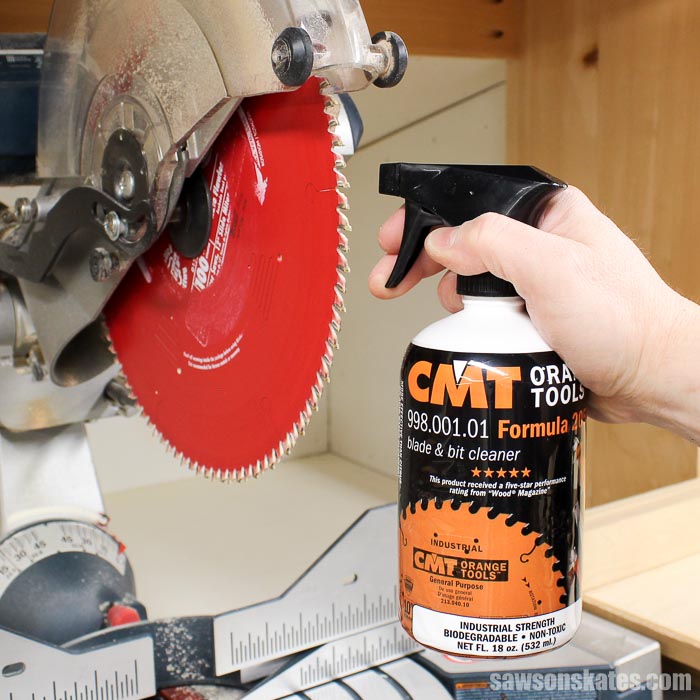
Image Source: sawsonskates.com
Why Cleaning Your Saw Blade Matters
A clean blade cuts better. Saw blades get sticky. Wood pitch, sap, and resins build up on the teeth. This gunk makes the blade drag. It causes the saw to work much harder. When a blade drags, it can lead to kickback. Kickback is when the wood jumps back at you. Keeping blades clean extends their life, too. It also helps prevent removing rust from saw blades later on.
Effects of a Dirty Blade
A dirty blade causes several problems:
- Slower cutting speed.
- Rough, torn cuts.
- Increased motor strain.
- Higher risk of blade binding or kickback.
- Premature wear on the blade teeth.
Safety First: Safe Saw Blade Cleaning Practices
Working with sharp metal requires care. You must follow safety rules when cleaning any blade, whether you are cleaning table saw blades or cleaning circular saw blades.
Essential Safety Steps
- Unplug Everything: Always disconnect the saw from its power source. For cordless saws, remove the battery. Never clean a blade while it is still connected to power.
- Wear Protection: Put on safety glasses. Gloves are also highly recommended to protect your hands from sharp edges and cleaning chemicals.
- Let It Cool: If the blade was just used, it might be hot. Wait until the blade is completely cool before touching it.
- Secure the Blade: If you remove the blade from the tool, clamp it securely in a vise. If cleaning it while mounted, lock the arbor or arbor nut firmly so the blade cannot spin.
Step-by-Step Guide to Cleaning Saw Blades
The cleaning process differs slightly based on the blade type and how dirty it is. We will cover the most common scenarios.
Phase 1: Initial Cleaning and Inspection
Start by removing loose debris. This step is vital for all blades before deep cleaning.
Removing Surface Gunk
- Use a stiff brush, like a nylon brush, to sweep off any large wood chips or sawdust stuck between the teeth. Avoid using wire brushes on carbide teeth, as they can damage the carbide tips.
- For very light buildup, a blast from an air compressor can help clear debris trapped in the gullets (the spaces between the teeth).
Checking for Damage
Before soaking or scrubbing hard, inspect the blade closely. Look for bent teeth, missing teeth, or deep scoring on the blade body. Deep damage usually means the blade needs professional methods for sharpening saw blades or replacement. Light dullness is what cleaning can fix.
Phase 2: Choosing Your Cleaning Agent
The best degreaser for saw blades depends on what you are trying to remove. Pitch and sap are sticky and oily. Rust needs a different approach.
For Pitch and Sap Buildup
Pitch (resin from wood) is the most common problem. It is sticky and hard to remove dry.
Option 1: Commercial Blade Cleaner
These products are made specifically for this task. They work well and are often safe for carbide tips. Follow the bottle directions carefully.
Option 2: Household Solvents
Certain common items break down pitch effectively:
- Acetone (Nail Polish Remover): Very effective for cutting through sap and pitch quickly. Use sparingly and ensure good ventilation.
- Mineral Spirits: A milder option that works well with soaking time.
- Oven Cleaner (Caution Needed): Some old-timers use heavy-duty oven cleaner for very tough, baked-on residue. Warning: Test this on a small, inconspicuous area first, as strong chemicals can sometimes affect the blade’s finish or coating.
Option 3: Natural Cleaner – Dish Soap
For light buildup, hot water and strong dish soap work wonders. This is the safest option for the environment and your hands.
For Rust Removal
If your blades have been stored in a damp place, you will need to tackle rust. Removing rust from saw blades requires slightly more abrasive action.
- Vinegar Soak: Submerge the blade in white vinegar for several hours (or overnight for heavy rust). Vinegar is acidic and slowly dissolves rust.
- Baking Soda Paste: After the vinegar soak (or for light surface rust), create a thick paste of baking soda and water. Gently scrub the rusted areas with a soft cloth or nylon brush.
- Rust Converters: For severe rust, commercial rust converters can change the iron oxide into a stable, paintable surface, but this is often a sign the blade needs professional attention.
Phase 3: Deep Cleaning Techniques
This is where we apply the chosen cleaner.
The Soaking Method (Best for Carbide-Tipped Blades)
Cleaning carbide-tipped blades often benefits from soaking. Carbide is very hard but the steel body can still be affected by harsh chemicals over long periods.
- Place the blade in a plastic tub or bucket large enough to submerge it completely.
- Pour in your chosen cleaner (e.g., mineral spirits, diluted commercial cleaner, or soapy water).
- Let it soak. Light dirt may take 30 minutes. Heavy pitch might need 4 to 6 hours.
- Remove the blade and scrub gently with a nylon brush or old toothbrush to remove softened residue.
- Rinse thoroughly with clean water to remove all chemical traces.
Cleaning While Mounted (For Quick Touch-Ups)
If you are cleaning table saw blades or circular saw blades still mounted in the saw, you can use a gentler approach.
- Ensure the saw is unplugged and the blade is locked.
- Apply your cleaner (like soapy water or mild solvent) to a damp rag or sponge.
- Hold the rag firmly against the spinning teeth while slowly and manually turning the blade by hand. The rotation helps the rag clean the face of each tooth.
- Wipe down the sides of the blade plate as well.
Phase 4: Drying and Final Touches
Drying is crucial to stop flash rust from forming, especially after using water or water-based cleaners.
- Wipe the entire blade—both sides and the teeth—completely dry with a clean, lint-free cloth.
- You can use an air compressor again to blow water out of the crevices between the teeth.
- If you used water or vinegar, lightly coat the blade with a thin layer of paste wax or mineral oil after drying. This is key for preventing saw blade buildup and rust while in storage.
Special Considerations for Different Blade Types
Different tools use blades with varying designs and materials.
Cleaning Table Saw Blades
Cleaning table saw blades often requires removing the blade from the arbor. Table saw blades accumulate pitch quickly because they usually run slower and cut thicker material than power miter saws.
- Always verify the manual for arbor nut removal instructions.
- When cleaning, pay special attention to the gullets. Sawdust compacts there easily.
Cleaning Circular Saw Blades
These blades often run at very high speeds. They are more prone to overheating if dirty.
- When cleaning circular saw blades, especially those used in handheld saws, check the sides of the blade body. They often collect heat-stressed material that needs scrubbing.
Cleaning Carbide-Tipped Blades vs. High-Speed Steel (HSS)
Carbide tips are extremely hard. They resist abrasion well but can chip if struck hard. When cleaning carbide-tipped blades, never use abrasive grinding wheels or very hard wire brushes, as this can dull or chip the carbide edges. Stick to chemical cleaning and soft nylon scrubbing.
HSS blades are softer and might benefit from a very light scrub with a fine-grit abrasive (like the soft side of a kitchen sponge) when dealing with minor rust spots, provided you follow up with oiling.
Restoring Dull Saw Blades Through Cleaning
Sometimes a blade seems dull simply because the teeth are coated in pitch. If you clean it thoroughly and it still doesn’t cut well, the edge is truly dull. This leads us to restoring dull saw blades.
Cleaning is preparation for sharpening. A clean tooth takes the grinder or sharpening stone much better.
When Cleaning Isn’t Enough: Sharpening
If, after cleaning, the cut is still rough, the teeth need reshaping. This is sharpening.
Sharpening Basics:
- Assess the Tooth Count: Ensure you have the right stone or grinding wheel for your tooth configuration (e.g., ATB – Alternate Top Bevel).
- Grinding: Sharpening involves grinding a small amount of material off the face of the tooth until a fresh, sharp edge appears.
- Hook Angle: Maintaining the correct hook angle is vital for good performance. Professionals often recommend resharpening before the tooth wears down too much.
If you plan on methods for sharpening saw blades yourself, invest in a good sharpening jig or system. For expensive blades, professional sharpening services are often worth the cost. They can restore the geometry precisely.
Preventing Future Buildup: Long-Term Blade Care
The best way to keep your blades running well is by preventing saw blade buildup in the first place.
Tips for Prevention
- Use the Right Blade for the Job: Using a ripping blade for fine cross-cutting or vice versa stresses the blade and can encourage residue sticking. Match the tooth count to the task.
- Wax Your Cuts: Apply a thin layer of beeswax or a specialized saw lubricant stick directly to the wood before cutting, especially when cutting plywood or synthetic materials like MDF. This lubricates the cut and transfers less pitch to the blade.
- Storage: Store blades flat, hanging on a rack, or in their original protective sleeves. Avoid stacking them where they can knock against each other or rest in damp areas.
- Regular Light Cleaning: Don’t wait until the blade is black with pitch. Give them a quick wipe-down with a rag soaked in mineral spirits after a long day of cutting.
The Role of Blade Coatings
Many modern blades come with coatings (like PTFE or similar non-stick finishes). These coatings significantly slow down the rate of pitch adhesion. If your coating wears off, consider purchasing new blades with high-quality coatings, as they require less intensive saw blade maintenance.
Maintenance Schedule Table
How often you clean depends on usage. Use this table as a guide for your saw blade maintenance routine:
| Usage Level | Frequency of Deep Cleaning | Frequency of Light Wipe-Down | Action if Rust Appears |
|---|---|---|---|
| Hobbyist/Light Use | Every 6–12 months | Monthly | Immediate vinegar soak |
| Intermediate/Weekend Warrior | Every 3–6 months | Bi-weekly | Immediate vinegar soak |
| Professional/Daily Use | Monthly or Bi-weekly | Weekly | Immediate thorough inspection and cleaning |
Comprehending Chemical Interactions
When cleaning, it is important to know what chemicals do. Some chemicals attack metal, while others attack resin.
- Solvents (Mineral Spirits, Acetone): Target organic materials like pitch and sap. They are often safe for steel but can strip protective finishes.
- Acids (Vinegar, Commercial Rust Removers): Target inorganic materials like rust (iron oxide). They must be neutralized or rinsed well, as prolonged exposure causes etching or corrosion.
- Detergents (Soap): Work by surrounding grease/pitch particles so they can be washed away by water. They are gentle but less effective on hard, baked-on residue.
Always prioritize rinsing thoroughly after any chemical treatment. Leaving residue behind can cause issues next time you use the blade.
FAQ Section
Q: Can I use a wire brush to clean my saw blade?
A: Generally, no, especially on carbide-tipped blades. A wire brush can scratch the carbide tips or remove protective coatings, dulling the edge prematurely. Use a stiff nylon brush instead.
Q: How do I stop rust immediately after cleaning with water?
A: After wiping the blade totally dry, apply a very thin coat of paste wax or mineral oil. This acts as a temporary barrier against humidity.
Q: Is it better to sharpen or replace a dull blade?
A: For standard combination blades, sharpening is usually cost-effective 3 to 5 times. If the blade has lost too much tooth height or has severe damage, replacing it is often safer and provides a better cut quality than an over-sharpened, thin blade.
Q: What is the safest solvent for cleaning carbide-tipped blades?
A: Hot, soapy water with a strong dish detergent is the safest starting point. If that fails, mineral spirits or specialized, citrus-based degreasers are usually very safe for both the carbide and the steel plate.
Q: Can I clean my blade while it is still attached to my miter saw?
A: Yes, for light cleaning. Unplug the saw, lock the arbor, and use a damp rag saturated with a mild cleaner while manually turning the blade. However, removing the blade allows for a much more thorough job when cleaning circular saw blades.