
The shopping cart price varies widely. A basic, new, small plastic cart might cost around \$75, while a large, heavy-duty, stainless steel supermarket cart cost can easily go over \$200 or more.
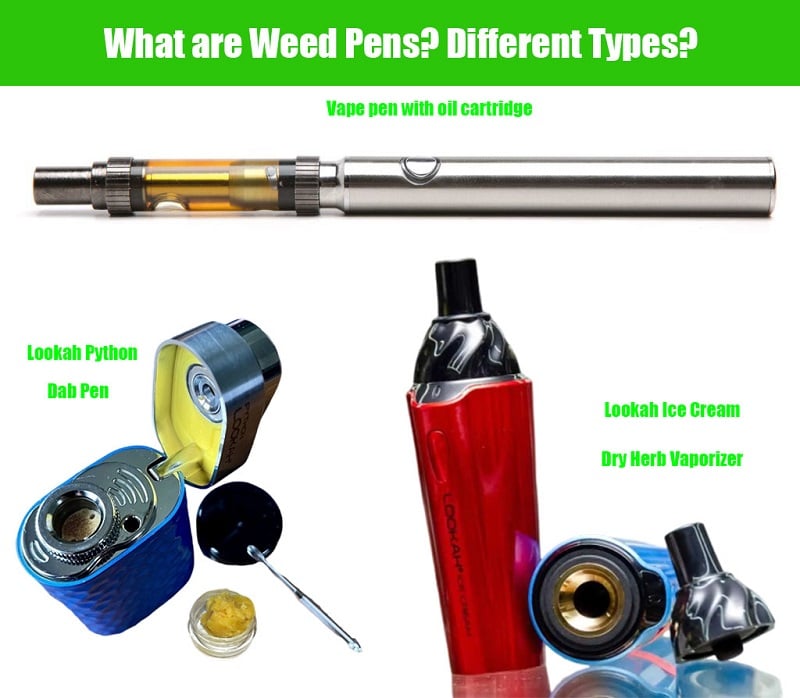
Image Source: lookah.com
Deciphering the Price Tag: Factors Affecting Cart Expenses
Buying carts for your business is a big choice. The final shopping trolley price you pay depends on many things. Think about size, what it’s made of, and how many you buy. This guide will break down the costs so you can make a smart buy.
Size and Capacity: Bigger Means Bigger Bills
Carts come in many sizes. Small carts are great for quick trips or smaller stores. Large carts hold lots of groceries.
Small Carts (Basket Size)
These are often used in convenience stores or pharmacies. They take up less floor space.
- Typical Price Range: \$50 to \$100 per unit.
- Good for: Quick stops, small shops.
Medium Carts (Standard Grocery Size)
This is the most common size you see in most supermarkets. They balance space and holding power.
- Typical Price Range: \$110 to \$175 per unit.
- Good for: Average weekly grocery trips.
Large Carts (Mega Capacity)
These carts handle big family shops or wholesale club needs. They need stronger frames.
- Typical Price Range: \$180 to \$250+ per unit.
- Good for: Large haul shopping, warehouse clubs.
Material Matters: Metal Versus Plastic
The stuff carts are made from hugely impacts the metal cart cost or plastic cart price. Durability and weight are key differences.
Wire Carts (Metal Cart Cost)
Most standard carts use metal wire construction. This is strong and lets shoppers see through the basket.
- Pros: Very tough, long lifespan, easy to clean.
- Cons: Can rust if the coating wears off, heavier than plastic options.
- Impact on Price: Good quality steel carts sit in the mid-to-high range for retail cart pricing.
Plastic Carts
These are lighter and do not rust. They are often colorful, which can help with branding.
- Pros: Lightweight, no rust issues, often cheaper upfront for small sizes.
- Cons: Can crack under heavy loads or extreme cold, may feel less sturdy to the shopper.
Stainless Steel Carts
These are the premium option. You often find them in high-end stores or in areas near water where rust is a big worry.
- Pros: Maximum durability, resists corrosion completely.
- Cons: Highest initial shopping cart price.
New vs. Used vs. Refurbished: Finding the Right Value
Just like cars, carts come in different conditions affecting the cost of grocery carts.
New Carts
Buying new means getting the latest features, fresh finishes, and full warranties. This is the best long-term durable cart investment.
Used Carts
Used carts save money right away. However, you must check the wheels and frame very closely. Hidden damage can lead to quick replacement costs later.
Refurbished Carts
These are used carts brought back to good working order. They get new wheels, coatings, or minor repairs. This is a great middle-ground choice for lowering commercial cart pricing without buying junk.
Table 1: General Price Comparison by Condition (Standard Medium Cart)
| Condition | Estimated Price Range (Per Cart) | Expected Lifespan | Best For |
|---|---|---|---|
| New | \$130 – \$200 | 8 – 12+ Years | Large retailers needing longevity |
| Refurbished | \$80 – \$120 | 5 – 8 Years | Budget-conscious stores |
| Used (As-Is) | \$40 – \$75 | Varies greatly (2 – 5 Years) | Temporary needs or very small operations |
Specialty Cart Costs: Beyond the Standard Model
Not all carts are the same. You might need special features for specific shopping needs. These extras add to the final wire cart purchase price.
Child Seat Carts
Most modern carts include a plastic seat insert for children. These are usually standard and don’t add much to the base price if bought new in bulk. If you replace just the seat, expect to pay \$5 to \$15 per piece.
Bagger-Ready Carts
Some newer models feature specific areas or dividers for bagging groceries efficiently. These designs are more complex. This customization can raise the retail cart pricing slightly.
Express Lane Carts
These are smaller carts designed for quick trips. They are often considered a subset of the “small cart” category mentioned earlier, keeping the shopping cart price lower.
Bulk & Warehouse Carts
These are very large, often rectangular, and built extremely tough for heavy boxes. They are significantly more expensive due to the sheer amount of steel used. Expect the commercial cart pricing for these giants to be at the top end of the scale, sometimes exceeding \$350 each.
The Hidden Costs of Cart Ownership
The sticker price is just the start. A good owner looks at the total cost of owning the cart over many years. This is where the true durable cart investment is measured.
Maintenance and Repairs
Wheels break. Plastic parts crack. These need fixing.
- Wheels: The single most common point of failure. A good quality caster wheel might cost \$5 to \$15 alone. Replacing all four wheels on a cart regularly is a real cost.
- Coating: Rust protection needs checking. If the coating fails, the metal cart cost advantage disappears quickly as the cart degrades.
Theft Deterrents and Locks
In some high-theft areas, stores invest in systems that lock the cart when it leaves the property line.
- Wheel Locking Systems: These require installing electronic sensors around the perimeter. The cost isn’t in the cart itself, but in the overall system implementation, which can run thousands of dollars for installation before you even factor in the cart price.
Delivery and Freight
Carts are bulky. Shipping them from the factory or warehouse costs money. This freight charge can add 10% to 20% to your initial bill, especially if you only order a small batch. Always ask for an “all-in” quote that includes delivery when comparing the cost of grocery carts.
Bulk Buying: The Key to Lowering Unit Price
If you need many carts, buying in volume significantly drops the price you pay for each one. Suppliers offer tiered pricing based on the quantity ordered.
Table 2: Typical Bulk Discount Tiers (Estimate)
| Quantity Ordered | Discount Factor | Example Unit Price Reduction |
|---|---|---|
| 1 – 20 Carts | None/Standard | N/A |
| 21 – 50 Carts | 5% – 10% Off | \$150 cart drops to \$142.50 |
| 51 – 100 Carts | 10% – 15% Off | \$150 cart drops to \$135.00 |
| 100+ Carts | 15% – 25% Off | \$150 cart drops to \$120.00 |
Getting a better deal on your wire cart purchase price through bulk ordering spreads the fixed costs, like shipping, over more units.
Sourcing Suppliers: Where to Find the Best Deals
Where you buy your carts matters greatly for both the price and the quality you receive.
Direct from Manufacturer
Buying direct from the company that makes the carts often yields the lowest per-unit cost, especially for very large orders (200+ units). You are cutting out the middleman distributor. This is ideal for setting a firm long-term supermarket cart cost baseline.
Wholesale Distributors
These companies stock carts from various manufacturers. They are great for mixing and matching sizes or getting smaller bulk orders (50-100). They usually have good stock ready to ship immediately.
Online Marketplaces (New and Used)
For smaller operations or emergencies, online platforms offer quick access. However, scrutinize sellers carefully, as quality control can be inconsistent compared to established suppliers. Be wary of exceptionally low plastic cart price listings online without detailed photos.
Regional Suppliers
These suppliers often focus on the local area. They might be slightly more expensive than national distributors, but their freight costs might be lower, and they are usually faster for local service or small repairs.
Fathoming the True Value: Long-Term Investment vs. Short-Term Savings
A cheap cart today might cost you more tomorrow. Think about the lifespan and how often you will have to replace broken parts.
If a high-quality, stainless steel cart costs \$190 but lasts 10 years, and a cheap model costs \$110 but only lasts 4 years, the cheap cart actually costs you more over time when maintenance is added.
- Cheap Cart Total Cost (4 years): \$110 (initial) + \$60 (two sets of replacement wheels) = \$170. (But the shopper experience is worse).
- Quality Cart Total Cost (10 years): \$190 (initial) + \$30 (one set of wheels) = \$220. (Better experience, lower yearly cost).
Choosing quality ensures your shoppers have a smooth experience, which directly impacts sales. A wobbly, squeaky cart gives a bad first impression of your store. Investing in a durable cart investment means investing in customer satisfaction.
Special Considerations for Different Cart Types
The term “cart” covers a lot of ground. We must look at specific costs for different uses.
Commercial Cart Pricing for Specialized Needs
If you are buying carts for non-grocery retail, like hardware stores or electronics centers, these are often tailored.
- Flatbed Carts: Used for large items. They require heavy-duty platforms and larger, tougher wheels. These often cost more than standard grocery carts, perhaps \$180 to \$300, depending on weight rating.
- Telescopic/Nesting Carts: Used in airports or hotels. They fold up smaller for storage efficiency. The added mechanism increases the shopping trolley price.
Plastic Cart Price Nuances
When focusing on the plastic cart price, check the type of plastic used. High-density polyethylene (HDPE) is much stronger than lower-grade plastics. Cheaper plastics break down faster under UV light (sun exposure) and harsh cleaning chemicals, shortening their effective life dramatically.
The Cost of Customization
Adding branding—like painting a logo on the side or using custom-colored plastic—incurs setup fees and higher per-unit costs. Customization starts your retail cart pricing higher than a standard color like blue or red.
Maintenance Protocols to Protect Your Investment
To get the maximum life out of your purchase, regular maintenance is crucial. This keeps your per-year cost low.
- Wheel Lubrication: Check and grease casters every six months. Dry wheels cause the cart frame to strain, leading to premature failure. This directly reduces the need to spend on new wheels frequently.
- Tightening: Check nuts and bolts, especially after heavy use. Loose components lead to wobbling and misalignment.
- Cleaning: Regular washing prevents dirt and grit from getting trapped in the wheel mechanisms. This is vital for preserving the finish on metal cart cost items to prevent rust.
A simple maintenance schedule can extend the usable life of your carts by several years, making even a higher initial shopping cart price seem like a bargain in the long run.
Frequently Asked Questions (FAQ)
How long should a new shopping cart last?
A well-maintained, good-quality new shopping cart should last between 8 and 12 years in a standard retail environment. If it is a heavy-duty, specialized commercial cart pricing model, it might last longer.
Are galvanized carts better than coated carts?
Galvanized steel has a zinc coating for rust protection. Coated carts use paint or plastic polymers. Galvanization often offers superior, longer-lasting rust protection, making the higher metal cart cost worthwhile if your environment is very humid or wet.
Can I mix and match cart brands?
Yes, you can mix brands, but be aware that replacement parts like plastic baby seats or specific wheel types may not fit perfectly across different manufacturers. Stick to one main brand if possible for easier maintenance and repair of your wire cart purchase price inventory.
What is the cheapest way to get carts for a new store?
The cheapest way initially is to buy a small batch of used, locally sourced carts. However, for long-term success, buying a medium bulk order (50-100) of new, standard-size plastic or entry-level wire carts offers the best balance of low plastic cart price and reasonable longevity.
Does the price of steel affect the supermarket cart cost?
Yes, significantly. Since most standard carts are steel, fluctuations in global commodity prices for steel and chrome directly influence the final shopping cart price quoted by manufacturers.
Are there significant differences between a shopping trolley price in the US versus Europe?
Yes. European models often focus heavily on maneuverability in older, tighter store layouts, sometimes leading to slightly different designs and material mixes, which can alter the final price compared to typical US-style carts. However, both aim for a high level of durable cart investment.