
Electric golf cart batteries typically last between 3 to 8 years, depending heavily on the battery chemistry (lead-acid or lithium), how well they are maintained, and how often they are used.
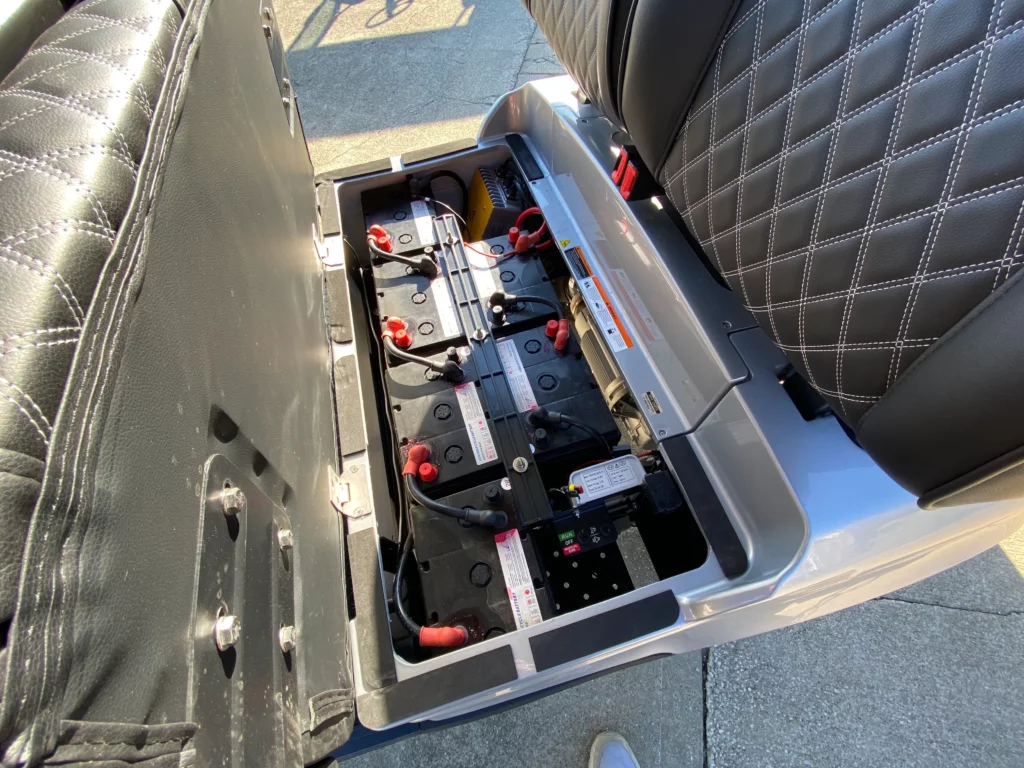
Image Source: hartvillegolfcarts.com
The Core of Cart Power: Battery Lifespan Explained
The battery is the heart of any electric golf cart. Knowing how long this vital component will last helps owners plan for replacement costs and keep their carts running smoothly. The electric golf cart battery lifespan is not a single number. It changes based on many things.
Fathoming Battery Chemistry Differences
The biggest factor affecting how long your batteries last is what kind they are. Today, carts primarily use two types: traditional lead-acid and modern lithium-ion.
Lead Acid Golf Cart Battery Runtime and Longevity
Lead-acid batteries have been the standard for many years. They are cheaper upfront. However, they demand more care. Lead acid golf cart battery runtime is directly tied to how deeply you discharge them.
- Depth of Discharge (DOD): This means how much power you take out of the battery before charging it again. Lead-acid batteries hate being run down too far.
- Charge Cycles: A typical lead-acid battery is rated for about 500 to 1,000 full charge cycles. If you use your cart daily and fully drain the battery each time, you will hit that limit faster.
Golf cart battery life expectancy for flooded lead-acid batteries usually falls in the 3 to 5-year range under normal use. If you let them sit undercharged or over-discharge them often, this time shrinks significantly.
Lithium Golf Cart Battery Service Life
Lithium batteries cost more upfront. But they often last much longer. The lithium golf cart battery service life is usually measured in years and a much higher number of cycles.
- Cycle Life: Modern lithium batteries can often handle 2,000 to 4,000 cycles before showing major capacity loss.
- DOD Tolerance: Lithium batteries handle deep discharges very well. You can safely use 80% or even 90% of their capacity without much harm. This means you get more usable range every day.
When looking at the best golf cart battery brands lifespan, lithium options consistently outpace lead-acid in long-term value, even with the higher initial cost. A good lithium pack might last 8 to 10 years or more.
Factors Affecting Golf Cart Battery Duration
It is crucial to look at what makes batteries wear out faster. Factors affecting golf cart battery duration are often in the owner’s control. Poor habits speed up battery aging, no matter the chemistry.
Usage Habits Matter Greatly
How you drive and use the cart influences the battery health.
- Frequency of Use: A cart used once a week will likely have batteries that last longer than one used every day. However, batteries left sitting for months without a charge can sulfate and die quickly.
- Terrain and Load: Driving up steep hills or carrying heavy loads puts more strain on the batteries. This high demand forces deeper discharges more often, stressing the battery chemistry.
- Speed Setting: Running a cart at top speed drains the battery much faster than cruising at a moderate pace.
Environmental Conditions and Temperature
Temperature is a silent killer for batteries.
- Extreme Heat: High temperatures speed up chemical reactions inside the battery. This reduces the overall life of both lead-acid and lithium types. Store carts in cool, dry places if possible.
- Cold Weather: Cold weather reduces immediate performance and runtime. While it doesn’t always shorten the total lifespan drastically, repeated hard use in the cold can be taxing.
Charging Practices and Maintenance
This is where most lead-acid owners make critical mistakes that hurt deep cycle battery longevity golf cart performance.
Maintaining Lead-Acid Batteries
Lead-acid batteries need careful attention to water levels and charging.
- Water Levels: Flooded lead-acid batteries need distilled water added regularly. Low water exposes the lead plates to air, causing sulfation—a hard buildup that stops the battery from holding a charge.
- Equalization: These batteries need occasional overcharging, called equalization, to keep the plates clean.
The Importance of Proper Charging
Never leave a lead-acid battery partially charged for long periods. They must be fully charged soon after use. Incomplete charging leads to sulfation, severely reducing golf cart battery life expectancy.
Lithium batteries are easier. They have a Battery Management System (BMS) that handles safety. However, using the correct, manufacturer-approved charger is still essential for maximizing their life.
Determining Charge Cycles and Battery Health
To estimate how much life is left in your batteries, you need to know about charge cycles.
Average Golf Cart Battery Charge Cycles
The term “charge cycle” refers to one full discharge (usually defined as going from 100% down to 50% or lower) followed by a full recharge.
| Battery Type | Typical Full Cycles Before Significant Degradation | Notes |
|---|---|---|
| Flooded Lead-Acid | 500 – 1,000 | Lifespan heavily depends on DOD adherence (aim for shallow discharges). |
| AGM/Gel Lead-Acid | 600 – 1,200 | Slightly more tolerant of deeper discharges than flooded types. |
| Lithium-Ion (LiFePO4) | 2,000 – 4,000+ | Excellent cycle life; less sensitive to depth of discharge. |
If you use your cart lightly, maybe only achieving a 25% discharge each time, you technically get four partial cycles for every one full cycle counted toward the rating. This can extend the perceived life beyond the cycle count.
Signs It’s Time for Replacing Electric Golf Cart Batteries
Knowing when to replace the pack saves you from being stranded. Look for these common signs:
- Reduced Range: If your cart used to go 20 miles on a charge and now barely makes it 10 miles, the capacity is down.
- Slow Charging: Batteries take much longer than usual to reach a full state of charge, or they never seem to top off completely.
- Visible Damage (Lead-Acid): Bulging cases, white or blue corrosive buildup that won’t clean off, or low water levels that cannot be maintained.
- Poor Performance: The cart feels sluggish, especially going uphill, or the motor sounds weaker under load.
Practical Steps for Battery Maintenance for Golf Cart Longevity
Good habits now translate to years of extra service from your power source. Battery maintenance for golf cart longevity is straightforward but must be done regularly.
Lead-Acid Maintenance Routine
If you have lead-acid batteries, set a weekly or bi-weekly schedule for checks:
- Check Water Levels: Use only distilled water. Keep the water level above the tops of the internal plates.
- Clean Terminals: Use a wire brush and a baking soda/water mixture to remove corrosion from the terminals. Apply a thin layer of battery terminal protector spray afterward.
- Equalize Regularly: Follow the manufacturer’s recommendation for equalization charging. This usually happens once a month or every 20-30 cycles.
- Keep Them Charged: Never store lead-acid batteries below 75% state of charge. If the cart sits unused, connect it to a trickle charger or smart maintainer.
Lithium Battery Care Tips
Lithium batteries are low maintenance, but they aren’t zero maintenance.
- Use the Right Charger: Always use the charger specifically designed for your lithium pack. The BMS communicates with the charger.
- Avoid Extreme Storage: While they handle deep discharge well, storing lithium batteries long-term at 100% charge is slightly detrimental. Experts suggest storing them around 50-60% charge for maximum long-term preservation if you plan on leaving the cart idle for months.
- Monitor the BMS: Modern lithium systems often have indicators or apps. Pay attention to any warnings they show.
The Replacement Decision: Cost vs. Value
When the time comes for replacing electric golf cart batteries, owners face a significant expense. A full set of lead-acid batteries can cost hundreds of dollars, while a complete lithium conversion can cost several thousand.
Analyzing Total Cost of Ownership (TCO)
To make the best choice, look past the initial price tag.
- Lead-Acid TCO: Lower initial cost, but you will likely buy 2 or 3 sets of batteries over the lifespan of one lithium set. Add in the cost of distilled water, specialized chargers, and time spent on maintenance.
- Lithium TCO: Higher initial cost, but you might only buy one set over 8–10 years. They are lighter, require almost no maintenance, and offer consistent performance until they fail.
Many users find that the convenience and extended life of lithium batteries result in a lower TCO over a typical 8-year ownership period.
Optimizing Battery Performance for Maximum Range
Beyond lifespan, many drivers focus on daily range. How far can the cart go right now? This relates back to the health of the cells.
Smart Charging Strategies for Better Range
A fully charged battery delivers maximum voltage and therefore maximum power and range.
- Charge Immediately: Charge the cart as soon as you finish using it, especially after a long day.
- Use Smart Chargers: Modern chargers automatically taper off the charge when the battery is full, preventing overcharging damage.
- Avoid Partial Charges (Lead-Acid): If you only drive a short distance (5% discharge), charging it partially is okay for lead-acid, but regular deep discharges are necessary to keep the plates clean. Lithium handles frequent partial charges very well.
Weight Reduction Benefits
Lighter carts use less energy to move. Replacing heavy lead-acid batteries with a lighter lithium pack can sometimes improve your lead acid golf cart battery runtime approximation, even before factoring in the improved capacity of the new battery chemistry. The cart uses less energy to move itself around.
Quick Comparison Table: Lifespan Metrics
| Feature | Lead-Acid Batteries | Lithium Batteries (LiFePO4) |
|---|---|---|
| Average Lifespan (Years) | 3 – 5 Years | 8 – 10+ Years |
| Average Charge Cycles | 500 – 1,000 | 2,000 – 4,000 |
| Maintenance Needs | High (Watering, cleaning, equalization) | Low (Check terminals, use correct charger) |
| Depth of Discharge Tolerance | Poor (50% recommended max) | Excellent (80-90% recommended) |
| Weight | Very Heavy | Lightweight |
Frequently Asked Questions (FAQ)
How many times can I charge a golf cart battery?
This depends on the battery type. Lead-acid batteries can usually be charged 500 to 1,000 full cycles. Lithium batteries can handle 2,000 to 4,000 cycles or more before capacity significantly drops.
Can I mix old and new batteries in my golf cart?
No, you should never mix old and new batteries, especially with lead-acid. The old, weaker batteries will drag down the performance of the new ones, causing the new batteries to be over-discharged and fail prematurely. Always replace the entire set at once.
Does leaving a golf cart plugged in all the time hurt the batteries?
For modern, high-quality chargers (especially those paired with lithium batteries), leaving the cart plugged in is usually fine. The charger will automatically switch to a maintenance mode. However, for older or cheaper lead-acid chargers, leaving them plugged in can cause overcharging and boil off the electrolyte, shortening the life. Check your charger manual.
What is the best way to store a golf cart for the winter?
For lead-acid, fully charge the batteries, disconnect the cables, and store them in a cool, dry place above freezing. Check the charge level monthly. For lithium, fully charge to about 50-60% state of charge and store them in a cool, dry place. Do not store them fully charged for long periods.
How does battery voltage affect cart runtime?
As the battery voltage drops (meaning the battery is more discharged), the cart will run slower and have less power. A healthy battery pack maintains its full voltage for longer during the discharge cycle, giving you consistent performance until it needs a recharge.