
The typical golf cart battery lifespan is between 5 to 10 years for standard lead-acid batteries, but this can vary greatly depending on the type of battery, how well you care for it, and how often you use your cart. Lithium golf cart batteries often last much longer, sometimes up to 10 to 15 years.
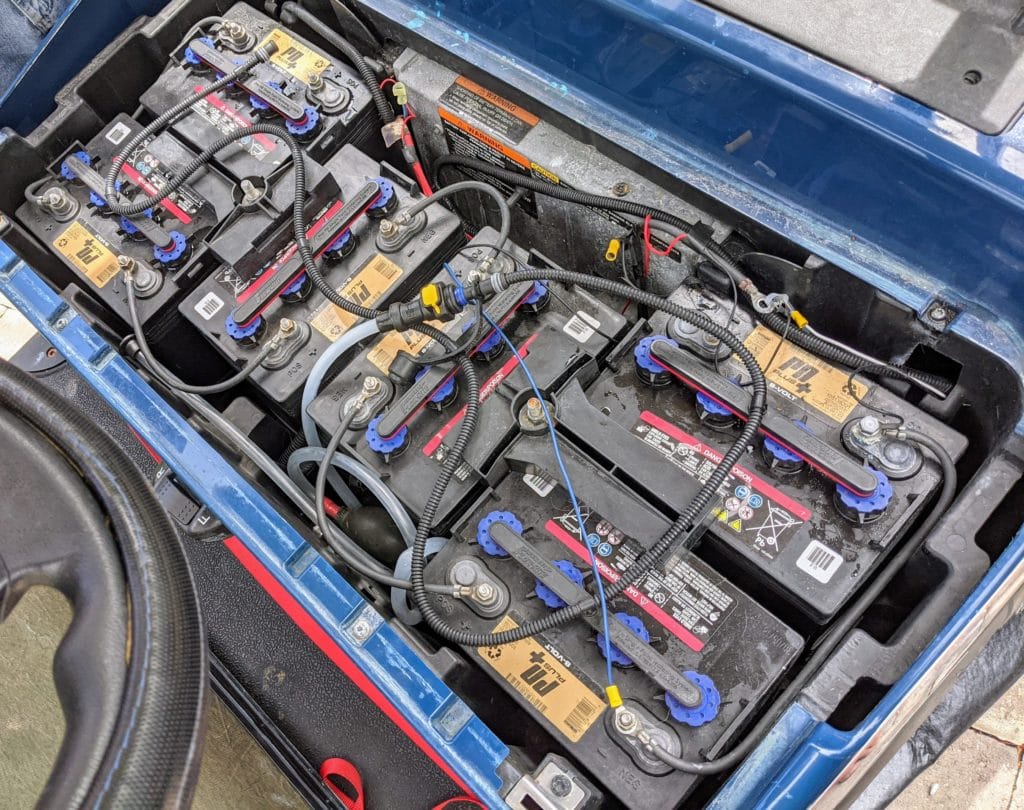
Image Source: battlebornbatteries.com
The Basics of Golf Cart Battery Longevity
Your golf cart runs on energy stored in its batteries. How long those batteries keep working well is a big concern for any owner. Knowing the expected golf cart battery life expectancy helps you budget for replacements.
Average Golf Cart Battery Life
What is the average golf cart battery life? For most carts using traditional flooded lead-acid batteries, you can expect them to last about 5 to 7 years with good care. If your cart sees heavy, daily use, the lifespan might be closer to 3 to 5 years. For advanced lithium-ion types, the timeline stretches much further, often hitting 8 to 12 years or more.
Deciphering Factors Affecting Golf Cart Battery Life
Many things impact how long your batteries stay strong. Good maintenance helps them last longer. Poor habits shorten their useful time quickly.
Here are the key factors affecting golf cart battery life:
- Battery Chemistry: Lithium (Li-ion) lasts longer than lead-acid.
- Usage Frequency: Using the cart every day drains the battery more often, reducing its total life cycles.
- Depth of Discharge (DoD): How deeply you drain the battery before recharging is crucial. Deep discharges hurt lead-acid batteries a lot.
- Charging Habits: Charging correctly and not overcharging is vital.
- Climate: Extreme heat or cold stresses the battery cells.
- Maintenance: For lead-acid types, keeping water levels correct matters a lot.
Lead Acid vs. Lithium Golf Cart Battery Life
The big choice in golf cart power is between older lead-acid technology and newer lithium-ion batteries. They have very different performance records.
Lead-Acid Battery Longevity
Deep cycle golf cart battery longevity for traditional lead-acid batteries depends heavily on how they are treated. These batteries store power using lead plates submerged in an electrolyte solution.
- Cycle Life: They usually offer 500 to 1,200 charge/discharge cycles.
- Maintenance Needs: They require regular watering (adding distilled water) to keep the plates covered. If the plates dry out, the battery dies fast.
- Depth of Discharge Limit: To maximize their life, you should only drain them to 50% of their capacity. Going lower damages them permanently.
Lithium Battery Longevity
Lithium (Li-ion) batteries are much different. They use different chemistry that handles draining and recharging better.
- Cycle Life: Lithium batteries commonly offer 3,000 to 5,000 cycles, sometimes more.
- Maintenance Needs: They are virtually maintenance-free. You rarely, if ever, need to add water. They have built-in Battery Management Systems (BMS).
- Depth of Discharge: They handle deep discharges well, often safely draining to 80% or 90% without major harm.
The comparison shows why lead acid vs lithium golf cart battery life heavily favors lithium for sheer duration, even though the initial cost is higher.
| Battery Type | Average Cycle Count | Typical Lifespan (Years) | Maintenance Required |
|---|---|---|---|
| Flooded Lead-Acid | 500 – 1,200 | 5 – 7 | High (Watering) |
| AGM/Gel Lead-Acid | 800 – 1,500 | 6 – 8 | Low |
| Lithium-Ion (LiFePO4) | 3,000 – 5,000+ | 8 – 15 | Very Low |
Grasping the Role of Charging Habits
How you charge your batteries is perhaps the single biggest factor you control regarding golf cart battery lifespan. Incorrect charging speeds up battery failure.
How Long Do Golf Cart Batteries Need to Charge?
The time needed depends on the battery size, its current state of charge, and the charger’s output power. A standard 48-volt system might take 8 to 12 hours for a full recharge after a typical day of use.
A better question than how long is when to charge.
- Lead-Acid Best Practice: Charge them fully after every use, even if you only drove a short distance. Never let them sit discharged for long periods.
- Lithium Best Practice: They don’t need daily top-offs like lead-acid. They are best kept between 40% and 80% charge for daily use, though they can be fully charged when needed.
The Danger of Undercharging and Overcharging
Overcharging: This heats up lead-acid batteries, causing water loss (if flooded) and plate damage. It cooks the battery slowly. Modern, quality chargers have automatic shut-offs to prevent this, but old or cheap chargers can cause problems.
Undercharging (Partial State of Charge): If lead-acid batteries are frequently left partially charged, they develop “sulfation.” This is a hard, non-conductive material building up on the lead plates. Sulfation reduces the battery’s ability to hold a charge, severely cutting its useful life.
Maximizing Golf Cart Battery Lifespan
You can take several steps to ensure you get the maximum years out of your power source. These tips focus heavily on protecting lead-acid batteries, as lithium batteries are more forgiving.
Regular Maintenance for Lead-Acid Batteries
Consistent care keeps the chemical reactions inside working smoothly.
- Check Water Levels: Once a month, check the water covering the lead plates in flooded batteries. Use only distilled water. Low water leads to quick plate damage.
- Clean Terminals: Keep the terminals free of white or blue corrosion. Clean them gently with a wire brush and a baking soda/water mix. Corrosion creates resistance, leading to poor charging.
- Keep Them Cool: Store or operate your cart where temperatures are moderate. Heat is the enemy of battery chemistry.
Proper Storage Procedures
If you store your cart for the off-season, do not just leave the batteries dead.
- Charge Fully: Fully charge all batteries before putting the cart away.
- Disconnect: Disconnect the main leads to prevent slow parasitic drain from the cart’s electronics.
- Check Periodically: For lead-acid, check water levels every 1-2 months during storage. For lithium, ensure they are not left totally drained, as they can self-discharge too much and enter a damaged low-voltage state.
Avoiding Deep Discharges
Remember the 50% rule for lead-acid batteries. If you routinely drain them past 50%, you are trading range today for a much shorter overall golf cart battery lifespan tomorrow. If you need more range, consider upgrading to a higher amp-hour (Ah) battery bank, not draining the current one further.
Recognizing the Signs of Failing Golf Cart Battery
Knowing when a battery is giving up helps you plan for replacing golf cart battery life span before you get stranded.
Signs of Failing Golf Cart Battery
A battery doesn’t usually die instantly; it shows warning signs first.
- Reduced Run Time: This is the most obvious sign. If your cart used to go 5 miles on a charge and now barely makes it 3 miles, the battery capacity has shrunk significantly.
- Slow Speed or Weak Performance: The cart struggles up hills or feels sluggish, even when fully charged.
- Excessive Watering: If flooded lead-acid batteries require water much more often than usual, it means they are gassing excessively due to internal plate breakdown.
- Visual Swelling or Cracking: If the battery case looks bulging or cracked, it is damaged internally, often due to heat or severe overcharging. It must be replaced immediately for safety.
- Low Specific Gravity (Testing): A mechanic can use a hydrometer to test the electrolyte specific gravity. Low readings across multiple cells indicate permanent damage or sulfation.
When It’s Time for Replacing Golf Cart Battery Life Span
Once a battery bank starts failing, replacing the whole set is usually better than replacing just one or two cells or batteries. Golf cart batteries are designed to work together. Mixing old and new batteries causes the new ones to be dragged down by the old ones.
If you notice a major drop in range across the whole cart, it is time to budget for new power sources. This is also the perfect time to reconsider if you want to stick with lead-acid or upgrade to lithium for better deep cycle golf cart battery longevity.
Cost vs. Longevity Trade-Off
While a set of new lead-acid batteries might cost \$1,000 to \$1,800 and last 6 years, a lithium upgrade might cost \$2,500 to \$4,000 but last 12 years. Over the 12-year period, the lithium option might actually be cheaper overall when you factor in replacement costs, labor, and less downtime.
Advanced Charging: What to Know
The charger plays an active role in battery health. For lead-acid batteries, using a quality, temperature-compensating charger is highly recommended.
Pulse Charging and Equalization
Some modern chargers use “pulse charging” to help break down mild sulfation. This can sometimes revive slightly weakened lead-acid batteries.
Equalization is a controlled overcharge applied to lead-acid batteries occasionally (every month or so). This process mixes the electrolyte solution, which helps keep the plates balanced. Do not try to equalize lithium batteries; they should never be subjected to an equalization charge.
Frequently Asked Questions (FAQ)
How long do golf cart batteries need to charge if they are completely dead?
If lead-acid batteries are completely dead (0% charge), a standard charger might take 12 to 18 hours, or sometimes longer, to bring them back to full capacity. Some smart chargers may refuse to start charging a battery that has dropped below a certain voltage threshold (e.g., 10.5 volts for a 12V battery), requiring a slow “wake-up” charge first.
Can I mix and match different brands of golf cart batteries?
No, you should never mix different brands, ages, or types (like mixing AGM with flooded) in the same golf cart bank. They charge and discharge at different rates, leading to uneven wear and significantly shortening the overall golf cart battery lifespan. Always replace the entire set at once.
Is it bad to leave a golf cart plugged in all the time?
For modern, high-quality chargers, leaving the cart plugged in is generally fine. These chargers automatically switch to a low-power “float” mode after reaching full charge, maintaining the battery without overcooking it. However, if you have an old, basic charger, leaving it plugged in indefinitely can cause chronic overcharging and reduce battery life.
What is the ideal temperature for storing golf cart batteries?
The ideal temperature for both lead-acid and lithium batteries is room temperature, around 68°F to 77°F (20°C to 25°C). Temperatures above 90°F (32°C) accelerate internal corrosion and chemical degradation in lead-acid batteries, severely reducing average golf cart battery life.
Does using a lift kit or larger tires affect battery life?
Yes. Larger tires or heavy modifications increase the load on the cart motor. This forces the batteries to deliver more current and suffer deeper discharges more frequently. This increased stress shortens the golf cart battery life expectancy because you hit the low State of Charge threshold faster and more often.