
An oscillating multi tool is used for many jobs around the house and job site. It can cut, sand, grind, scrape, and remove grout. This tool excels at detailed work and reaching tight spots where bigger tools cannot go. Its unique side-to-side motion makes it incredibly useful for a wide range of tasks.
The oscillating multi-tool is one of the most adaptable power tools you can own. It might look small, but its ability to swap out different attachments makes it a true jack-of-all-trades. If you need a tool that can handle delicate sanding, tough demolition, or precise cuts, the multi-tool is the answer. Its versatility of oscillating tools sets it apart from almost any other single power tool.
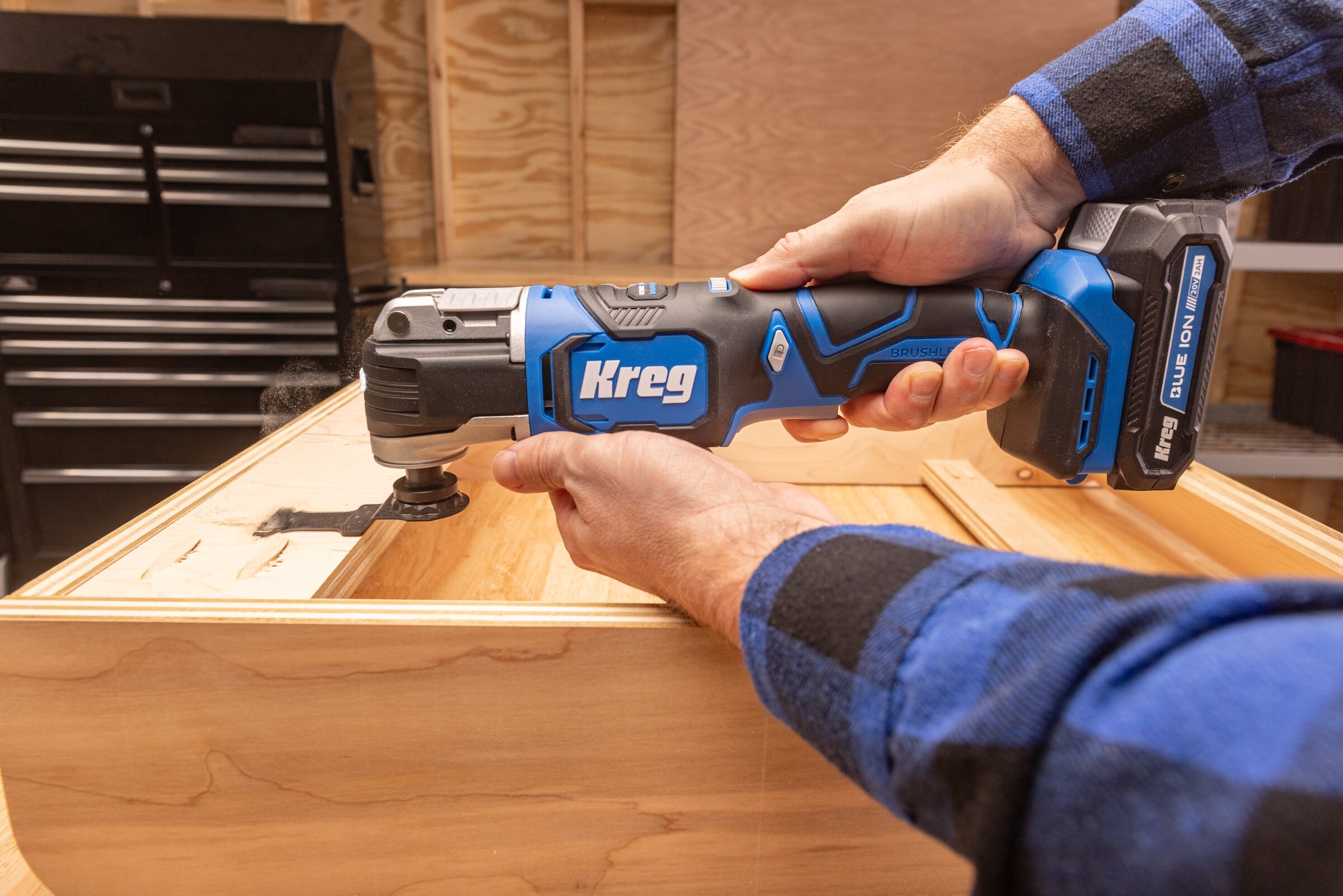
Image Source: learn.kregtool.com
The Magic Behind the Motion
To grasp the many multi-tool uses, you must first know how it works. Unlike a rotary tool that spins quickly, or a reciprocating saw that moves back and forth in a long sweep, the multi-tool vibrates side-to-side very rapidly—sometimes up to 20,000 times per minute. This rapid oscillation provides powerful control.
This small movement allows the tool to cut or grind material without throwing off large amounts of debris or forcing the user to fight strong torque. This feature makes it the perfect power tool for detailed work.
Key Functions of the Oscillating Multi-Tool
The core strength of this tool lies in its many attachments. By simply changing the blade or pad, the tool transforms its function completely. Here are the main things you will use this tool for.
Cutting with Oscillating Tool: Precision and Access
One of the most common oscillating tool applications is cutting. The thin blades allow for very clean cuts, especially in awkward positions.
Flush Cutting Oscillating Tool Tasks
The design is perfect for flush cutting oscillating tool jobs. Flush cutting means cutting something off right at the surface level, like trimming a dowel rod or cutting off an exposed nail head without damaging the surrounding surface.
- Door Jamb Trimming: When installing new flooring like laminate or tile, you often need to cut the bottom of door casings or jambs so the new floor slides underneath them cleanly. A standard saw is too bulky for this. The multi-tool blade fits right against the floor, allowing you to cut the wood perfectly level with the new surface.
- Pipe and Nail Removal: If a nail or pipe sticks out slightly, you can use a metal-cutting blade to trim it flush to the wall or floor without gouging the surrounding material.
Plunge Cutting
Another excellent cutting with oscillating tool ability is plunge cutting. This means starting a cut in the middle of a piece of material, not just from the edge.
- Drywall Repair: If you need to cut a square hole in drywall to access wiring or plumbing behind a wall, the oscillating tool lets you start the cut mid-panel safely and accurately.
- Creating Openings in Wood: For making small openings in wood panels without pre-drilling a pilot hole, the plunge cut is ideal.
Table 1: Types of Cutting Attachments
| Material Being Cut | Recommended Blade Type | Key Advantage |
|---|---|---|
| Wood and Soft Material | Wood or Wood with Nails Blade | Fast, tear-out resistant cutting. |
| Soft Metal (Copper/Aluminum) | Bi-Metal or Carbide Grit Blade | Cuts without overheating the metal quickly. |
| Ceramic Tile or Mortar | Diamond Grit Blade | Grinding action for hard surfaces. |
| Grout Lines | Carbide Grout Removal Blade | Focused, controlled material removal. |
Sanding with Multi-Tool: Detail and Access
The oscillating action makes sanding with multi-tool attachments very effective, especially for small areas or contours that orbital sanders cannot reach.
Detail Sanding
The triangular sanding pad vibrates, allowing the abrasive paper to smooth surfaces without creating the swirling marks often left by random orbit sanders.
- Furniture Restoration: When refinishing antique furniture, corners, spindles, and carved details require precise abrasion. The oscillating tool gets into these tight spots easily.
- Window Sash Repair: Old window frames often have peeling paint or rough spots in tight corners. The detail sander attachment smooths these areas perfectly.
Grout Preparation
While the tool can remove grout (discussed next), a sanding or grinding attachment can also be used to lightly clean up existing grout lines or smooth small patches of concrete or mortar before applying new material.
Grout Removal Oscillating Tool Mastery
One of the tool’s most celebrated oscillating tool applications is tile work, specifically grout removal oscillating tool tasks. Removing old, cracked, or moldy grout by hand is exhausting and slow.
The oscillating tool, fitted with a specialized carbide or diamond-coated grout blade, vibrates the edge against the grout line. This focused energy chips away the brittle cement without damaging the surrounding tile faces.
- Controlled Removal: The vibration allows the user to control the depth and width of the removal, making it much safer than using a rotary tool, which can easily slip and scratch expensive tile.
- Corners and Edges: It is unmatched for cleaning grout from tight corners where manual tools often fail.
Scraping Tasks Multi-Tool Performance
When sticky, hardened materials need removal, the multi-tool excels. Fitted with a flexible or rigid scraper blade, the tool uses vibration to break the bond between the material and the substrate. This is why scraping tasks multi-tool use is so popular for demo work.
- Adhesive Removal: Removing old carpet glue, mastic, or thin-set mortar from subfloors can be brutal on the back. Holding the scraper attachment at a low angle and letting the tool vibrate breaks the adhesive bond much faster than hand scraping.
- Caulk and Sealant: Removing old, hardened caulk around tubs, windows, or backsplashes is quick work with a flexible scraper blade. The vibration helps lift the material without gouging the underlying surface.
- Paint Stripping: While not a dedicated paint stripper, the tool can quickly remove several layers of loose or chipped paint from wood or metal surfaces in preparation for new finishing.
Advanced Oscillating Tool Uses
Beyond the basics of cutting and sanding, the versatility of oscillating tools extends into more specialized areas.
Grinding and Shaping
While not as aggressive as an angle grinder, the right carbide or grinding attachments allow the multi-tool to shape harder materials.
- Mortar Repair: Small spots of deteriorating mortar between bricks or stones can be carefully ground out using a narrow grinding blade. This prepares the joint for repointing.
- Enlarging Holes: If you drilled a hole slightly too small for a conduit or pipe, a rotary file or grinding attachment can carefully enlarge the opening without damaging the surrounding material structure.
Polishing and Buffing
For very specific finishing jobs, special polishing pads can be attached. These are typically used on metals or stone for small touch-ups where a large buffer cannot fit. This is very niche but highlights the tool’s adaptability.
Specialized Applications
Multi-tool uses often pop up in unexpected places:
- Cleaning Rust: Wire brush attachments can quickly remove surface rust from metal railings or small automotive parts.
- Notching Conduit: Electricians often use metal-cutting blades to notch electrical conduit quickly before bending it.
- Mortise Cutting: Woodworkers can use deep, wide blades to carve out small rectangular mortises for hinges or small inlay work.
Choosing the Right Tool and Attachments
The effectiveness of the oscillating tool is entirely dependent on two things: the quality of the tool itself and the quality and type of the attachments you use.
Corded vs. Cordless
Corded Tools: These provide consistent, maximum power. They are best for heavy, continuous work like long demo sessions or thick material cutting. They rarely bog down under heavy load.
Cordless Tools (Battery Powered): These offer superior portability and convenience, especially for quick jobs or work high up on ladders. Modern 18V or 20V systems offer excellent runtime, but power output might drop slightly under extreme load compared to their corded counterparts.
Attachment Technology
The connection system matters. Modern tools often use quick-change, tool-less mounting systems (like Starlock or proprietary quick-change systems). These are much faster and more secure than older hex-bolt systems.
LSI Keyword Integration Check: We have naturally incorporated oscillating tool applications, multi-tool uses, oscillating saw versatility, cutting with oscillating tool, sanding with multi-tool, grout removal oscillating tool, scraping tasks multi-tool, flush cutting oscillating tool, power tool for detailed work, and versatility of oscillating tools.
Tips for Maximizing Tool Performance
To get the best results from your oscillating tool, especially when performing delicate operations like flush cutting oscillating tool work or detailed sanding, keep these points in mind.
Control the Speed
The multi-tool’s variable speed trigger is crucial.
- High Speed: Use high speeds for fast cutting through soft woods or for aggressive grinding.
- Low Speed: Use low speeds for delicate sanding with multi-tool work on finished surfaces, or when cutting hard metals or brittle materials like old tile/grout. High speed on brittle material can cause shattering.
Proper Pressure
Unlike a circular saw where you push hard, the oscillating tool works best with light, consistent pressure. Let the tool’s speed do the work. Pushing too hard will:
- Cause the tool to bog down, slowing the cut significantly.
- Increase heat, which can dull blades faster, especially metal-cutting ones.
- Increase vibration transmitted to your hands.
Keep Blades Cool
When cutting with oscillating tool blades, friction generates heat. If you are cutting metal or thick wood, pause frequently to let the blade cool down. For metal, applying a small amount of cutting lubricant can extend blade life dramatically.
Maintenance and Safety
Even a small power tool for detailed work requires attention to safety and maintenance.
Safety First
The rapid vibration means the tool can jump if you lose grip or if the blade binds.
- Eye Protection is Mandatory: Debris flies everywhere, even during sanding. Always wear safety glasses.
- Hearing Protection: While quieter than a circular saw, prolonged use at high speeds warrants ear protection.
- Secure Your Workpiece: Because this tool is so versatile, it is often used on materials that are not fully secured (e.g., trimming a door jamb in place). Ensure the piece you are cutting is braced or that you are firmly holding it.
Tool Longevity
- Clean the Vents: Dust, especially fine drywall or wood dust, can quickly clog the motor vents. Regularly clean them out with compressed air.
- Check the Mount: Always ensure the attachment system is tightly secured before turning the tool on. A loose blade is dangerous and ineffective.
Comparative Advantage: Why Not Use a Different Tool?
People often ask: If I have a jigsaw or a rotary tool, why do I need an oscillating multi-tool? The answer comes down to access and control—the versatility of oscillating tools cannot be matched by a single-purpose saw.
| Task | Oscillating Tool Advantage | Disadvantage of Alternative Tool (e.g., Jigsaw) |
|---|---|---|
| Flush Cutting | Blade fits flat against the floor/wall. | Shoe of the jigsaw prevents cutting flush. |
| Detail Sanding | Triangular head reaches sharp corners perfectly. | Large footprint of random orbit sander misses corners. |
| Grout Removal | Controlled, focused vibration removes only grout. | Rotary tool spins too fast, easily chipping tile edge. |
| Reaching Tight Spots | Very slim profile fits between studs or under cabinets. | Bulky motors and handles block access. |
The oscillating tool fills the gap between power and finesse. It brings enough power for light demolition (scraping tasks multi-tool use) but enough control for finishing work.
The Future of Oscillating Tools
The technology behind these tools continues to evolve, primarily focusing on improving battery life and attachment systems. Manufacturers are constantly developing new blades optimized for specific modern materials, such as composite decking or specialized plastics. We can expect future models to offer even better vibration dampening for increased comfort during long oscillating tool applications. The core functionality—versatile, controlled oscillation—remains highly valued by professionals and DIYers alike.
Frequently Asked Questions (FAQ) About Oscillating Multi-Tools
Q1: Can I use an oscillating multi-tool to cut metal pipes?
Yes, you can cut metal pipes. You must use a bi-metal or carbide-grit blade specifically designed for cutting metal. Use a slow speed and keep the blade lubricated to prevent overheating and premature dulling.
Q2: Are oscillating tools loud?
They are generally quieter than reciprocating saws or circular saws because they do not produce the same high-pitched whining or large volume displacement. However, they still generate noticeable noise, especially when cutting hard materials like tile or metal. Hearing protection is always recommended.
Q3: How long do the blades typically last?
Blade life varies greatly depending on the material and how you use the tool. A wood blade used for simple softwood cuts might last for hours of use. A metal blade used for heavy steel cutting might only last a few minutes before needing replacement. Always replace blades when you notice a significant drop in cutting speed or excessive heat generation.
Q4: What is the difference between a multi-tool and a rotary tool?
A rotary tool (like a Dremel) spins attachments in a circle at very high speeds (e.g., 30,000 RPM). An oscillating multi-tool vibrates attachments side-to-side very rapidly (e.g., 20,000 oscillations per minute). Rotary tools are for grinding, engraving, and polishing small items. Oscillating tools are for cutting, sanding, and scraping larger material removal tasks.
Q5: Is an oscillating tool good for large demolition jobs?
No. While excellent for targeted removal (like pulling up a section of old flooring or carefully removing a few tiles), they are too slow for large-scale demolition. For ripping down drywall or cutting large framing members, a reciprocating saw or demolition hammer is more efficient. The multi-tool shines where brute force meets precision.