
Facial massager tools are handheld devices or natural stones used to manually stimulate the skin and underlying muscles of the face. These tools offer several advantages, including boosting blood flow, reducing puffiness, and supporting a more toned look when used correctly.
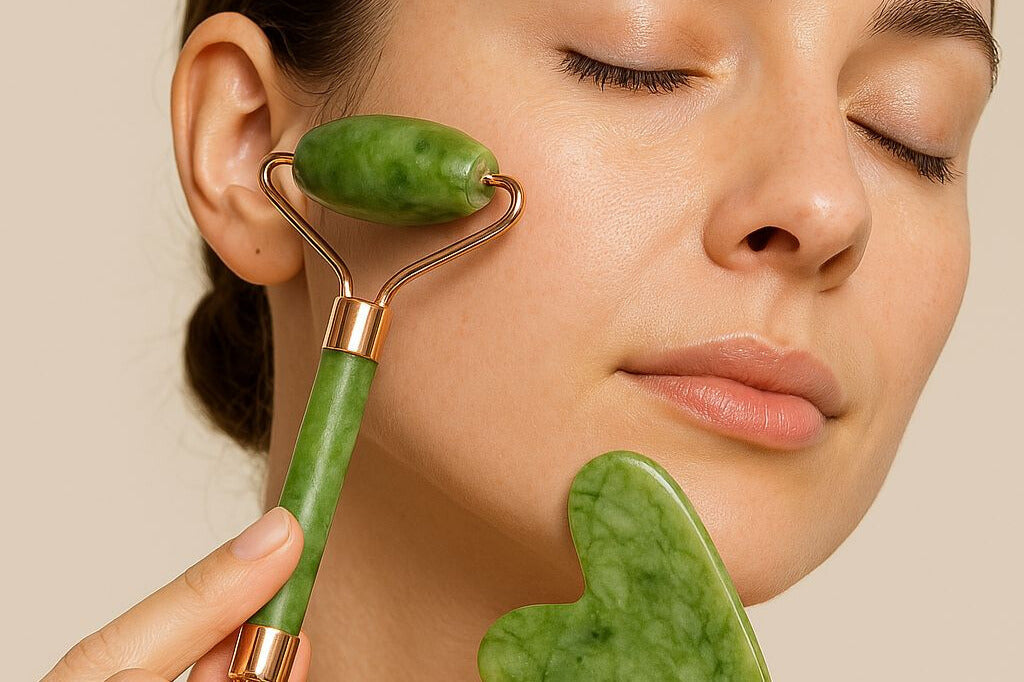
Image Source: loveindus.com
Why Choose Facial Massager Tools? The Core Perks
Many people wonder about the benefits of using a facial massager. The answer lies in simple mechanics and ancient practices. These tools work by providing gentle pressure and movement to the face. This action helps move stagnant fluid, relax tight muscles, and bring fresh blood to the skin’s surface.
Decongesting and Brightening
One major perk is reducing morning puffiness. Stagnant fluid, known as lymph, can build up overnight. Gentle massage strokes encourage this fluid to move away from the face. This leads to a less puffy, more rested appearance. Good movement also brings oxygen and nutrients to the skin cells. This often results in a brighter, healthier glow right away.
Supporting Muscle Relaxation
Facial tension is common. We hold stress in our jaws, foreheads, and around our eyes. Using a massager helps release this built-up tension. Relaxing these tight spots can soften the look of fine lines caused by constant frowning or squinting. This is a key part of anti-aging facial massage.
Enhancing Product Absorption
When you use your favorite serums or oils, you want them to work well. Massaging the skin gently after applying products can help them sink in better. The light pressure opens up the skin slightly, allowing ingredients to penetrate deeper than just rubbing with your hands might achieve.
Improving Circulation with Facial Tools
Massaging stimulates blood flow directly beneath the skin. Improving circulation with facial tools means more oxygen-rich blood reaches the skin. This fresh supply of blood helps the skin look vibrant and healthier over time. Better blood flow also supports the skin’s natural renewal process.
Types of Facial Massagers: Picking Your Perfect Partner
Not all facial tools look the same. The market offers several popular options, each with unique materials and shapes. Knowing the differences helps you choose the right one for your needs.
Jade Roller vs Gua Sha: A Head-to-Head Look
Many people start their journey by choosing between a roller and a flat stone. They are often grouped together but serve slightly different functions.
| Feature | Jade Roller | Gua Sha Stone |
|---|---|---|
| Main Action | Rolling, gentle pressure | Scraping, deeper pressure |
| Best For | Reducing puffiness, cooling the skin | Muscle release, contouring |
| Technique Focus | Quick, sweeping motions | Specific, long strokes |
| Ease of Use | Very easy for beginners | Requires slightly more practice |
The jade roller vs gua sha debate is often about technique preference. Rollers are simple for quick depuffing. Gua Sha tools require learning specific facial massage techniques to effectively sculpt and release tension.
Electric Facial Massager Guide
For those who prefer power assistance, the electric facial massager guide covers vibrating or microcurrent devices.
- Vibrating Rollers: These tools use fast vibrations to stimulate the skin. This motion is excellent for boosting circulation quickly and helping products penetrate deeper.
- Microcurrent Devices: These high-tech tools send tiny, safe electrical currents through the skin. This current mimics the body’s natural electrical signals. Many users find these tools excellent for at-home facial toning by working the underlying facial muscles.
Mastering Facial Massage Techniques: Step-by-Step Guide
To get the most from your tool, you must use proper facial massage techniques. Always start clean and lubricated. Never drag dry skin.
Prep Work: Getting Ready for the Massage
Preparation is key to safety and effectiveness.
- Cleanse Thoroughly: Wash your face to remove all makeup, dirt, and oil. Your skin must be perfectly clean.
- Apply Lubricant: Use a generous amount of facial oil, rich serum, or moisturizer. This prevents pulling or tugging on the skin. The tool needs to glide, not stick.
- Tool Temperature (Optional): Many prefer cold tools. Place rollers in the fridge for 10–15 minutes before use. Coldness enhances de-puffing effects.
The Golden Rule: Always Move Up and Out
The core principle of most facial massage techniques is to work against gravity and toward the lymph nodes. Lymph nodes are located near your ears and collarbones. You want to sweep fluid toward these drainage points.
How to Use Facial Roller Correctly (For Rollers)
Rollers are great for broad strokes and quick stimulation.
Forehead and Brows
- Start at the center of your forehead.
- Roll gently upward toward the hairline. Use slow, steady movements.
- Roll outward toward your temples. Repeat five times per side.
Under the Eyes and Cheeks
- Use the smaller end of the roller for the delicate eye area.
- Roll from the inner corner of the eye outward toward the ear. Keep the pressure very light here.
- For the cheeks, place the roller in the middle. Roll up and out toward your hairline, just beneath your cheekbones. This is great for lifting.
Jawline and Neck
- Start under the chin. Roll along the jawbone up toward the ear. This motion defines the jaw.
- For the neck, always roll upward, starting at the base of the neck and moving toward the jawline. This supports lymphatic drainage facial massage.
Gua Sha Application: Sculpting and Releasing Tension
Gua Sha requires slightly more intentional pressure to release fascial tightness.
Neck and Décolletage
- Use the long edge of the stone. Angle it about 15 degrees against the skin.
- Sweep downward from the jaw toward the collarbone. This is one of the most important steps for lymphatic drainage facial massage.
Jaw and Cheek Contouring
- Use the concave (curved) side of the Gua Sha tool.
- Place it along the jawline. Use firm but comfortable pressure. Scrape upward and outward along the bone structure toward the ear.
Brow Bone and Eye Area
- Use the pointed or small curved tip.
- Gently scrape upward along the brow bone toward the hairline. This technique helps relax tension headaches often held in the brow area.
Deep Dive: Lymphatic Drainage Facial Massage
Lymphatic drainage facial massage is a primary goal for many facial tool users. The lymphatic system cleans waste from tissues. Unlike blood circulation, the lymph system needs movement to work.
Mapping the Drainage Paths
To effectively drain lymph, you must guide the fluid to the nodes where it can be filtered out:
- Pre-auricular Nodes: Located just in front of the ears.
- Submandibular Nodes: Located just under the chin.
- Supraclavicular Nodes: Located right above the collarbones.
When using your roller or Gua Sha, the last few strokes for any area should direct the flow toward these points. For example, after sweeping your cheekbone upward, you finish with a gentle sweep down the side of the face toward the ear.
Pressure Matters in Drainage
For effective lymphatic drainage, the pressure must be light. Lymph vessels are close to the surface of the skin. Deep pressure activates the blood vessels (making you red), but light, sweeping pressure moves the lymph fluid effectively. Think of it as gently skimming the surface rather than digging deep.
Integrating Tools into Your Routine: Timing and Frequency
Knowing how to use the tool is only half the battle. Deciding when to use it greatly impacts the results you see.
Best Time to Use Facial Massager
The best time to use facial massager depends on your goals:
- Morning: Ideal for reducing morning puffiness and waking up the face. A quick 5-minute session with a cool roller works wonders before makeup application.
- Evening: Excellent for deep relaxation and working in nighttime skincare products. This allows the muscles to relax completely before sleep. It is also the perfect time for deeper anti-aging facial massage if you are targeting tension.
Frequency for Optimal Results
Consistency is more important than duration.
- Daily Use (Recommended): A short 5-minute routine every day yields the best long-term benefits for circulation and tone.
- Intensive Use (3-4 Times a Week): If you are using Gua Sha for deeper muscle work, 15-minute sessions a few times a week can be very effective for at-home facial toning.
Pairing with Products
Ensure the product you apply matches the tool’s goal:
- For Rolling/Vibrating: Thinner serums or essences that absorb quickly.
- For Gua Sha: Thicker, richer facial oils that provide enough slip for deep scraping motions without dragging the skin.
Achieving At-Home Facial Toning
Many people invest in these tools hoping for a “lifted” look. While tools cannot replace the work of professional treatments, consistent use supports muscle health and contour.
Toning with Microcurrent Devices
If you are using an electric tool, especially one employing microcurrent technology, the focus shifts slightly. This is where the electric facial massager guide becomes relevant for true toning.
Microcurrent technology stimulates the facial muscles directly. When these muscles receive gentle stimulation, they contract and relax, much like a workout. Over weeks of consistent use, this can lead to a firmer appearance, contributing significantly to at-home facial toning. Always follow the specific instructions for your device regarding intensity levels and application patterns.
Sculpting and Defining
Regardless of the tool, focus on lifting motions when aiming for contour:
- Sweep across the cheekbones, slightly above where you would normally apply highlighter.
- Lift the skin at the outer edge of the brow and pull toward the hairline.
- Use short, quick, upward presses along the nasolabial folds (smile lines) to encourage lifting.
Caring for Your Tools
To ensure your tools last long and remain hygienic, proper cleaning is essential. Dirty tools spread bacteria onto your clean skin.
Cleaning Protocol
- After Every Use: Wipe the tool immediately with a soft cloth dampened with warm water.
- Disinfecting (Weekly): Use a very mild soap solution or a specific facial tool cleanser. Rinse thoroughly.
- Drying: Pat dry with a clean, soft towel. Never let the tools sit wet, especially if they have metal parts that could rust.
Note for Stone Tools: Natural stones like jade or rose quartz are porous. While they rarely absorb product, cleaning them well after every oil application prevents residue buildup.
Comprehending the Science Behind the Movement
The perceived results from these tools are not magic; they are based on simple physiology that supports skin health.
Breaking Down Stagnation
When you press and glide across the face, you mechanically break up any congestion or stagnation under the skin. This congestion is often trapped water or metabolic waste products. By moving this fluid toward the lymph ducts, the face looks less swollen and more defined. This mechanical action is the basis of effective lymphatic drainage facial massage.
Collagen Support
While tools don’t directly create massive amounts of new collagen like lasers do, the consistent boost in blood flow helps feed the fibroblasts—the cells responsible for collagen production. Improving circulation with facial tools provides the optimal environment for healthy skin structure to maintain its firmness over time, supporting the overall goal of anti-aging facial massage.
Frequently Asked Questions (FAQ)
Q1: How long does it take to see results from using a facial massager?
You may see immediate, temporary results like reduced puffiness within minutes, especially if you use a chilled roller in the morning. For more lasting effects like improved muscle tone or reduction in chronic puffiness, consistency is key. Most users report noticeable improvements in skin texture and firmness after four to six weeks of daily use.
Q2: Can I use my facial roller or Gua Sha over sheet masks?
Yes, this is a popular technique! If you are using a thinner sheet mask that adheres well to the skin, you can gently roll or scrape over it. This helps press the mask serum deeper into the skin. However, be extremely gentle to avoid tearing the mask.
Q3: Is it okay to use a facial massager tool if I have active acne or breakouts?
It is generally best to avoid using facial massage tools directly on active, inflamed acne lesions. The pressure can spread bacteria and cause irritation or scarring. Focus your massage on areas free of breakouts. If you have cystic acne, consult your dermatologist first.
Q4: Should I press hard when doing facial massage techniques?
No. For lymphatic drainage facial massage and general depuffing, use very light pressure—just enough to move the skin slightly. For Gua Sha techniques targeting muscle tension (like the jaw), you can use firmer pressure, but it should never be painful. If you see red streaks or broken capillaries, you are pressing too hard.
Q5: What is the main difference between how to use a facial roller correctly versus a Gua Sha?
Rolling is about continuous, gentle sweeping motion, often repeated many times over a larger area, ideal for depuffing and simple product application. Scraping with Gua Sha involves angled strokes with controlled, sweeping pressure designed to lift tissue and release fascial adhesions, requiring more focused learning of facial massage techniques.