
A brushless power tool uses an electric motor that lacks physical carbon brushes to transfer power to the rotor. Instead, these modern motors use magnets and electronic switches for power delivery.
The world of power tools is constantly changing. Newer tools offer more power and last longer. Brushless tools lead this new generation. They are replacing older, traditional brushed motors in many devices, from drills to saws. If you are looking to buy new tools, knowing about brushless motor technology is very important.
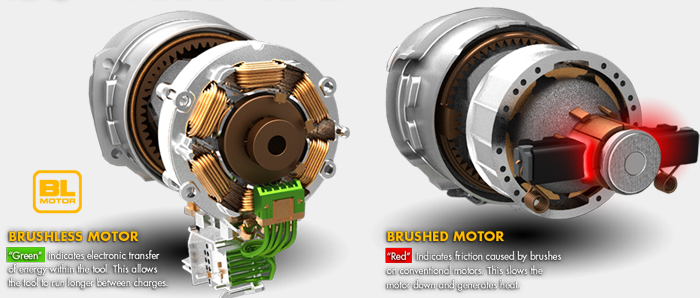
Image Source: ibtinc.com
Deciphering Brushless Motor Technology
To fully grasp what a brushless tool is, we first need to look at how traditional motors work.
Brushed Motors: The Old Way
Older tools use a brushed motor. These motors rely on physical contact. Carbon blocks, called brushes, rub against a part called the commutator. This rubbing action creates the spark needed to keep the motor spinning.
Think of it like rubbing two sticks together to make fire. It works, but it creates friction and wears things out fast.
Drawbacks of Brushed Motors:
* Brushes wear out over time.
* They create friction, which wastes energy as heat.
* They need more power to do the same work as a brushless motor.
* They often require replacement or cleaning.
Brushless Motors: The Modern Approach
Brushless motor technology changes this design completely. There are no carbon brushes. Instead, the motor uses electronic switches managed by a small computer chip inside the tool.
In a brushless motor:
1. The magnets are fixed to the casing (the stator).
2. The wire coils are on the spinning part (the rotor).
3. Sensors tell the electronic controller the exact position of the rotor.
4. The controller sends electricity to the coils in the right sequence, making the rotor spin powerfully.
This electronic control is key. It allows for very precise power delivery. This is why brushless motor efficiency is so much higher than older designs. These motors are often called DC brushless tools because they run on direct current, managed electronically.
Fathoming the Core Benefits of Going Brushless
Switching from brushed to brushless motors brings many clear advantages. These benefits directly impact how you use and maintain your tools.
Superior Power and Performance
Brushless motors deliver more power for their size. Since there is no friction from brushes, almost all the battery’s energy goes straight into spinning the tool.
- Higher Torque: Brushless tools often boast better twisting force. This is great for tough jobs like driving large screws or drilling into hard materials. Many people find the advantages of brushless drills immediately noticeable.
- Faster Speeds: They can spin faster, meaning you can complete tasks quicker.
Increased Battery Life
This is one of the biggest selling points for many users, especially those relying on cordless power tool benefits.
Because brushless motors are much more efficient, they use less battery power to do the same amount of work. This means one battery charge lasts significantly longer. If you use your tool all day, this saves time spent recharging.
Longevity and Durability
Friction is the enemy of machines. Since brushless motors lack the rubbing brushes, there is far less wear and tear inside the motor housing.
This lack of moving parts means the motor lasts much longer. Brushless motor longevity is typically several times greater than that of a comparable brushed motor. They are truly maintenance-free power tools in the sense that you never need to replace worn brushes.
Better Control and Smarter Tools
The electronic controller that runs the motor also allows for smart features. This system enables electronic speed control power tools.
The tool can react instantly to the load. If you push a brushless saw harder, the electronics instantly send more power. If you ease up, it conserves energy. This leads to smoother operation and better results.
Brushless vs Brushed Tools: A Direct Comparison
To make the choice clearer, comparing them side-by-side is helpful.
| Feature | Brushless Tools | Brushed Tools |
|---|---|---|
| Motor Design | Electronic switching, magnets | Physical carbon brushes, commutator |
| Efficiency | Very High (less wasted energy) | Moderate (energy lost to friction/heat) |
| Lifespan | Long; very durable | Shorter; brushes wear out |
| Maintenance | Very low; essentially maintenance-free power tools | Requires occasional brush replacement |
| Size/Weight | Often smaller and lighter for the same power | Typically larger and heavier |
| Cost | Higher initial purchase price | Lower initial purchase price |
| Noise | Quieter operation | Louder due to brush friction |
Weighing the Cost Factor
The primary reason many people still buy brushed tools is the initial cost. Brushless tools cost more upfront. This is because the motors require more complex components, like the electronic controller board.
However, when looking at the total cost of ownership—factoring in longer tool life, less downtime, and greater battery efficiency—the higher price of brushless tools often pays for itself quickly.
Key Applications for Brushless Technology
Brushless motor applications are widespread today. This technology is not just for high-end professional gear; it is becoming standard across consumer lines.
Brushless Drills and Impact Drivers
This is where the difference is most felt. The advantages of brushless drills include superior battery life during repetitive tasks like driving long screws. Impact drivers benefit greatly from the precise power delivery, offering more consistent torque control.
Saws and Grinders
In tools that require sustained high power, like circular saws, reciprocating saws, or angle grinders, brushless motors maintain speed even when cutting dense material. They don’t bog down as easily as brushed models.
Outdoor Power Equipment
You increasingly see this technology in leaf blowers, string trimmers, and chainsaws. Brushless motor efficiency is crucial here because battery runtime directly affects how much yard work you can complete on a single charge.
Selecting Your Next Power Tool: A Buyer’s Guide
When shopping for new power tools, deciding between brushless and brushed requires looking at how you plan to use the tool.
Assessing Your Needs
Ask yourself these questions before buying:
- How often will I use this tool? If you use a tool daily or work on heavy construction, the longevity and efficiency of brushless tools are worth the extra cost.
- Is portability and battery life critical? For site work where outlets are scarce, maximizing cordless power tool benefits through brushless design is essential.
- What is my budget? If you only need a tool for occasional light household repairs, a basic brushed model might suffice.
Examining Tool Specifications
When comparing models, don’t just look for the “brushless” label. Check these specific details:
Motor Amperage or Voltage
Higher voltage (e.g., 20V vs. 12V) usually means more raw power, regardless of the motor type. However, a 20V brushless tool will still outperform a 20V brushed tool due to efficiency.
Runtime Ratings
Manufacturers sometimes provide run-time estimates comparing models. Look for data showing how many screws a brushless driver can sink versus a brushed one on the same battery pack.
Heat Management
Because brushless motors run cooler due to minimal friction, they are less likely to overheat and shut down during long, strenuous tasks.
Battery Platform Consistency
Most major tool brands offer their high-end and DC brushless tools on specific battery platforms (e.g., 18V, 20V Max, 40V). Buying into one system allows you to swap batteries between all your tools, which is a huge plus for convenience and cost savings over time. Ensure the brushless version of the tool you want is compatible with your existing battery system.
Deep Dive into Maintenance and Longevity
One of the most appealing aspects of modern brushless motor technology is the reduction in necessary maintenance.
What Maintenance Do Brushed Tools Need?
Brushed motors are wear items. Over time, the carbon brushes wear down. If you use a brushed tool heavily, you might need to replace the brushes every few hundred hours of use. If you ignore this, the tool stops working, or the worn brushes damage the commutator, leading to costly repairs or replacement.
The Brushless Advantage: Near Zero Maintenance
With DC brushless tools, this entire maintenance step is gone. The electronics handle the commutation perfectly, eliminating physical contact points that wear down.
This translates directly into maintenance-free power tools for the user. You primarily need to maintain the exterior: keeping the vents clear of dust and debris, and ensuring the battery contacts are clean. This reliability is a huge factor for professionals who cannot afford tool failure during a job.
The combination of efficient power delivery and reduced internal wear contributes directly to the extended brushless motor longevity. This durability makes them a sound long-term investment.
Comprehending Electronic Speed Control Power Tools
The electronic controller inside a brushless tool is far more than just a substitute for brushes; it adds intelligence to the motor. This is what allows for electronic speed control power tools.
Smooth Starts and Precision
In many applications, starting a tool slowly is vital. Think about starting a drill bit on a slippery surface or beginning to sink a screw without stripping the head.
The electronic controller ramps up power gradually. This smooth ramp-up prevents sudden jerks that can damage the workpiece or cause the user to lose control.
Load Management
When a traditional brushed tool hits resistance (a thick knot in wood, for instance), it slows down, often dramatically, until the load lessens or the motor overheats.
Brushless systems sense this load change almost instantly. The controller compensates by sending a precise surge of power to maintain the set RPM or torque level. This responsiveness is crucial when performing precision work where consistent speed matters.
Real-World Scenarios Highlighting Brushless Superiority
Consider two scenarios comparing a standard brushed tool against a newer brushless counterpart.
Scenario 1: Building a Deck
You need to drive 300 exterior-grade screws into treated lumber beams.
- Brushed Driver: After 150 screws, the battery is draining noticeably fast. The tool feels hot. You might need to stop to switch batteries halfway through.
- Brushless Driver: Due to brushless motor efficiency, the driver powers through all 300 screws on a single battery charge. The tool remains cooler throughout the process, ensuring consistent performance until the very last screw. This maximization of cordless power tool benefits is clear here.
Scenario 2: Drilling Concrete Foundation Holes
You need to drill several deep holes using a hammer drill attachment for anchors.
- Brushed Hammer Drill: The motor struggles to maintain speed when the bit binds slightly in the aggregate. The user has to frequently stop to let the motor cool down.
- Brushless Hammer Drill: The electronic controls instantly provide necessary bursts of torque to power through the dense spots. The user maintains a steady pace, significantly cutting down the total drilling time. This showcases the advantages of brushless drills in high-torque situations.
Addressing Common Misconceptions: Brushless vs. Brushed Tools
There are still a few lingering doubts about the new technology. Let’s clear up some common comparisons between brushless vs brushed tools.
Misconception 1: Brushless tools are fragile.
Reality: While the electronics board is sensitive to severe moisture or extreme impact, the motor itself is more robust due to fewer moving parts. The electronic protection systems often shut the tool down before severe damage occurs.
Misconception 2: Brushless tools don’t need batteries.
Reality: All DC brushless tools run on batteries (unless they are corded versions, which still use the brushless motor design). They simply use the battery power much more wisely.
Misconception 3: Brushless tools are only for experts.
Reality: While professionals benefit most from longevity, the improved ease of use—smoother starting, better balance, and longer runtimes—makes brushless tools excellent for serious DIYers and homeowners alike. The improved control makes frustrating tasks simpler for everyone.
Future Trends in Motor Technology
The trend is overwhelmingly moving towards brushless systems. As manufacturing costs for the microprocessors used in controllers drop, the price gap between brushless vs brushed tools continues to shrink.
We can expect to see even smarter integration. Tools may communicate battery status and usage history directly to your smartphone via Bluetooth. The increased focus on brushless motor applications suggests that nearly all performance-critical power tools will adopt this design as the new standard within the next decade. Manufacturers are investing heavily because the efficiency gains are too significant to ignore, especially with battery-powered devices.
Frequently Asked Questions (FAQ)
Are brushless power tools worth the extra money?
For most regular or heavy users, yes. While the initial cost is higher, the benefits of longer runtime, superior power, and dramatically increased tool lifespan (due to being maintenance-free power tools) often make them cheaper over the long run.
Do brushless tools use a different kind of battery?
Not necessarily. Many manufacturers use the same battery pack voltage (e.g., 18V or 20V) for both their brushed and brushless lines. However, the brushless tools are designed to draw maximum performance from those batteries, maximizing cordless power tool benefits.
Can I convert a brushed tool to brushless?
No. The motor design is fundamentally different. You cannot simply swap the motor out. Brushless DC brushless tools rely on an internal controller that must be integrated into the tool housing.
Why are brushless motors cooler than brushed motors?
The heat in brushed motors is largely created by the physical friction between the brushes and the commutator. Since brushless motors rely on magnetic fields and electronic switching, they eliminate this friction, leading to brushless motor efficiency and significantly less waste heat.
What is the main trade-off when choosing brushless over brushed?
The main trade-off is the initial purchase price. Brushless tools are more expensive upfront compared to their brushed counterparts, even if they offer better long-term value.