
Have you ever spent hours crafting a beautiful wooden project, only to have the joints pull apart a few weeks later? There is nothing more frustrating than watching your hard work fail because of a weak bond. A simple mistake in choosing the right glue can turn a masterpiece into a pile of scrap wood.
The hardware store aisle is often overwhelming. With dozens of bottles promising “extra strength” or “instant hold,” it is easy to feel confused. Do you need a waterproof formula for your outdoor table, or a quick-drying version for your indoor shelves? Choosing the wrong adhesive can lead to messy drips, brittle joints, or projects that simply cannot stand the test of time.
In this guide, we will take the guesswork out of your next woodworking project. You will learn the hidden differences between common adhesives like PVA, polyurethane, and epoxy. We will explain exactly which glue works best for specific wood types and environmental conditions. By the end of this post, you will have the confidence to pick the perfect bottle every single time.
Ready to build projects that stay together for a lifetime? Let’s dive into the essential details of wood adhesive glue and find the right match for your workshop.
Top Wood Adhesive Glue Recommendations

- Complete Projects Fast: Requires only 20-30 minutes of clamp time; fully cured in 24 hours. Quickly creates an incredibly strong bond for wood projects.
- Use Indoors or Outdoors: Passes ANSI/HPVA Type II water resistance. Can be used for all sorts of woodworking projects and repairs as an interior or exterior glue.
- Versatile: Ideal for use on hardwoods; softwoods; and natural wood composites. Is a great wood super glue for a wide variety of wood types and materials.
- Dries Natural Color: Offering a natural bond line with no foaming. Is also paintable and sandable to accommodate for different wood colors and project needs.
- Easy-To Use & Water-Based Adhesive: PVA glue that is easy to use and clean up if needed. Simply wipe off glue when wet and shave or sand when hardened. Remove from hands with warm soap and water.

- Provide a much stronger bond than the wood itself
- Offer excellent heat-resistance and are very easy to sand
- Are water cleanup while still wet
- Provide strong initial tack and a 30-minute clamp time
- Conform to ASTM D4236 – Non-toxic and safe to use
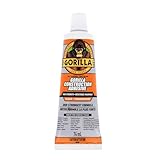
- Our strongest formula: This heavy duty glue is 2x stronger than Gorilla Heavy Duty Construction Adhesive Ultimate
- Crystal clear: Clear Gorilla glue leaves a discreet finish to keep the focus on your project, not the glue
- All purpose glue: A waterproof glue formulated for virtually all projects and repairs; this Gorilla glue gives indoor or outdoor projects a Gorilla Tough bond, even under water
- Paintable: Because this adhesive glue works on so many surfaces, it's paintable for any finish that you prefer
- Gap filling: Gorilla Glue Construction Adhesive also works as a gap filling adhesive caulk for in-home projects

- This item is a Franklin International 5063 Titebond Original Wood Glue, 8-Ounce
- Purpose of use for Hardware, wood-glues
- This product is manufactured in United States
- Bonds stronger than wood
- Fast Set - Short Clamp Time
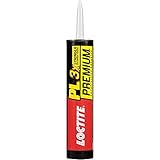
- All Purpose: One component polyurethane-based adhesive that covers a wide variety of projects and bonds to most materials for consistently successful results
- 3X Stronger: 3 times as strong as ordinary construction adhesives and stronger than many substrates it joins together
- Versatile: Ideal for sub floor installations and bonds to most common construction materials such as wood, OSB, drywall, brick, concrete, masonry, stone, foam insulation, metal, ceramic, PVC, and more
- Interior and Exterior: Paintable adhesive with no strong solvent odor that sets in 30 minutes and fully cures in 24 hours for projects inside and out
- Weather Resistant: Waterproof and can be applied directly to wet and frozen surfaces without shrinking and cures in cold temperatures

- BONDING POWER: Engineered to provide a high-performance instant fix for both everyday household repairs and heavy-duty industrial tasks.
- 300% MORE CONTENT: Stop overpaying for tiny tubes; our massive 50g professional supply outlasts standard adhesive brands for your largest DIY projects.
- RAPID DRYING FORMULA: Reaches maximum handling durability in seconds with a crystal-clear finish that remains invisible on intricate crafts.
- AIRTIGHT PRECISION TIP: Designed with an anti-clogging safety cap to ensure a consistent flow and prevent dry-outs for long-term storage.
- Invisible finish, no residue: Dries clear on most materials – perfect for visible areas, decorative items or surfaces that must remain clean and seamless.

- Use indoors or outdoors: Give your indoor or outdoor projects a Gorilla Tough bond with waterproof Ultimate Gorilla Wood Glue (passes ANSI/HPVA Type I), our most durable wood glue
- Extended working time: This Gorilla glue has an extended working time of 15 minutes before it forms an incredibly strong bond that withstands water, the sun, and extreme temperatures
- Versatile: Our wood glue for woodworking and repairs cures to a natural tan wood color, making it ideal for use on hardwoods, softwoods, and natural wood composites
- Clean finish: With a natural bond line and no foaming, this sandable and paintable super glue for wood can be finished any way that you prefer
- Easy to use water-based adhesive: Our PVA glue is easy to use for a perfect addition to your carpentry tools; Remove from hands with warm soap and water

- Item Weight: 0.417 lb
- Country of Origin: China
- Color: Tan
- Brand name: Titebond
The Ultimate Buying Guide: Choosing the Best Wood Adhesive Glue
Selecting the right wood glue can make or break your woodworking project. Whether you are building a bookshelf or fixing a broken chair, the right adhesive creates a bond stronger than the wood itself. Use this guide to find the perfect glue for your needs.
Key Features to Look For
Not all glues are the same. Look for these important features when you shop:
- Drying Time: Some glues set in minutes, while others give you more time to align your pieces.
- Water Resistance: Check the label to see if the glue can handle moisture or outdoor weather.
- Color: Choose a glue that dries clear or matches the color of your wood to keep your project looking clean.
- Viscosity: A thicker glue stays where you put it, while a thinner glue flows into tight cracks.
Understanding Important Materials
Most wood glues fall into three main categories. Understanding these materials helps you choose the right one:
- PVA (Polyvinyl Acetate): This is the most common yellow or white wood glue. It is easy to use, non-toxic, and dries very hard.
- Polyurethane: This glue is waterproof and very strong. It expands as it dries, so you must use it carefully.
- Hide Glue: Many professional furniture makers prefer this traditional choice. It allows you to take joints apart later if you apply heat.
Factors That Improve or Reduce Quality
Even the best glue will fail if you do not use it correctly. Quality is affected by these factors:
- Surface Preparation: Always sand your wood surfaces lightly before applying glue. Clean wood holds better than dusty wood.
- Clamping Pressure: Glue needs pressure to form a bond. Always use clamps to hold the pieces together while the glue dries.
- Temperature: Most glues do not work well in freezing temperatures. Keep your workspace warm for the best results.
- Shelf Life: Check the expiration date. Old glue will not stick, even if it looks normal in the bottle.
User Experience and Use Cases
Consider how you plan to use the glue. If you are working on a large table, you need a glue with a longer “open time.” This gives you more time to adjust the boards. If you are making small crafts, a fast-setting glue is better. Always test the glue on a scrap piece of wood first. This helps you understand how it flows and how fast it sets.
Frequently Asked Questions
Q: Does wood glue really become stronger than the wood?
A: Yes. When applied correctly, a high-quality PVA glue creates a bond that is stronger than the wood fibers themselves.
Q: How long should I leave the clamps on?
A: Most glues require at least 30 to 60 minutes of clamping. However, you should wait 24 hours for the glue to reach its maximum strength.
Q: Can I use wood glue on metal or plastic?
A: No. Wood glue is designed specifically to soak into wood fibers. It will not stick well to non-porous surfaces like metal or plastic.
Q: Is wood glue toxic?
A: Most standard PVA wood glues are non-toxic and safe to handle. Always check the label for specific safety warnings.
Q: How do I remove excess glue?
A: Wipe away wet glue with a damp cloth immediately. If the glue has dried, you will need to scrape or sand it off.
Q: Does wood glue expire?
A: Yes. Most wood glues last about one to two years. If the glue becomes lumpy or very thick, it is time to buy a new bottle.
Q: Can I paint over wood glue?
A: Some glues accept paint, while others block it. If you plan to stain or paint your project, look for a “paintable” or “stainable” glue.
Q: Why did my glue joint fail?
A: The most common reasons are not using enough clamping pressure, using old glue, or having too much dust on the wood surface.
Q: Should I apply glue to both sides of the wood?
A: Yes. Applying a thin layer to both surfaces ensures a more even bond and better coverage.
Q: Can I thin out my wood glue with water?
A: It is not recommended. Adding water changes the chemical balance and makes the bond much weaker.