
A cut-off saw is a powerful rotary tool that uses a thin, abrasive wheel or a specialized blade to quickly slice through hard materials like metal, concrete, tile, and masonry. This tool is essential for making straight, fast cuts in various construction and fabrication jobs.
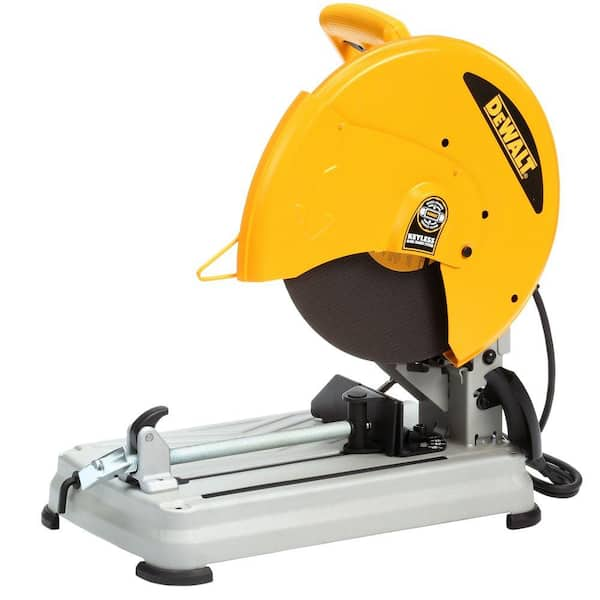
Image Source: images.thdstatic.com
Exploring the Basics of the Cut-Off Saw
The cut-off saw, sometimes called a chop saw or a cutoff wheel, is built for speed and power. It spins an abrasive disc at very high speeds. This spinning action grinds away material, leaving a clean cut behind. These saws are indispensable power tools for cutting metal and other tough materials on job sites.
The Core Components of a Cut-Off Saw
To grasp how these machines work, it helps to know their main parts. Most cut-off saws share several key components:
- Motor: Provides the power to spin the blade very fast.
- Arbor: The shaft where the cutting wheel attaches.
- Wheel/Blade: The abrasive disc or specialized blade that does the cutting.
- Guard: A safety shield that covers most of the spinning wheel.
- Trigger/Switch: Turns the saw on and off.
Distinguishing Similar Tools
People often confuse the cut-off saw with other cutting tools. Knowing the difference helps you choose the right one.
Miter Saw vs Cutoff Saw
The main difference lies in their primary function and blade type.
| Feature | Miter Saw | Cut-Off Saw |
|---|---|---|
| Primary Use | Precise angle cuts on wood or sometimes soft metal. | Fast, aggressive cutting through hard materials. |
| Blade Type | Toothed blade designed for chipping wood fibers. | Abrasive wheel or specialized carbide-tipped metal blade. |
| Movement | Often pivots on a hinge for angle adjustment. | Usually pushes straight down onto the material. |
The miter saw vs cutoff saw comparison shows that while both spin, their design goals are very different: precision angle work versus raw cutting power.
Common Cut Off Saw Uses
The versatility of the cut-off saw makes it a favorite tool across many trades. Its primary strength is cutting hard, thick materials quickly.
Chop Saw Uses in Fabrication
When we talk about chop saw uses, we usually focus on metalwork. A chop saw, often a variation of the cut-off saw mounted on a stand, is great for:
- Cutting pipes and tubing to length.
- Slicing through angle iron or square tubing.
- Making quick cross-cuts on rebar.
- Trimming stock material before welding.
Cut-Off Tool Applications Beyond Metal
While metal cutting is common, cut-off tool applications extend further:
- Masonry Work: Cutting bricks, concrete blocks, or pavers.
- Tile Installation: Making straight cuts on ceramic or stone tiles.
- Demolition: Slicing through embedded metal pipes or bolts during tear-down.
- Automotive Repair: Cutting through exhaust systems or old bolts when disassembly is tough.
Types of Cut-Off Saws
Cut-off saws come in several forms based on how they generate sparks and how they are powered. The most common division is between abrasive saws and cold saws.
Types of Abrasive Cutoff Saws
Abrasive saws use a grinding wheel made of composite material (like aluminum oxide) bonded together. These saws generate a lot of heat and sparks. Types of abrasive cutoff saws are often categorized by their portability and size:
Portable Abrasive Saw
This is the handheld version. It looks much like a large circular saw but uses an abrasive disc instead of a toothed blade.
- Features: Lightweight (relatively), easy to carry to the work area.
- Ideal For: Quick jobs, cutting rebar on the ground, or cutting sheet metal where moving the material is hard. A portable abrasive saw is a site necessity.
Benchtop or Stationary Abrasive Saw
These are larger and are usually mounted to a sturdy workbench or stand. They offer more power and stability for repetitive cuts.
- Features: More powerful motor, deeper cut capacity, and better dust control when hooked to a vacuum.
Specialized Metal Cutting Saws
For tasks requiring cleaner cuts or less heat, different technologies are used.
Dry Cut Metal Saw
A dry cut metal saw uses a specialized carbide-tipped blade. Instead of grinding the metal away like an abrasive wheel, it uses sharp teeth to shear the material.
- Benefits: Produces significantly less heat and few sparks compared to abrasive saws. The edges are generally cleaner, often requiring less grinding afterward.
Cold Cut Saw vs Abrasive Saw
This comparison is vital for professional welders and fabricators.
| Feature | Cold Cut Saw | Abrasive Saw |
|---|---|---|
| Cutting Action | Teeth shear the material cleanly. | Grinding action using abrasive grit. |
| Heat Generated | Very low; the cut area stays relatively cool. | High; creates visible sparks and hot metal shavings. |
| Blade Life | Very long life; blades can often be resharpened. | Short life; blades wear down quickly. |
| Cut Quality | Excellent, precise, minimal burr. | Rougher, requires cleanup. |
| Cost | High initial investment. | Low initial investment. |
If your main concern is high-volume, high-quality work, the cold cut saw vs abrasive saw debate usually favors the cold cut saw for professional fabrication shops.
Selecting the Right Saw for Your Job
Choosing the correct tool depends on what you are cutting, how often you will use it, and your budget.
Finding the Best Cutoff Saw for Metal
If metal is your primary material, you have a few options. For rough, quick cuts on structural steel, a powerful abrasive saw is fast and cheap to equip.
However, if you need precision and plan to weld the pieces immediately, consider the trade-off. The best cutoff saw for metal might be a high-powered dry cut saw if budget allows, as it minimizes heat distortion and leaves cleaner edges ready for welding. Ensure the motor has enough torque (not just RPM) to handle thick steel without bogging down.
Power Source Considerations
Cut-off saws are typically powered in two ways:
- Electric (Corded): Offers consistent, high power for long jobs. Check the amperage rating—higher amps usually mean better cutting ability in thick stock.
- Pneumatic (Air): Used heavily in industrial settings or body shops where explosion-proof tools are needed. They require a powerful air compressor.
- Battery-Powered: Becoming more common, battery models offer great portability for field work but may lack the sustained power of corded versions for very deep cuts.
How to Use a Cutoff Saw Safely and Effectively
Safety is the number one priority when operating these fast-spinning, high-energy machines. How to use a cutoff saw involves preparation, correct technique, and strict adherence to safety rules.
Safety First: Essential Precautions
Never operate a cut-off saw without proper personal protective equipment (PPE).
- Eye Protection: Wear safety goggles and a full face shield. Abrasive wheels can shatter, sending debris flying at high speed.
- Hearing Protection: These saws are extremely loud. Use earplugs or earmuffs.
- Respiratory Protection: Abrasive cutting creates fine dust (silica dust from concrete, metal filings). Wear a quality dust mask or respirator.
- Gloves: Wear snug-fitting gloves, but never wear loose clothing or dangling jewelry that could get caught.
Preparing the Saw and Material
Before turning the key, make sure everything is set up correctly.
- Check the Wheel: Ensure the abrasive wheel is rated for the RPM of your saw. Never use a cracked or damaged wheel.
- Secure the Guard: The blade guard must be in place and functional.
- Clamp the Workpiece: This is crucial. The material must be firmly clamped to the table or base. If the material shifts during the cut, the wheel can bind, causing dangerous kickback.
The Cutting Process
Use a steady, controlled motion. Do not force the saw.
- Start the Saw: Let the saw reach full speed before touching the material.
- Begin the Cut: Gently lower the spinning wheel into the material. Let the abrasive action do the work. Pushing too hard slows the motor and damages the wheel.
- Maintain the Angle: If using a chop saw style, keep the saw perpendicular to the material unless you intend an angle cut.
- Finish the Cut: Once you have cut through, keep the saw running until you have fully withdrawn the wheel from the cut line. Turn the saw off, wait for the wheel to stop spinning completely, and then remove the finished piece.
Maintenance and Troubleshooting
Like all power tools for cutting metal, cut-off saws require regular upkeep to perform well and last long.
Routine Maintenance Checks
Keep your saw clean and sharp (or its wheel fresh).
- Wheel Replacement: Replace abrasive wheels as soon as they wear down to half their original diameter. The exposed surface area determines how effectively it cuts.
- Ventilation: Keep the motor vents clear of dust and debris. Overheating is a primary cause of motor failure.
- Cord Inspection: Check power cords frequently for cuts or fraying, especially on portable models that get dragged around.
Troubleshooting Common Issues
| Problem | Possible Cause | Simple Fix |
|---|---|---|
| Saw bogs down or stalls easily. | Dull wheel or forcing the cut. | Use a new wheel or ease up on the feed rate. |
| Excessive vibration. | Wheel is cracked or improperly mounted. | Shut off immediately, inspect, and replace the wheel. |
| Motor smells hot. | Vents are clogged or motor overworked. | Turn off, let it cool down, and clean the vents. |
Deciphering Material Compatibility
Using the wrong wheel on the wrong material is inefficient and unsafe.
Cutting Ferrous Metals (Steel, Iron)
For general steel cutting, abrasive wheels are standard. However, if you are cutting stainless steel, which is harder and generates more heat, a dry cut metal saw blade is often superior to prevent the material from warping due to excessive heat exposure.
Cutting Non-Ferrous Metals (Aluminum, Copper)
Aluminum melts easily. If you use a standard abrasive wheel, the aluminum can weld itself to the abrasive surface, dulling the wheel rapidly and creating a dangerous buildup.
- Recommendation: Use a specialized blade designed for aluminum or use a very slow, light feed rate with a standard abrasive wheel, checking frequently for wheel loading.
Cutting Concrete and Masonry
When cutting stone or concrete, you must use a masonry blade, which is typically thicker and made of silicon carbide or diamond grit. Never attempt to cut concrete with a metal-cutting wheel.
Comparing Cut-Off Saws to Angle Grinders
Many users ask if an angle grinder can do the job of a cut-off saw. While an angle grinder can use thin cut-off discs, there is a significant difference in setup and performance.
The angle grinder is a handheld tool designed for portability and finishing work. A dedicated cut-off saw (especially a bench-mounted one) offers:
- Stability: The material stays put, leading to safer, straighter cuts.
- Power: Cut-off saws usually have much larger motors built for sustained cutting pressure.
- Depth: A larger diameter wheel allows for deeper penetration in a single pass.
For making multiple, precise cuts, the dedicated saw is always the better choice over relying on the grinder.
Frequently Asked Questions (FAQ)
Q1: Can I use a wood cutting blade in a cutoff saw?
No. Wood blades have large teeth designed to chip wood fibers. Using them on metal or masonry will cause the blade to shatter instantly due to the high rotational speed and material hardness. This is extremely dangerous.
Q2: How deep can a standard abrasive cutoff saw cut?
This depends heavily on the wheel diameter. A common 14-inch abrasive saw can usually cut about 4 to 5 inches deep in a single pass, depending on the power of the motor.
Q3: What is the main safety concern when operating a portable abrasive saw?
The main concern is abrasive wheel shattering due to misuse, impact, or using a wheel rated for lower RPM than the saw spins. Always check the RPM rating before mounting any new wheel.
Q4: Are cold cut saws louder than abrasive saws?
Generally, cold cut saws are quieter than abrasive saws because they shear the material instead of grinding it, resulting in less high-pitched grinding noise and fewer sparks.
Q5: What materials are best suited for a dry cut metal saw?
Dry cut saws excel with mild steel, stainless steel, and sometimes aluminum. They provide a much better edge finish for fabrication jobs than abrasive wheels do.