
Can you relearn TPMS sensor without tool? Yes, for many vehicles, especially older models or specific makes/models, there are methods to activate tire pressure sensor manually or initiate the system’s learning mode without needing a specialized TPMS scan tool. This guide will show you how to attempt a TPMS relearn procedure without programmer and how to force TPMS sensor activation using common driving patterns or vehicle settings.
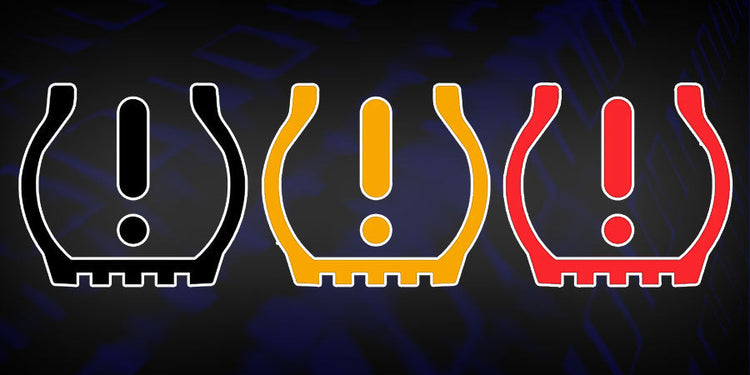
Image Source: gutatpms.com
Deciphering the Need for TPMS Activation
Your Tire Pressure Monitoring System (TPMS) lets you know when a tire is low on air. The system uses sensors inside each wheel to measure the air pressure. When you put on new sensors or move tires around, the car’s computer might not know which sensor is where. It needs to “learn” or “activate” these new signals.
Often, shops use a special tool to wake up the new sensors or tell the car’s computer what they are. But this tool costs money. Many DIYers want to know the trick to reset TPMS light without scanner. We are here to explain the ways you can try this yourself. This process is often called DIY TPMS sensor activation or TPMS sensor training without scan tool.
Why TPMS Sensors Need Activation
When does a sensor need activation? There are a few main reasons:
- You bought new tires and put them on new rims.
- You replaced one or more old TPMS sensors.
- You moved tires from one car to another.
- The battery in an old sensor died, and you replaced it.
- The TPMS light stays on even after fixing the low tire pressure.
The car’s computer needs to “see” all four sensors talking. If it doesn’t, the warning light stays lit. To activate new TPMS sensors manually, you need to wake them up so the car can register them.
Methods to Activate TPMS Sensors Without a Tool
The method used heavily depends on your car’s make and model. Some cars are very simple. Others require specific sequences. Here are the common ways people try to bypass TPMS tool requirement.
Method 1: The Drive Cycle Trick
Many modern vehicles have an automatic TPMS relearn procedure without programmer. They wake up the sensors simply by driving. This is the easiest way to force TPMS sensor activation.
How it Works:
The car is set to look for sensors. When you drive at a certain speed for a certain time, the system starts searching for valid signals. If it finds them, it learns them automatically.
Steps for the Drive Cycle Trick:
- Check Tire Pressure First: Make sure all tires are inflated to the pressure listed on the driver’s side door jamb sticker. This is very important. If pressures are wrong, the system won’t learn.
- Start the Car: Turn the ignition to the “On” position or start the engine.
- Drive Consistently: Drive the car at a steady speed, usually between 30 mph and 50 mph (about 50 km/h to 80 km/h).
- Maintain Speed: Drive for about 10 to 20 minutes without stopping or changing speed too much.
- Check the Light: The TPMS light should turn off during the drive or shortly after stopping.
This method is often used to trigger TPMS sensor without tire rotation if you simply swapped wheels with the same set of sensors.
Method 2: Using Vehicle Settings (The “Relearn Mode”)
Some cars, especially certain Ford, GM, or older European models, have a dedicated menu setting that forces the car into relearn mode. This is a simple trick to reset TPMS light without scanner if the feature is built-in.
Steps for Entering Relearn Mode (General Guide):
- Park Safely: Park the car on level ground.
- Set Proper Pressure: Set all tires to the correct cold pressure.
- Enter Relearn Mode: This step varies greatly:
- GM Vehicles (Some Models): Turn the ignition ON. Press and hold the brake pedal. Turn the ignition OFF, then ON again three times, ending in the ON position. The horn may honk once or twice, or the lights may flash, showing it is in learn mode.
- Ford/Lincoln/Mercury (Older Models): Sometimes you can cycle the ignition key between ON and OFF positions rapidly (up to 8 times) until the horn honks.
- Chrysler/Dodge/Jeep (Specific Years): You might need to cycle the key three times quickly, then hold the brake pedal down while turning the key to ON.
What to Do After Entering Relearn Mode:
Once the car confirms it is in relearn mode (usually by a horn sound or flashing lights), you must activate tire pressure sensor manually in a specific sequence. You start at the driver’s side front tire and work your way around the car clockwise or counter-clockwise, as specified by the car manual.
Method 3: Sequential Activation (The Horn and Hazard Light Method)
For vehicles that require sequential activation, you must trigger each sensor one by one after putting the car into relearn mode (see Method 2).
How to Trigger an Individual Sensor Manually:
Since you cannot use a scan tool to “ping” the sensor, you need something that mimics the necessary shock or signal.
- Inflating/Deflating: Sometimes, rapidly adding or releasing air from the tire valve stem will momentarily boost the sensor’s signal, waking it up.
- Valve Stem Tapping: Gently tapping the metal valve stem repeatedly with a plastic or rubber object can sometimes send enough vibration to the sensor to make it transmit its ID code.
- Using a Magnet (Use Caution!): Many older TPMS sensors use a magnetic reed switch to initiate transmission. By placing a strong magnet (like a large refrigerator magnet or a specialized magnet tool) directly against the sidewall of the tire, right over the valve stem location, you can sometimes force TPMS sensor activation.
Important Note on Magnets: Only use a strong magnet temporarily. Do not leave it near the wheel. This trick works best for older rubber stem sensors. New metal stem sensors might not respond as reliably to magnetism.
Step-by-Step Guide: Attempting TPMS Sensor Training Without Scan Tool
If you suspect your vehicle supports some form of TPMS sensor training without scan tool, follow this general procedure. Always consult your owner’s manual for the exact sequence for your vehicle year and model.
Step 1: Prepare the System and Sensors
Before trying to wake up the sensors, ensure the tires are ready.
| Preparation Task | Target Setting | Notes |
|---|---|---|
| Tire Pressure | Door Jamb Sticker PSI | Must be exactly correct. |
| Vehicle State | Ignition OFF, Doors Closed | Follow specific model instructions. |
| Sensor Status | All sensors installed and new batteries installed (if applicable). | A dead sensor won’t activate. |
Step 2: Initiate Relearn Mode
Try the most common ignition key cycling method first:
- Cycle the key from OFF to ON three times rapidly.
- The car should indicate it is ready (horn honk, lights flash, or DIC message).
If this fails, check online forums specific to your car model for alternatives to activate TPMS sensor manually.
Step 3: Sequential Activation Order
Once the car is in relearn mode, you must trigger the sensors in the correct physical order. This ensures the car learns FL, FR, RR, RL (Front Left, Front Right, Rear Right, Rear Left) or similar patterns.
Use the magnet trick or the valve stem tapping method to trigger the sensor at the first location.
- Trigger 1 (Driver Front): Hold the magnet near the valve stem or tap it firmly. Wait for the vehicle horn to sound or the driver information screen to update, confirming the first sensor is learned.
- Trigger 2 (Driver Rear or Passenger Front): Move to the next designated wheel position. Repeat the activation method. Wait for confirmation.
- Repeat: Continue until all four positions have been confirmed.
If the system does not confirm after 30 seconds of trying to trigger the sensor, the car might time out, or the sensor battery might be dead, requiring a tool for proper diagnosis.
Step 4: Finalizing the Process
Once the last sensor is confirmed, the vehicle should perform a final confirmation, usually a double horn honk or a message stating the procedure is complete. Drive the car briefly to ensure the TPMS light remains off. If the light stays on, the manual DIY TPMS sensor activation failed, and you may need a specialized tool or a professional service.
Fathoming Vehicle-Specific Variations
The ability to relearn TPMS sensor without tool is almost entirely dependent on the manufacturer and the specific year of the car. General methods rarely cover 100% of vehicles on the road.
General Motors (GM) Vehicles
GM often makes the process straightforward. Many GM trucks and SUVs (Chevy, GMC, Buick) often use the ignition cycle trick described above to enter relearn mode. Once in mode, they generally require you to activate sensors starting from the driver’s front corner and moving clockwise.
Ford Motor Company Vehicles
Ford’s systems vary widely. Some older models required the ignition cycle trick. Newer Fords and Lincolns are much more reliant on the TPMS scan tool. If you are looking for a trick to reset TPMS light without scanner on a modern Ford, your options are limited to the standard drive cycle (Method 1).
Asian Manufacturers (Toyota, Honda, Nissan)
Asian vehicles tend to rely heavily on the drive cycle (Method 1). They are less likely to have a manual button press or ignition sequence to initiate TPMS sensor training without scan tool. If the light remains on after a 20-minute drive at highway speeds with correct pressure, it usually means the sensor ID did not register or the sensor itself is faulty.
Why Some Cars Need a Tool
Automakers implement different security levels. High-end or newer models often use “broadcast” TPMS protocols. This means the sensors transmit constantly. The car learns them as they are seen. If you replace a sensor, the car needs the tool to “force” the new sensor’s ID into memory because the old ID is still stored. This bypassing TPMS tool requirement is intentionally made difficult on these newer systems for security.
Troubleshooting When Manual Activation Fails
If you have tried the driving cycle and the manual trigger methods, and the light is still on, consider these common failures:
1. Sensor Battery Life
TPMS sensors have small batteries inside. These usually last 5 to 10 years. If a sensor is old, it might be too weak to transmit the signal needed for activation, even if it is receiving the “wake up” command. You cannot activate new TPMS sensors manually if the battery is dead, as they rely on internal power to transmit.
2. Incorrect Initial Pressure
This is the #1 reason manual relearns fail. If your tire pressure is off by even 2 PSI from the sticker requirement, the system will reject the new sensors or fail to recognize the change. Re-check pressure when the tires are cold.
3. Sensor Placement or Obstruction
If you installed aftermarket wheels or used thick bead-lock rings, these materials can sometimes block the radio frequency signal from reaching the receiver in the car body. Try the magnet method directly over the valve stem area on the outside of the tire to see if you can get a stronger signal through.
4. The Car Truly Requires a Programmer
Some vehicles simply do not support any form of relearn TPMS sensor without tool. This is often true for vehicles sold in North America starting around 2012 and later, as regulations tightened. If your vehicle is newer, you might have to accept the cost of using a scan tool to complete the TPMS sensor training without scan tool attempts are exhausted.
Summary: When DIY Works Best
The easiest way to activate TPMS sensor without tool involves exploiting the vehicle’s automatic drive cycle feature. This works best when:
- You only had one tire serviced (e.g., a flat repair) and didn’t swap wheels.
- The car is an older model (pre-2010).
- The car manufacturer explicitly documents a manual relearn procedure in the owner’s manual.
For most other situations involving brand new sensors, you are looking for a very specific sequence designed to activate new TPMS sensors manually. Be patient, check your manual, and remember that if all else fails, a technician with a dedicated tool is the guaranteed solution.
Frequently Asked Questions (FAQ)
Q: How long does it take for the TPMS light to reset after changing sensors if I drive?
A: The drive cycle needed to relearn TPMS sensor without tool can take anywhere from 5 minutes to 30 minutes of continuous driving at speeds above 30 mph. For some vehicles, you may need to drive several times over a few days for the system to fully register all four sensors.
Q: If I just rotate my tires, do I need to activate the sensors again?
A: If your car supports automatic learning (like many GM models), it should update the positions after a short drive following rotation. If you have a car that requires a specific sequence, you may need to perform a TPMS relearn procedure without programmer to tell the car which sensor is now in which corner.
Q: Can using a strong magnet damage my TPMS sensor?
A: Using a strong magnet briefly to force TPMS sensor activation is generally safe for the electronic components inside the sensor, especially if done quickly near the rubber or metal stem. However, prolonged exposure to very strong magnetic fields should be avoided near sensitive electronics.
Q: What is the difference between “Training” and “Relearning” a sensor?
A: In common terms, they mean the same thing: getting the car’s computer to accept the unique ID of a new sensor. TPMS sensor training without scan tool refers to using the vehicle’s built-in manual process, whereas “Relearning” often implies using an external tool that broadcasts the command.
Q: Is there a universal “trick to reset TPMS light without scanner”?
A: No. There is no single universal trick. The procedure to activate tire pressure sensor manually changes significantly between manufacturers, and increasingly, between model years within the same manufacturer. Always search for the specific procedure for your car’s year, make, and model.