
The main tool used to measure rain is called a rain gauge. This simple but important device helps scientists and weather watchers track how much water falls from the sky.
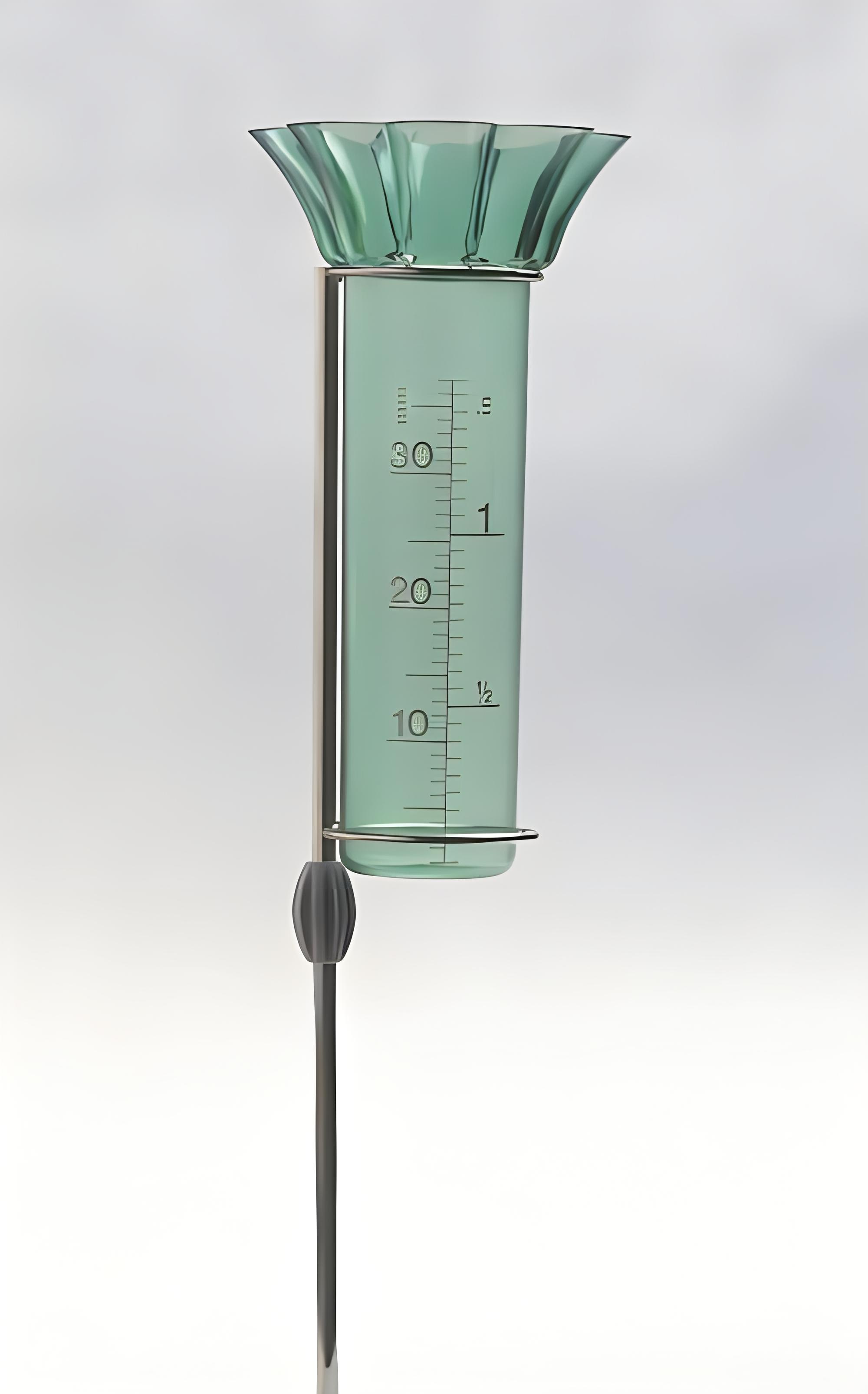
Image Source: www.niubol.com
Grasping the Basics of Precipitation Measurement
Rainfall measurement is a core part of weather science. Knowing how much rain falls helps us manage water, predict floods, and study climate change. These measurements are vital for many fields. From farming to city planning, accurate data about atmospheric precipitation measurement is key.
Why Measure Rain?
We need to track rainfall for many reasons. This data tells us important things about our environment.
- Water Supply: Knowing rainfall helps manage reservoirs and drinking water.
- Agriculture: Farmers rely on this data to decide when to plant and water crops.
- Flood Control: Heavy rain measurements alert authorities to potential dangers like floods.
- Weather Forecasting: Accurate past data improves future weather predictions.
- Climate Studies: Long-term records show how weather patterns change over many years.
The Primary Tool: The Rain Gauge
The rain gauge is the most common and fundamental rainfall measurement device. It is designed to catch and hold the rain that falls in a specific area. This allows for a direct reading of the depth of the rain that has fallen.
Types of Rain Gauges
Not all rain gauges look the same. Different designs suit different needs, from simple backyard setups to high-tech professional stations.
Standard Manual Rain Gauge
This is the classic design you often see. It typically has three main parts:
- The Collector: A cylinder or funnel that catches the rain.
- The Measuring Tube: A narrow tube inside the collector. This tube helps magnify small amounts of rain, making them easier to read accurately.
- The Outer Cylinder (or Shield): This protects the measuring tube and prevents water from splashing out.
When you measure rainfall with this tool, you pour the water from the measuring tube into a scale to read the depth, usually in inches or millimeters.
Tipping Bucket Rain Gauge
This is a very common type used in modern weather stations. It is a type of meteorological instruments that works automatically.
- How it works: Rain falls into a small funnel. The funnel directs the water into a tiny, balanced bucket.
- The Tip: When a set amount of rain (like 0.01 inches) fills one side of the bucket, it tips over. The other side swings under the funnel to catch the next set amount.
- Recording: Every time the bucket tips, it sends an electronic signal. This signal is counted by a logger, giving us a precise record of when and how much rain fell.
Weighing Rain Gauge
This gauge is excellent for measuring both rain and snow (which is melted first). It measures the weight of the collected precipitation.
- Mechanism: The collector sits on a weighing mechanism, often a spring or load cell.
- Measurement: As rain falls, the weight increases. The device records this change in weight, which is directly converted into a rainfall depth measurement. These are often used in remote areas or where extreme wind might affect other types of gauges.
Other Key Weather Instruments
While the rain gauge is central, several other weather instruments work alongside it to give a full picture of precipitation.
Siting and Placement of Gauges
Where you put a rainfall measurement device matters a lot. A poorly placed gauge gives wrong data.
- Open Area: Gauges must be in an open area, away from tall buildings or trees. Obstacles can block rain from falling evenly into the collector. This blockage leads to under-catch.
- Level Ground: The gauge must stand perfectly upright on level ground. If it leans, the collection area changes, skewing results.
- Wind Protection: Strong winds can blow rain over the top of the gauge or create updrafts that push rain away. Sometimes, a shield is used around the gauge to reduce this effect, though this must be done carefully.
Advanced Tools for Precipitation Measurement
Modern meteorology uses sophisticated hydrologic instruments that go beyond simple collection. These tools provide real-time data and cover larger areas.
Radar Systems
Weather radar is a powerful tool for measuring rainfall. It doesn’t collect water; it detects where rain is falling and how heavily.
- How it works: Radar sends out microwave pulses into the atmosphere.
- Detection: These pulses bounce off raindrops, snowflakes, or hail.
- Data Output: The strength of the returning signal tells scientists the size and concentration of the water droplets. This creates maps showing rainfall intensity across wide regions. This is crucial for instant flood warnings.
Satellite Instruments
Satellaries offer a bird’s-eye view. They are essential for monitoring rain over oceans or very remote areas where ground gauges cannot be placed.
- Passive Sensors: These measure the natural radiation emitted by clouds and the ground. Wetter clouds look different from dry ones.
- Active Sensors (Radar Altimeters): Similar to ground radar, satellites send pulses down. They measure the energy reflected back from the surface of rainstorms.
Snow Measurement Tools
Measuring snow requires special methods because snow is less dense than liquid water.
- Snow Poles: Simple rods placed in the snowpack to measure the depth directly.
- Snow Water Equivalent (SWE): Scientists often want to know how much liquid water is stored in the snowpack. Specialized scales (like the Snowpack Telemetry or SNOTEL sites) weigh the snow sample to find its density and calculate the equivalent liquid water amount.
Ensuring Accuracy in Rainfall Measurement
Accuracy is the goal when using any weather monitoring tools. Errors can lead to poor decisions about water management or flawed weather forecasts.
Common Sources of Error
Several factors can make a rain gauge reading inaccurate:
| Error Source | Effect on Measurement | Mitigation Strategy |
|---|---|---|
| Wind Distortion | Rain blows past or over the gauge opening. | Use a gauge with a shield or place it in a sheltered spot. |
| Splashing/Evaporation | Water splashes out, or sun evaporates water already collected. | Use a gauge with a narrow opening or take readings quickly. |
| Clogging/Debris | Leaves or dirt block the funnel, stopping water entry. | Regular cleaning and maintenance of the gauge mechanism. |
| Improper Siting | Too close to buildings, causing uneven rain capture. | Follow strict siting guidelines for official measurements. |
Calibration and Maintenance
Regular checks are necessary for all instruments. For a standard rain gauge, this means ensuring the measuring tube is level and clean. For electronic gauges, like the tipping bucket, the mechanism must be checked to confirm that the bucket tips at the exact correct volume.
Deciphering Rainfall Data
Once the data is collected, it needs to be turned into useful information. This involves converting raw measurements into meaningful statistics.
Units of Measurement
Precipitation is almost always recorded as the depth of water that would have accumulated if the surface were perfectly level and non-absorbent.
- Metric System: Measured in millimeters (mm).
- Imperial System: Measured in inches (in).
For example, a reading of 1 inch means that if the rain didn’t soak in or run off, it would form a 1-inch deep puddle on a flat surface.
Reporting Frequency
How often we check the precipitation measurement depends on the need:
- Daily Totals: Common for general public reports.
- Hourly or Sub-Hourly Data: Critical for flash flood warnings and analyzing storm intensity.
- Monthly/Annual Totals: Used for long-term climate analysis and water resource planning.
Automated Systems and Remote Monitoring
Modern meteorological instruments rely heavily on automation. Manual readings are time-consuming and only possible when staff are present. Automated systems provide continuous data collection.
Telemetry and Data Transmission
Modern rain gauges are linked to data loggers. These loggers store the measurements and often transmit them wirelessly via cellular networks or satellite links. This allows meteorologists to view real-time rainfall data from remote locations instantly. This connectivity transforms simple weather monitoring tools into powerful data hubs.
The Role of Citizen Science
Many enthusiasts use simple rain gauges to contribute to science. This network of citizen observers supplements official monitoring stations. Their commitment to measuring rainfall provides valuable local detail, especially in areas sparsely covered by official stations. They use basic tools, but their collective effort aids in detailed local mapping of rain events.
The Physics of Precipitation Collection
To use a pluviometer (another name for a rain gauge) correctly, we must consider the physics involved.
Catch Efficiency
The efficiency of catching rain is not always 100%. Wind is the biggest factor affecting catch efficiency. At higher wind speeds, raindrops can be carried over the top of the gauge opening, especially light drizzle. Heavy, large drops are caught more easily.
Measuring Frozen Precipitation
When it snows or hails, we cannot just measure the physical accumulation depth because the density varies widely.
- Snow Depth: A snow pole gives the depth of the snow layer.
- Melting: The collected snow is gently melted in a warm container until it becomes liquid water.
- Liquid Conversion: This resulting liquid water is then measured using a standard rain gauge measuring tube. This final measurement is the true “precipitation measurement” in liquid equivalent.
Comparison of Hydrologic Instruments
Here is a quick look at how different methods stack up for atmospheric precipitation measurement.
| Instrument Type | Best For | Pros | Cons |
|---|---|---|---|
| Manual Rain Gauge | Spot checks, simple monitoring | Low cost, very reliable if read correctly | Labor intensive, no real-time data |
| Tipping Bucket Gauge | Continuous, automated recording | High frequency data, good automation | Can clog, measures only liquid rain well |
| Radar System | Large area coverage, intensity mapping | Covers vast areas rapidly, real-time data | Indirect measurement, estimates can be biased by beam height |
| Weighing Gauge | Remote sites, mixed rain/snow | Very accurate weight measurement, handles snow well | Higher cost, mechanism needs calibration |
Future Directions in Precipitation Measurement
The science of measuring rainfall is always advancing. Future tools will focus on higher resolution and better data fusion.
Dual-Polarization Radar
Newer radar systems use dual polarization. They send out two pulses: one horizontal and one vertical. This allows the radar to tell the difference between flat shapes (like leaves or insects) and round shapes (like raindrops). This greatly improves the accuracy of rainfall estimates from radar, making it an even better tool than older single-beam systems.
Advanced Sensor Networks
We are seeing a rise in affordable, small sensors that can be deployed in dense networks. These networks fill in the gaps between large official stations. They provide hyper-local data, showing exactly where the heaviest downpours occurred within a small neighborhood. These networks are excellent weather monitoring tools for urban flash flood modeling.
Final Thoughts on Measuring Precipitation
Whether using a simple, reliable rain gauge or complex radar technology, the goal remains the same: accurately quantify the water falling from the sky. This data feeds into models and decisions that protect lives and resources. Every time you check your local forecast or see a water level report, you are benefiting from the meticulous work done by instruments designed for precise precipitation measurement. The careful use of these meteorological instruments helps us adapt to the weather we experience every day.
Frequently Asked Questions (FAQ)
What is the standard way to measure rainfall using a rain gauge?
To measure rainfall with a standard rain gauge, you read the water level in the graduated measuring tube. This reading gives you the depth of the accumulated rain, usually noted in millimeters or inches. For manual gauges, this means emptying and resetting the gauge after each reading period (e.g., every 24 hours).
Is a rain gauge the same thing as a pluviometer?
Yes, the terms are often used interchangeably. A pluviometer is simply the scientific or technical term for a rain gauge. Both terms refer to the instrument used for measuring rainfall.
How does a tipping bucket measure rain?
A tipping bucket rainfall measurement device collects rain in a small, dual-chambered bucket. When enough rain fills one side (a predefined amount, like 0.01 inch), the bucket tips over, dumping the water out and starting the collection process on the other side. This tipping action sends an electronic pulse, which is recorded as precipitation data.
Can weather satellites measure rain as accurately as a ground gauge?
Satellite measurements provide excellent coverage, especially over oceans and remote areas where ground gauges are sparse. However, ground gauges (like a properly sited rain gauge) offer the most direct and verifiable measurement at a specific point. Satellites provide estimates based on cloud properties, while gauges provide direct collection data. Both are vital for comprehensive atmospheric precipitation measurement.
What is the typical size for a professional rain gauge opening?
Official standard rain gauges, such as those recommended by the World Meteorological Organization (WMO), typically have a circular opening diameter of 8 inches (about 203 mm). This larger opening helps reduce errors caused by wind effects compared to smaller home gauges.