
The golf cart lithium battery price can vary widely, generally ranging from about \$1,500 to \$4,500 or more for a complete replacement, depending on the voltage, capacity, and brand.
Switching your golf cart from old lead-acid batteries to modern lithium iron phosphate (LiFePO4) batteries is a major upgrade. Many cart owners wonder about the total cost of lithium golf cart batteries and what they get for their money. This article will break down the current pricing, what drives the final bill, and why many drivers find the initial investment worthwhile.
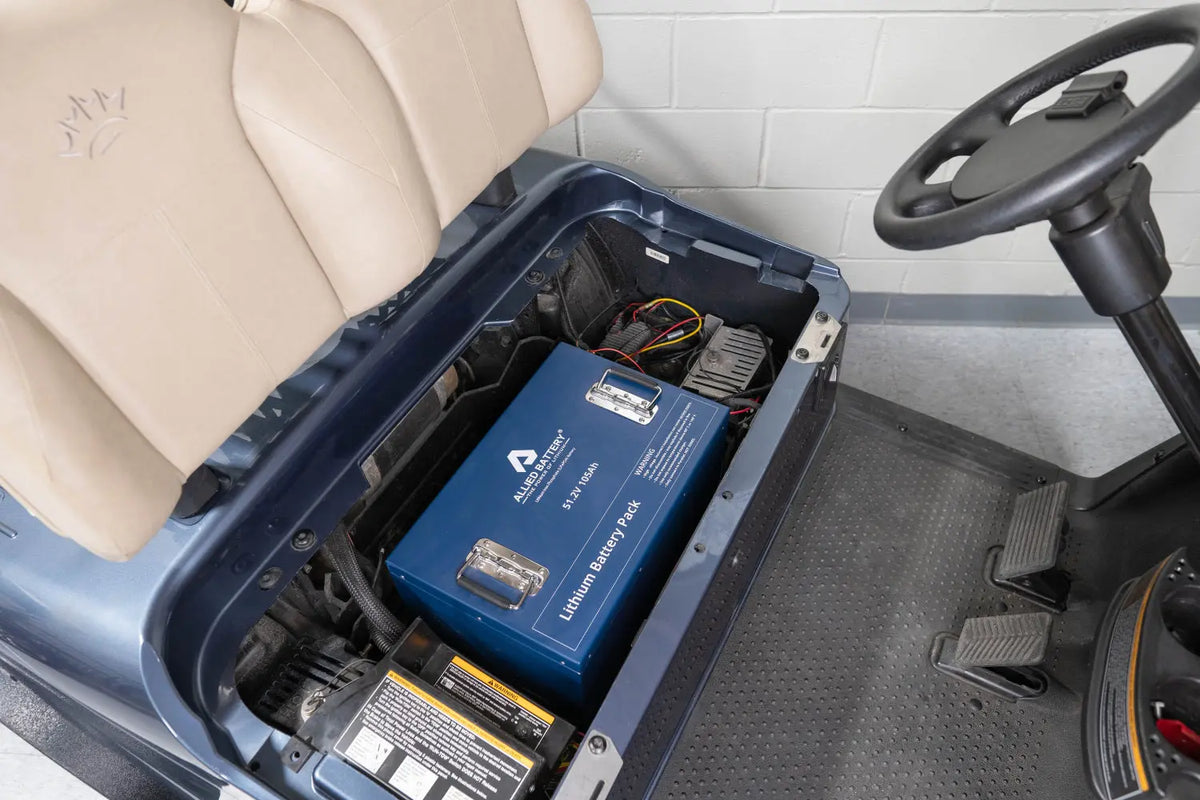
Image Source: alliedlithium.com
Gauging the Current Market for Lithium Golf Cart Power
The price of lithium batteries has dropped over the last few years. However, they remain a premium purchase compared to traditional flooded lead-acid (FLA) batteries. To get the best value, you need to look past just the sticker price. Consider the lifespan and performance gains.
Factors Shaping the Golf Cart Lithium Battery Price
Several key features determine the final bill you receive. Think of these as levers that can push the price up or down.
Voltage Requirements
Golf carts typically run on 36V, 48V, or 72V systems. Most modern carts, especially those built in the last decade, use a 48V system.
- 48V golf cart lithium battery cost: This is the most common configuration. A standard 48V pack designed to match or exceed the run-time of traditional 100Ah lead-acid batteries usually falls in the mid-to-high range of pricing.
- 80V golf cart lithium battery price: These are less common and are usually found in specialized or high-performance carts. Because they are niche, the price per unit can sometimes be higher due to lower production volumes.
Capacity (Amp-Hours – Ah)
Capacity dictates how far your cart can travel on a single charge. Higher Ah means longer range. If you need a battery bank that offers marathon performance, you will pay more.
- Standard Replacement: Often aimed at matching the typical 30-mile range of lead-acid setups.
- Extended Range: Packs offering 150Ah or more are available for those who use their carts for long days on large properties or courses. These cost significantly more.
Battery Chemistry: LiFePO4 Dominance
When people discuss golf cart lithium, they almost always mean LiFePO4 golf cart battery price. This chemistry is safe, stable, and lasts for thousands of cycles. While other lithium types exist, LiFePO4 is the standard for electric vehicles due to its safety profile.
Brand Reputation and Warranty
Top-tier brands invest heavily in quality control, advanced Battery Management Systems (BMS), and long warranties. A well-known brand often commands a higher price tag than an unknown import, but the peace of mind is often worth the extra cost.
Deep Dive into the Cost of Lithium Golf Cart Batteries
Let’s look closer at what you can expect to spend based on the type of purchase you are making. The price range for golf cart lithium batteries varies based on whether you are simply swapping batteries or undertaking a full system overhaul.
Simple Battery Pack Replacement Costs
This scenario assumes you are replacing an existing 48V lead-acid bank with a single lithium drop-in replacement pack.
| Battery Type | Typical Voltage | Capacity Range (Ah) | Estimated Cost Range (USD) | Key Benefit |
|---|---|---|---|---|
| Drop-In LiFePO4 | 48V | 100Ah – 125Ah | \$1,800 – \$2,800 | Direct replacement, lighter weight. |
| Premium LiFePO4 | 48V | 130Ah – 170Ah | \$2,800 – \$4,000+ | Extended range, superior BMS. |
| 80V golf cart lithium battery price | 80V | Varies | Often \$3,000 – \$4,500+ | Specific for high-voltage carts. |
Note: These figures are estimates and fluctuate based on global supply chains and promotions.
The Total Golf Cart Lithium Conversion Cost
If your cart currently uses an older 36V system or you are moving from a very old lead-acid setup that requires multiple smaller batteries, the golf cart lithium conversion cost might involve more than just the battery itself.
This conversion cost includes:
- The Lithium Battery Pack: The main expense.
- Potential Charger Upgrade: Lead-acid chargers cannot safely charge lithium batteries. You might need a new lithium-specific charger, adding \$200 to \$400.
- Installation: If you use a dealer, labor costs apply. DIY installation saves this expense.
Lithium Battery Replacement Golf Cart Cost vs. Lead-Acid Initial Cost
When comparing prices, it’s vital to look at the long-term value.
| Component | Lead-Acid (FLA) Initial Cost | Lithium (LiFePO4) Initial Cost |
|---|---|---|
| Battery Set (48V, 100Ah equiv.) | \$1,000 – \$1,500 | \$2,000 – \$3,500 |
| Necessary Charger | None (if reusing old one) | \$200 – \$400 (if new one needed) |
| Total Initial Outlay | \$1,000 – \$1,500 | \$2,200 – \$3,900 |
While the upfront cost for lithium is higher, the lifespan difference makes lithium cheaper over time. Lead-acid batteries typically last 3-5 years with perfect maintenance. High-quality LiFePO4 batteries can last 8-12 years or more (up to 4,000 cycles).
Deciphering the Upgrading to Lithium Golf Cart Battery Cost Benefits
Why do people spend more initially? The financial benefit of upgrading to lithium golf cart battery cost comes from eliminating recurring purchases and maintenance.
Reduced Maintenance Costs
Lead-acid batteries demand constant care: checking water levels, topping off distilled water, and cleaning corrosion. Lithium batteries require zero maintenance. This saves time and the cost of distilled water and anti-corrosion sprays.
Longevity and Cycle Life
This is the biggest cost saver. A premium LiFePO4 golf cart battery price might seem steep, but if it lasts three times as long as lead-acid, you save money on two replacement sets.
- Lead-Acid Cycles: 500–1,000 cycles (to 50% depth of discharge)
- LiFePO4 Cycles: 3,000–5,000 cycles (to 80-100% depth of discharge)
Performance and Efficiency Gains
Lithium batteries provide constant voltage until they are nearly depleted. Lead-acid voltage sags as they drain, which slows the cart down. With lithium, your cart maintains top speed longer. This efficiency means less wasted energy and often slightly better performance, especially on hills.
Weight Savings
Lithium batteries weigh significantly less—often 1/3 the weight of comparable lead-acid banks. This massive weight reduction improves suspension wear, tire life, and can sometimes slightly boost top speed or overall handling.
Analyzing Specific Voltage Pricing: 48V vs. 80V
Most buyers focus on the 48V golf cart lithium battery cost. This is the sweet spot for standard residential and golf course use.
The 48V Standard
The market is flooded with excellent 48V options. Look for brands that offer high integration with your cart’s existing systems (if possible) or ones known for robust internal components. When shopping for the best golf cart lithium battery prices, compare the guaranteed usable capacity, not just the advertised Ah rating.
The 80V Niche
If your cart requires an 80V golf cart lithium battery price quote, understand that these systems are specialized. They are often found in older, modified, or industrial carts. Because the demand is lower, inventory might be smaller, which can sometimes inflate prices compared to the high-volume 48V packs. Always ensure the battery is perfectly matched to your motor controller settings.
Finding the Best Golf Cart Lithium Battery Prices
To secure a good deal without sacrificing quality, smart shopping is essential.
Direct-to-Consumer vs. Dealer Purchase
- Dealers: Dealers provide professional installation, warranty support, and convenience. However, they add a markup, increasing the lithium battery replacement golf cart cost.
- Direct-to-Consumer (DTC): Buying directly from the manufacturer or a large online retailer allows you to bypass the middleman, often securing the lowest advertised prices. Be ready for self-installation or finding an independent mechanic.
Timing Your Purchase
Prices for high-tech components like batteries can shift seasonally. Some manufacturers offer deep discounts during the winter months when golf cart usage slows down in many regions. Check for holiday sales or end-of-year inventory clear-outs.
Considering Used or Refurbished Options (Use Caution)
While rare for golf carts, sometimes refurbished or slightly used packs appear. For any lithium battery, especially one powering a vehicle, extreme caution is necessary. Only consider this if the seller provides verifiable data logs proving the pack’s health and cycle count. The risk often outweighs the savings.
Financial Comparison: Lithium Versus Lead-Acid Over a Decade
To truly grasp the value proposition, let’s compare the lifetime expense over 10 years, assuming a decent standard of use.
Scenario Assumptions:
* Lead-Acid Replacement Cycle: Every 4 years (3 replacements total)
* Lithium Replacement Cycle: Every 10 years (1 replacement total)
| Expense Item | Lead-Acid (10 Years) | Lithium (10 Years) |
|---|---|---|
| Initial Purchase | \$1,250 | \$3,000 |
| Second Set (Year 4) | \$1,250 | \$0 |
| Third Set (Year 8) | \$1,250 | \$0 |
| Charger Replacement (x2) | \$300 | \$0 (Use new lithium charger) |
| Maintenance (Water, Additives) | \$150 | \$0 |
| Total 10-Year Expense | \$4,200 | \$3,000 |
This simplified model shows that even with a high initial golf cart lithium conversion cost, the long-term savings, combined with superior performance, make lithium the financially smarter choice for most dedicated cart owners.
Final Thoughts on Pricing and Value
Determining the exact golf cart lithium battery price today requires you to specify your needs: voltage, range, and preferred brand.
The market offers excellent LiFePO4 golf cart battery price points now, making the switch more accessible than ever before. While the upfront price tag demands attention, modern lithium technology delivers unmatched longevity, performance, and zero maintenance, ultimately leading to lower ownership costs over the life of your golf cart. Research several brands, check warranties carefully, and invest in a solution that matches your usage habits.
Frequently Asked Questions (FAQ)
H5: Is it cheaper to replace lead-acid batteries with lithium batteries right away?
No, the initial cost of lithium golf cart batteries is typically higher than buying a new set of lead-acid batteries. However, when factoring in the lifespan (lithium lasts much longer) and the elimination of maintenance costs, lithium becomes cheaper over a period of about 5 to 7 years.
H5: Do I need a new charger when upgrading to lithium?
Yes, almost always. Lead-acid chargers use different voltage profiles and can damage lithium batteries, shortening their life or creating safety hazards. Always purchase a charger specifically designed for the LiFePO4 chemistry you install.
H5: Can I use a 48V lithium battery in a cart designed for 36V?
Generally, no, not without significant modification. You must match the battery voltage to the cart’s motor controller. Trying to force an incompatible voltage can damage the controller or the battery system. For a full system change, the controller must also be upgraded, which adds to the upgrading to lithium golf cart battery cost.
H5: How much weight do I save by switching to lithium?
A typical 48V lead-acid battery bank weighs between 500 and 650 pounds. A comparable 48V lithium battery pack usually weighs between 120 and 180 pounds. You can save around 350 to 500 pounds, which is a massive reduction.
H5: Where can I find the best golf cart lithium battery prices?
To find the best golf cart lithium battery prices, compare quotes from direct-to-consumer online suppliers specializing in golf cart batteries against quotes from local authorized dealers. Look for reputable brands offering a 5-year minimum warranty.