
The cost to buy a food cart for selling hot dogs can range from as little as \$500 for a very basic, used hot dog cart for sale, up to \$20,000 or more for a fully customized, new, high-end unit. Deciding on the hot dog cart cost depends heavily on whether you buy new or used, the features you need, and the local regulations your cart must meet.
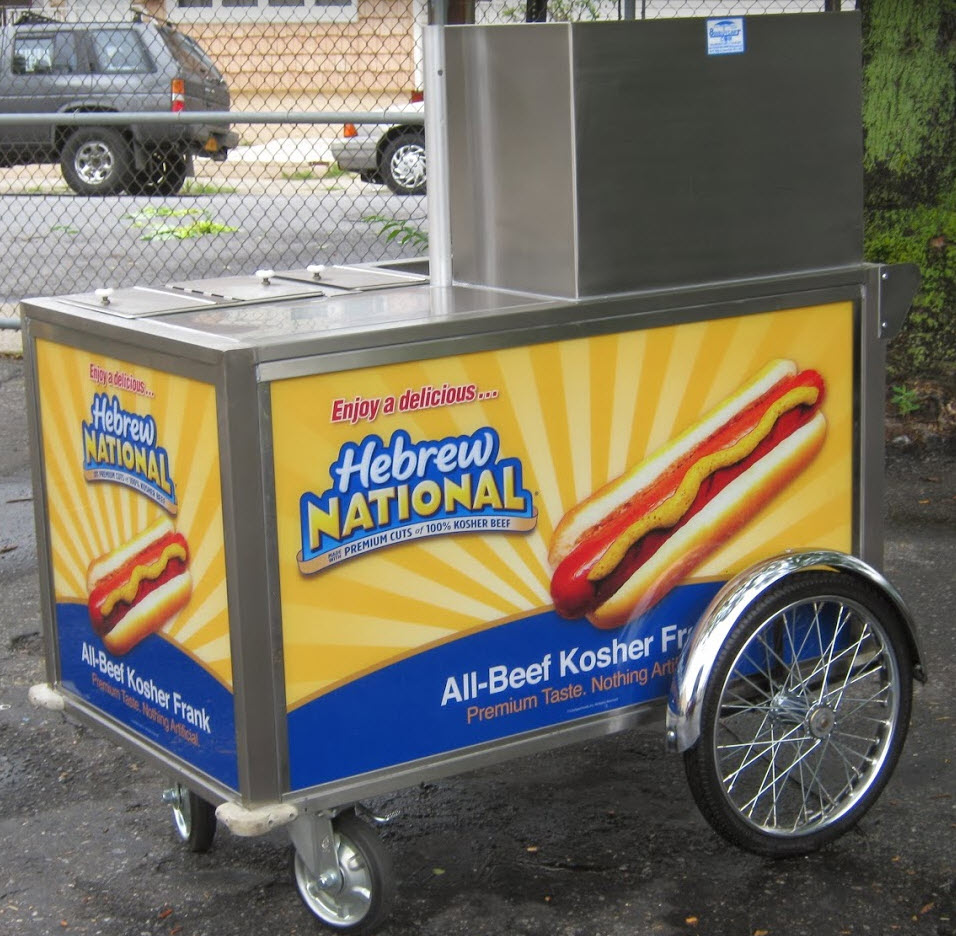
Image Source: www.800buycart.com
Fathoming the Range of Hot Dog Cart Costs
Starting a new venture, like starting a hot dog cart business, requires careful budgeting. The price tag on your cart is just the first step in your hot dog cart business startup costs. You need to look at the total hot dog stand investment. Costs vary widely based on size, materials, and equipment included.
New Cart Pricing Tiers
New carts offer warranties and the latest features, but they cost more upfront. Here is a general breakdown of commercial hot dog cart prices:
| Cart Type | Key Features | Estimated Price Range (\$) |
|---|---|---|
| Basic Push Cart | Simple steam tray, small cooler, hand wash sink. | \$1,500 – \$4,000 |
| Mid-Range Cart | Larger storage, better sinks, propane setup, sneeze guard. | \$4,000 – \$8,000 |
| Premium/Custom Cart | Stainless steel, multiple warming methods, refrigeration, extensive storage, full utility hookups. | \$8,000 – \$20,000+ |
These figures give you a baseline for mobile food cart pricing. Keep in mind that these prices often do not include taxes, shipping, or mandatory local permits.
The Appeal of Used Hot Dog Cart for Sale Listings
Buying used can significantly lower your initial outlay. A used hot dog cart for sale might be perfect if your budget is tight or you are testing the waters of the business.
Benefits of Buying Used:
- Lower initial hot dog cart cost.
- Faster availability—no long build times.
- Potential to find highly customized setups cheaply.
Risks of Buying Used:
- Hidden repairs might increase the final hot dog vendor equipment cost.
- May not meet the newest health code standards right away.
- Limited or no warranty protection.
When looking at a used hot dog cart for sale, always inspect the propane lines, water tanks, and the condition of the metal. If significant repairs are needed, the savings might disappear quickly.
Deep Dive into Hot Dog Vendor Equipment Cost
The cart itself is only part of the equation. You must budget for the actual cooking and serving gear. This equipment makes up a large portion of your hot dog vendor equipment cost.
Essential Equipment Included in the Price
Most standard carts are designed to handle the basics: boiling or steaming dogs and keeping condiments safe.
- Steam Table/Warmer: This keeps the hot dogs and buns warm and moist. This is usually integrated into the main unit.
- Condiment Station: Space for mustard, ketchup, relish, and onions. Often includes small stainless steel inserts (hotel pans).
- Water System: Required by almost all health departments. This involves a clean water tank, a wastewater (gray water) tank, and often a small water pump and hand washing sink.
- Storage: Space underneath the main serving area for supplies and ice.
Upgrading Your Setup and Associated Costs
If you want to offer more than just standard boiled dogs, your mobile food cart pricing will jump up.
- Propane Grills/Charbroilers: Adding a surface for grilling dogs adds cost and requires proper ventilation and propane tank storage space.
- Refrigeration: Small, built-in refrigerators or cold wells are necessary if you store product on the cart for long periods. These require extra power or dedicated propane cooling units.
- Sneeze Guard: A clear barrier to protect food from customers. This is often mandatory and adds to the base price.
If you plan to build your own hot dog cart cost structure, sourcing these individual pieces of equipment and assembling them yourself might be cheaper, but it requires significant technical skill and ensuring everything meets local safety standards.
The Cost of New vs. Custom Build vs. Used
Choosing the right path significantly impacts your hot dog stand investment.
Option 1: Buying Pre-Built and New
This is the simplest route. You pay the sticker price. Companies specialize in building carts to meet specific state or city requirements (e.g., California often has stricter plumbing rules than others). They handle compliance, which justifies the higher commercial hot dog cart prices.
Option 2: The Custom Build Route
If you have a very specific vision or need a unique size, a custom builder is the way to go. This allows you to dictate every feature, from stainless steel grade to color scheme.
A custom build typically starts at the higher end of the new cart price range, sometimes exceeding \$15,000, as you are paying for design time plus fabrication. If you attempt to build your own hot dog cart cost by sourcing parts yourself, expect to spend time sourcing NSF-approved components, which can be tricky.
Option 3: Self-Assembly (The True “Build Your Own”)
This involves buying a basic frame or trailer, then purchasing NSF-approved sinks, burners, tanks, and propane regulators separately.
Estimating Build Your Own Hot Dog Cart Cost:
| Component | Estimated Cost Range (\$) | Notes |
|---|---|---|
| Basic Frame/Trailer | \$500 – \$2,000 | Depends on size and if it’s towable or push-style. |
| Sinks & Plumbing (3-compartment + hand wash) | \$400 – \$800 | Must meet health code standards (NSF). |
| Warming Unit (Steam Table) | \$300 – \$1,000 | Gas or electric powered. |
| Propane Tank & Regulator | \$150 – \$300 | Safety equipment is critical here. |
| Canopy/Umbrella & Graphics | \$200 – \$500 | Branding and weather protection. |
| Total Estimated Build Cost | \$1,550 – \$4,600+ | Does not include labor or final inspection fees. |
While the low end looks attractive, remember that sourcing parts that fit together perfectly and pass inspection is challenging.
Hidden Costs in Starting a Hot Dog Cart Business
The initial purchase of the cart is just one component of your hot dog cart business startup costs. Smart entrepreneurs budget for everything else needed before the first hot dog is sold.
Permits, Licenses, and Insurance
These mandatory items vary wildly by location. Some cities charge low annual fees, while others require expensive health department certifications that might force you to upgrade your cart if it doesn’t meet the current standard.
- Business License: \$50 – \$300
- Health Permit/Food Handler Certifications: \$100 – \$1,000 (can include initial inspection fees)
- Vending Permit/Location Fee: Highly variable; some spots require daily or monthly location fees.
- Liability Insurance: \$300 – \$800 annually. Necessary protection for your hot dog stand investment.
Initial Inventory and Supplies
You cannot operate without product! Factor in the cost of your starting stock.
- Hot Dogs (Bulk packs)
- Buns
- Condiments (Mustard, Ketchup, Relish)
- Napkins, cups, gloves, trash bags
- Ice (to keep drinks and perhaps some backup items cold)
A good starting inventory might cost between \$300 and \$700, depending on your planned opening volume.
Operational Costs: Propane and Power
If you run gas equipment, you need propane tanks. If you rely on electricity (for pumps or perhaps an electric warmer), you need an appropriate generator or access to shore power.
A standard 20lb propane tank costs about \$20–\$30 to fill, and depending on usage, you might go through one tank every few days. Generators suitable for powering minor accessories can cost \$500 to \$1,500 for a quiet, reliable model needed for food service.
Comparing Mobile Food Cart Pricing by Fuel Type
The way you power your cart impacts both the upfront cost and ongoing operational expenses.
Propane Powered Carts
Most traditional hot dog carts rely on propane.
- Pros: Portable, reliable heat source, usually cheaper to run than electricity away from an outlet.
- Cons: Requires handling and storing pressurized tanks; ongoing cost of refilling tanks. This generally keeps the initial hot dog cart cost lower than electric setups.
Electric Powered Carts
Electric carts require access to a strong power source, usually a generator or a direct plug-in location.
- Pros: Quieter operation (if using shore power); sometimes better temperature consistency for specific equipment.
- Cons: Limited mobility unless you invest heavily in a large, quiet, expensive generator. Generators significantly increase your hot dog cart business startup costs.
Hybrid Systems
Some premium units offer gas for the main cooking elements (like the grill) and electric components for pumps or low-heat holding. These offer flexibility but drive up the initial mobile food cart pricing.
Locating the Best Deals on Carts
Finding the right price requires smart shopping, whether you are seeking a used hot dog cart for sale or researching new vendors.
Researching New Cart Suppliers
Look for manufacturers known for durability and compliance. Ask them directly for quotes on fully equipped units. Be specific about your needs (e.g., “I need a 6-foot push cart with a triple sink system for New York City compliance”). This level of detail helps them provide an accurate commercial hot dog cart prices estimate.
Navigating Online Marketplaces for Used Carts
Websites like Craigslist, eBay, and specialized food equipment forums are good places to start looking for a used hot dog cart for sale.
Tips for Buying Used:
- Ask for Maintenance Records: A well-maintained cart lasts longer.
- Inspect for Rust and Leaks: Water damage is the enemy of stainless steel. Check under the tanks and sinks thoroughly.
- Verify Propane System Safety: If the cart uses gas, have a professional check the lines if you are not experienced. This prevents future dangerous and costly repairs.
If a deal seems too good to be true, it likely is. A \$500 cart might need \$3,000 in immediate upgrades to pass inspection, making the final hot dog stand investment higher than buying a reliable used model for \$2,500.
The Financial Planning Perspective: Hot Dog Cart Investment Summary
When presenting your business plan or budgeting for your venture, segmenting the costs helps track your total hot dog stand investment.
Sample Startup Budget Estimate
This sample budget assumes a moderately equipped, good-quality used cart, allowing for necessary initial supplies and fees.
| Category | Low Estimate (\$) | High Estimate (\$) | Notes |
|---|---|---|---|
| Hot Dog Cart Purchase | \$2,500 (Good Used) | \$7,000 (New/Lightly Used) | Covers the main mobile unit. |
| Licenses & Permits | \$250 | \$1,500 | Varies by city/county complexity. |
| Initial Inventory Stock | \$300 | \$700 | Dogs, buns, condiments, napkins. |
| Small Equipment (Fire Extinguisher, Thermometers) | \$100 | \$250 | Safety items required by law. |
| Generator/Power Source (If needed) | \$0 (If using shore power) | \$1,500 | Cost of a quiet generator if off-grid. |
| Working Capital Buffer | \$500 | \$1,000 | For unexpected first-month costs. |
| Total Estimated Startup Cost | \$3,650 | \$11,950 | This shows the wide range of the hot dog cart cost. |
This table clearly illustrates that the final cost to buy a food cart is only a fraction of the total needed to open for business.
Enhancing Profitability Through Cart Choice
Your choice of cart directly impacts your potential earnings. A cart that limits your menu selection limits your ability to maximize profits.
Menu Expansion and Equipment Needs
If you plan on starting a hot dog cart business that aims higher than just dogs and chips, you need more sophisticated equipment, increasing the hot dog vendor equipment cost.
- Chili/Sauce Warmers: Separate steam trays or electric pots are needed to keep chili hot without contaminating the main bun steamer.
- Topping Stations: Adding grilled onions or peppers requires a small side griddle, which needs extra propane power.
- Beverage Sales: Coolers or refrigerated units for drinks take up valuable real estate and increase weight/complexity.
A poorly designed cart might force you to turn away customers who want chili dogs or specialty sausages, directly limiting your revenue potential. Therefore, allocating a larger portion of your hot dog stand investment to a well-laid-out, efficient cart can pay dividends quickly.
Maintenance Costs: Long-Term Financial Planning
Once you have navigated the initial hot dog cart cost, you must factor in recurring maintenance. This is a crucial element often missed by newcomers.
A durable cart built from quality stainless steel will have lower long-term costs. Cheaply made carts might rust near seams or have fittings that degrade quickly under the constant heat and moisture of food service.
Regular Maintenance Items:
- Cleaning and servicing propane regulators annually.
- Replacing water pump diaphragms in the sink system.
- Deep cleaning the steam table components to prevent mineral buildup.
If you try to build your own hot dog cart cost strategy using budget parts, expect these maintenance cycles to be more frequent and potentially more expensive than for a professionally built unit.
Final Thoughts on Determining Your Hot Dog Cart Cost
Figuring out “How much is a hot dog cart?” is not a single number answer. It is a spectrum defined by your ambition for the business.
If you aim for simple, high-volume, low-overhead sales in a consistent, high-traffic location, a reliable, modestly equipped used hot dog cart for sale might be the perfect fit for a smaller initial hot dog stand investment.
However, if you plan to operate at large events, offer diverse menus, or operate in areas with stringent health regulations, investing more upfront in a new, compliant, and robust unit will save you headaches, repair bills, and potential downtime later. Always budget for more than just the purchase price; factor in all hot dog cart business startup costs before you fire up the grill.