
A miter saw is excellent for making fast, accurate cuts on wood, especially when you need to cut angles or bevels. It is a top tool for carpentry tasks that require precise joining, like installing trim or building frames.
The miter saw is a staple in any serious woodworker’s shop. It is not just another saw. It is a specialized tool designed for speed and exactness in making specific types of cuts. If you have ever struggled to line up two pieces of molding so their corners meet perfectly, you know why this saw is so important. This guide will explore the many things a miter saw can do and why it might be the most useful saw you own.
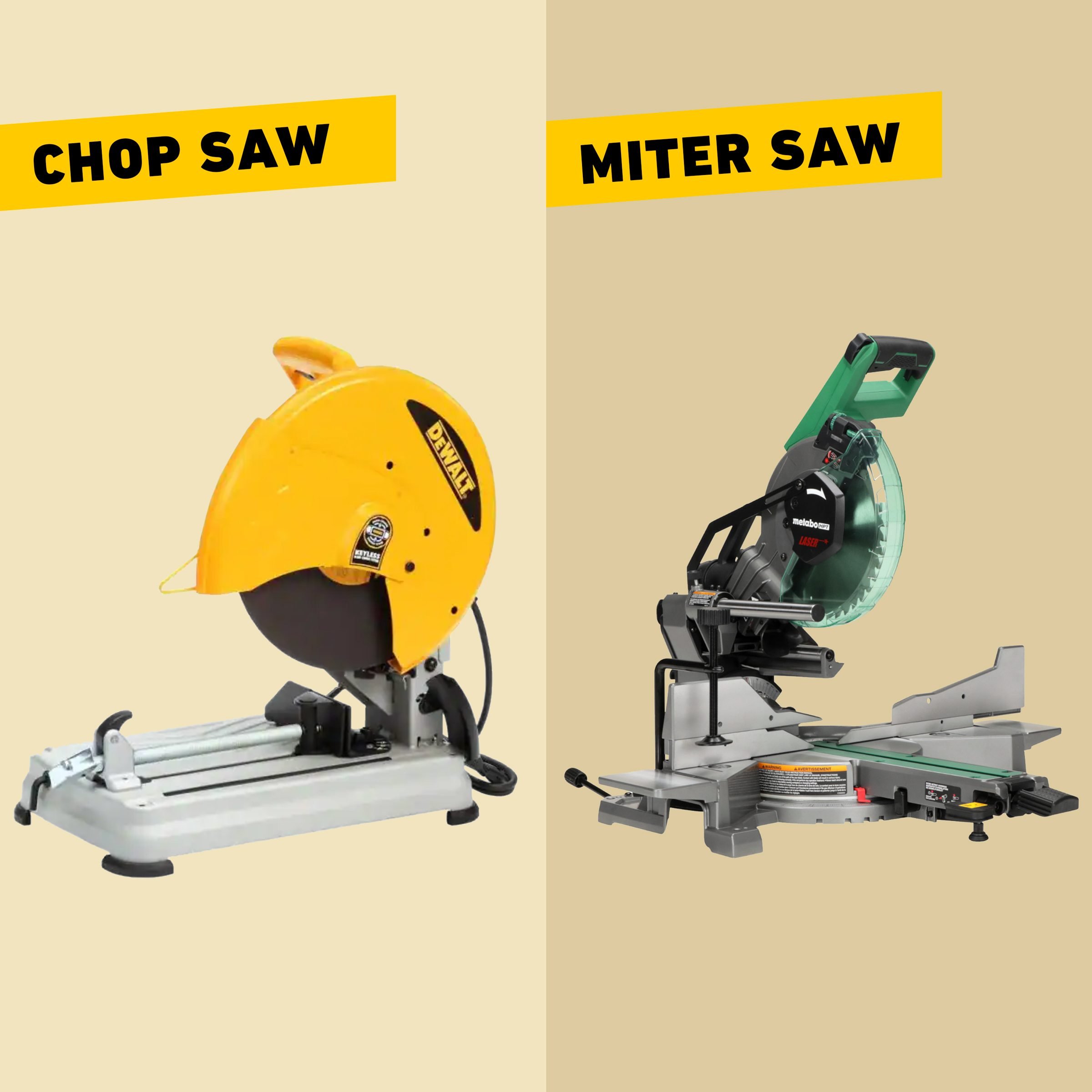
Image Source: www.familyhandyman.com
The Basics: What Makes a Miter Saw Special?
A standard circular saw cuts straight across a board. A miter saw takes that idea and adds adjustability. The blade assembly pivots side to side. This lets you set the saw to cut at any angle you need, from 0 degrees (a straight crosscut) up to 45 or even 50 degrees, depending on the model.
This ability to set exact angles is the core of its usefulness. It makes cutting angles with a miter saw very easy and very fast.
Core Functions: The Best Uses for Miter Saw
The primary purpose of a miter saw is to cut boards at specific angles across their width. This is called a crosscut. But its versatility allows for many miter saw applications.
1. Perfect Angle Cuts (Miters)
This is the saw’s namesake function. A miter cut is an angle cut made across the face of a board. This is crucial when joining two pieces to form an outside corner, like the corner of a picture frame or the intersection of crown molding.
- Standard Corners: Most indoor trim and framing uses 90-degree corners. This means each piece needs a 45-degree cut. The miter saw makes setting this 45-degree angle simple.
- Odd Angles: For things like decks, fences, or complex picture frames, you might need angles like 30 degrees or 52 degrees. A good miter saw lets you dial in these precise angles quickly. This ensures tight, clean joints every time.
2. Bevel Cuts for Inside and Outside Corners
Beyond simple side-to-side pivoting, many saws—especially compound miter saw capabilities—can tilt the blade vertically. This vertical tilt is called a bevel cut. When you combine a miter angle (horizontal pivot) and a bevel angle (vertical tilt), you get a compound cut.
Compound cuts are essential for trim that sits at an angle to the wall or ceiling, such as crown molding.
- Crown Molding: Crown molding often sits in a cradle against the wall and ceiling. This means the cuts are rarely simple 45 degrees. A compound cut ensures the molding sits flush against both surfaces when joined.
- Rake Boards and Gables: When building the roofline of a shed or house, the rake boards need specific compound angles to meet neatly at the peak.
3. Simple Cross-Cutting
Even when you don’t need an angle, the miter saw is a fantastic tool for miter saw cross-cutting. If you need to quickly trim 2x4s or cut decking boards to length, it is much safer and faster than using a circular saw while trying to brace the wood.
You simply set the miter angle to 0 degrees and push the spinning blade straight down through the material.
Miter Saw Uses Across Different Trades
What exactly is a miter saw good for across different jobs? Its applications span from small home repairs to large construction sites.
Miter Saw for Woodworking and Furniture Making
For anyone serious about miter saw for woodworking, this tool is indispensable. Fine woodworking demands high precision.
- Picture Frames and Boxes: Building picture frames, shadow boxes, or simple storage bins requires perfect corner joints. A difference of even half a degree will leave an ugly gap.
- Face Frames: When building cabinet doors or furniture faces, the rails and stiles must join flawlessly. The miter saw allows you to achieve this precision repeatedly.
- Laminates and Veneers: While care must be taken with thin materials, a sharp, fine-toothed blade allows the saw to cleanly cut delicate veneers without tear-out.
Miter Saw for Trim Work and Finish Carpentry
This is where the miter saw truly shines. The miter saw for trim work is perhaps its most common role. Baseboards, door casings, and crown molding all rely on accurate angle cuts.
| Trim Type | Required Cuts | Why the Miter Saw Excels |
|---|---|---|
| Baseboards | 45° Miter (or compound) | Creates tight, professional-looking corners. |
| Door Casings | 45° Miter | Ensures the trim meets flush around the door frame. |
| Crown Molding | Compound Miter/Bevel | Handles the necessary double angle for ceiling joints. |
| Picture Rail | Various Miters | Allows custom framing for specific room layouts. |
Achieving precise angle cuts with a miter saw means you spend less time filling gaps with putty and more time finishing the job.
Miter Saw in Construction and Framing
While framers often use powerful circular saws for framing walls, the miter saw is vital for specific, repetitive cuts on a job site.
- Decking and Railings: Cutting deck boards to length and sizing railing components often requires repeatable accuracy.
- Fascia and Soffit: These exterior trim pieces require perfect angles where they meet at corners or hips.
- Shed and Gazebo Construction: Any structure with a roof pitch needs components cut to the correct angle to fit the slope.
Types of Miter Saws and Their Specific Capabilities
Not all miter saws are the same. Their miter saw applications change based on their features.
1. Standard (Chop) Miter Saws
These are the simplest models. They pivot left and right but do not tilt vertically.
- Good For: Simple cross-cutting and basic 45-degree miter cuts on standard lumber, like 2x4s for simple framing or non-angled baseboards.
- Limitations: Cannot handle complex bevels or crown molding that requires tilting.
2. Sliding Miter Saws
These saws add a crucial feature: the motor and blade assembly slide forward and backward along rails.
- What it’s good for: Increasing the cutting capacity (the “width” of wood it can handle). A standard saw might only cut 12 inches wide, but a sliding model can often handle 14 or even 16 inches. This is essential for cutting wide boards or large trim pieces in one pass.
- Miter Saw Cross-Cutting Enhancement: Sliding action allows for long crosscuts that a non-sliding saw cannot manage.
3. Compound Miter Saws
These saws offer both left/right pivoting (miter) and up/down tilting (bevel).
- The Workhorse: This is the most common saw found in serious DIY shops and professional trim work. It handles the vast majority of common miter saw uses.
- Compound Miter Saw Capabilities: This feature allows for complex angles needed for angled casings or crown molding, making it highly versatile.
4. Sliding Compound Miter Saws
This is the ultimate combination: it slides for width capacity and tilts for compound angles.
- Best For: Professionals who need maximum capacity, maximum angle versatility, and high speed. This saw can handle almost any cut thrown at it, from narrow molding to wide sheet goods (if set up carefully).
Achieving Precise Angle Cuts with a Miter Saw
The main reason to own this saw is for its precision. Here is what to use a miter saw for when accuracy is key.
Setting Up for Accuracy
Before making any critical cuts, always check the saw’s alignment. Even new saws can shift during transport.
- Check 90 Degrees: Place a quality square on the table against the fence. Adjust the saw until the blade is perfectly perpendicular (90 degrees) to the table surface.
- Check 45 Degrees: Use the square to check the common 45-degree detents (stops). If the saw’s indicator shows 45 degrees, but the cut is slightly off, you need to fine-tune the adjustment screws (check your manual).
Techniques for Flawless Joints
When dealing with trim, the goal is zero gap.
- The Test Piece: Always make a scrap cut first. Cut one piece at 45 degrees. Flip the wood over and cut the second piece at 45 degrees in the opposite direction. When you put the two angled ends together, they should form a perfect 90-degree angle. If they don’t, adjust your saw settings slightly until they do.
- Dry Fitting: Always dry fit your joints before applying glue or nails. This is especially important for outside corners where one angle might be slightly tighter than the other.
Material Capacity: What Can a Miter Saw Cut?
While primarily associated with wood, modern, powerful miter saws can handle various materials if you use the correct blade.
Wood Materials
The miter saw excels at cutting dimensional lumber, plywood, MDF, and hard/soft woods.
| Material Type | Best Blade Type | Notes on Cutting |
|---|---|---|
| Softwoods (Pine, Fir) | 60-80 Tooth General Purpose | Cuts fast; watch for slight tear-out on the exit side. |
| Hardwoods (Oak, Maple) | 80-100 Tooth Fine Finish | Slower feed rate needed; results in a very clean cut. |
| Plywood/MDF | High Tooth Count (80+) Non-Ferrous Blade | Reduces chipping and delamination significantly. |
| Trim/Molding | Thin Kerf, High Tooth Count | Minimizes material removal on thin stock. |
Non-Wood Materials (With Caution)
Some powerful miter saw applications extend beyond wood, but this requires specialized blades and setup.
- Plastics: PVC, ABS, and acrylic can be cut well with a fine-tooth blade designed for plastic. Go slow to prevent melting.
- Non-Ferrous Metals (Aluminum/Brass): A specialized carbide-tipped non-ferrous metal-cutting blade is mandatory. Never use a wood blade on metal; it is extremely dangerous. These saws are excellent for cutting aluminum framing or siding components.
- Masonry/Tile: Standard miter saws should never be used for masonry or tile unless they are specialized wet-tile saws. Regular miter saws lack the cooling and dust control needed, and using wood blades on masonry will destroy the blade and potentially the saw.
Safety Considerations for Miter Saw Use
Using any power tool requires respect. Because the blade spins rapidly and is exposed, safety is paramount when performing miter saw uses.
- Eye and Hearing Protection: Always wear safety glasses. Hearing protection is essential, as miter saws can be loud.
- Keep Hands Clear: Never place your hands closer than six inches to the blade path. Use push sticks for small pieces.
- Secure the Workpiece: Ensure the wood is firmly held against the fence and the table before starting the cut. A wobbling board can kick back or cause an uneven cut.
- Wait for Full Stop: Never raise the blade until it has come to a complete stop after the cut is finished.
- Blade Condition: Dull blades force you to push harder, leading to dangerous kickbacks and poor cuts. Replace or sharpen blades promptly.
Comparing Miter Saws to Other Saws
Why choose a miter saw over other saws for specific tasks?
Miter Saw vs. Table Saw
A table saw is fantastic for ripping (cutting wood lengthwise) and handling large sheet goods. However, it is poor for angle cross-cuts.
- Miter Saw Strength: Rapid, repetitive, and highly accurate angled crosscuts. Excellent for trim.
- Table Saw Weakness: Making 100 accurate 45-degree cuts sequentially is slow and awkward on a table saw.
Miter Saw vs. Chop Saw (Dry Cut Saw)
A standard chop saw (often used in metalworking) is designed only for straight crosscuts and usually has no bevel capability.
- Miter Saw Strength: Angle adjustments (miter and bevel) are the main differentiator.
- Chop Saw Strength: Often built heavier for repeated, aggressive cuts in metal or hard wood, but lacks the finesse for angles.
Miter Saw vs. Radial Arm Saw
Radial arm saws can technically do most of what a miter saw does, including cross-cutting and angling. However, modern miter saws are generally safer, more compact, and much easier to dial in for precise angle cuts with a miter saw due to their simpler, more stable locking mechanisms.
Advanced Techniques for Compound Miter Saw Capabilities
For those exploring advanced miter saw applications, mastering the compound cut is essential.
A compound cut involves setting two angles at once:
- Miter Angle (Horizontal): Sets how much the saw pivots left or right (e.g., 33.86 degrees).
- Bevel Angle (Vertical): Sets how much the saw tilts up or down (e.g., 31.62 degrees).
These specific, non-standard angles are required when molding meets at a specific roof pitch (like a 6/12 pitch roof). If you are working on a ceiling where the angle between two pieces is not 90 degrees (e.g., an angled wall meeting a flat wall), you need compound cuts to make them join perfectly.
Finding the Right Compound Angles:
You don’t usually guess these numbers. You use formulas or a digital angle finder connected to an app. You measure the angle between the two surfaces, and the app calculates the required miter and bevel settings for your saw. This ensures the best uses for miter saw involve complex, professional-grade joints.
Summary: Why You Need This Saw
So, what is a miter saw good for? It is the ultimate tool for accurate, repeatable, angled cross-cuts.
If your projects involve trim, framing corners, building cabinets, or creating any structure with angled joints, a miter saw saves time, reduces waste, and delivers a superior finish. It transforms challenging joints into simple, precise actions. For finish carpentry, its role is unmatched. If you are doing miter saw for trim work, you must have one. Its ability to make those precise angle cuts with a miter saw is why it earns its spot as a cabinet maker’s and finish carpenter’s best friend.
Frequently Asked Questions (FAQ)
Can I use a miter saw to cut wood lengthwise (ripping)?
Generally, no. Miter saws are designed for cross-cutting (across the grain). Trying to rip wood (cutting along the grain) is unsafe because the blade is not designed for that action, and you risk serious kickback. For ripping, use a table saw or a circular saw with a straight-edge guide.
What is the difference between a compound miter saw and a sliding miter saw?
A standard compound miter saw pivots left/right (miter) and tilts up/down (bevel). A sliding miter saw has rails that allow the blade to move forward and backward, increasing the width of the material it can cut across. A sliding compound miter saw does both—it slides and tilts.
What size of miter saw is best for home use?
For most homeowners and DIYers, a 10-inch miter saw is perfect. It balances portability, sufficient power, and enough capacity (usually 12 inches wide capacity when extended) for common projects like baseboards and deck building. Professionals often opt for 12-inch models for handling wider trim or framing lumber more easily.
How do I prevent tear-out when cutting delicate molding?
Tear-out (splintering on the exit side of the cut) is common. To minimize this, use a sharp blade with a high tooth count (80 or more teeth). Also, ensure the material is firmly pressed against the fence. Finally, for the cleanest cuts, cut from the “good” side of the wood down; the side facing up when you cut will be the side where tear-out occurs on the bottom. For very delicate trim, consider using thin-kerf blades specifically made for finish work.