
Can you sharpen carbide saw blades at home? Yes, you can sharpen carbide saw blades at home, but it takes special tools and practice. This guide will show you the steps for sharpening tungsten carbide tips safely and effectively. Keeping your blades sharp saves money and makes your cuts better. Dull blades rip wood, strain your saw motor, and cause accidents. A sharp blade cuts clean and fast.
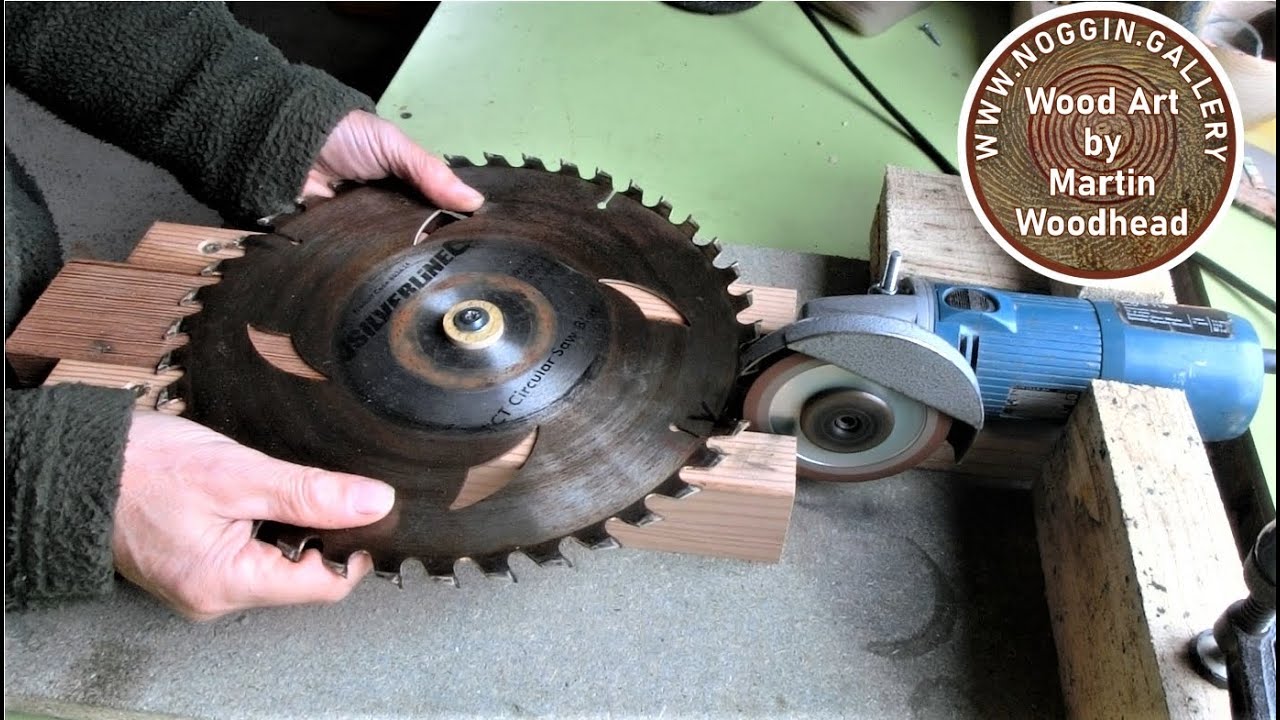
Image Source: i.ytimg.com
Why Sharpen Carbide Saw Blades?
Carbide tips get dull over time. Wood fibers, dirt, and hard materials wear down the sharp edges. When the edge is dull, it pushes the wood instead of cutting it. This causes rough cuts, excessive heat, and uses more electricity. Resharpening cemented carbide cutters restores their cutting ability. It is often cheaper than buying new blades, especially for high-quality blades.
Deciphering Carbide Blade Basics
Before you start grinding, you must know what you are working with. Carbide saw blades use small, very hard tips brazed (heat-soldered) onto a steel plate. These tips are made of tungsten carbide, which is much harder than the steel body.
Components of a Carbide Tooth
Each tooth has several key angles that must be maintained for a good cut. Getting these angles right is key to proper technique for sharpening carbide blades.
| Component | Description | Importance |
|---|---|---|
| Face | The main cutting surface. | Determines how much material is removed per pass. |
| Top Plate Angle | The slope of the tooth face. | Affects cutting speed and chip clearance. |
| Side Clearance Angle | The angle on the side of the tip. | Prevents the sides of the tooth from rubbing the wood. |
| Relief Angle | The angle behind the cutting edge. | Ensures the tip enters the material cleanly without dragging. |
The setting carbide saw blade relief angle is crucial. If this angle is too small, the blade will rub and overheat. If it is too large, the tooth becomes weak and breaks easily.
Tools for Sharpening Carbide Saw Blades
You cannot use a regular file on carbide. Carbide is too hard. You need abrasive tools, usually made with diamond or cubic boron nitride (CBN). These are the essential tools for sharpening carbide saw blades.
Necessary Equipment
- Diamond Grinding Wheel: This is the most common tool. The diamond coating cuts the hard carbide material effectively. You need a wheel shaped correctly for the tooth geometry you are sharpening.
- Precision Grinding Machine (Optional but Recommended): For the best results, a dedicated saw blade sharpener ensures perfect alignment and consistent angles.
- Bench Grinder with Diamond Wheel: For DIY carbide saw blade sharpening, a bench grinder fitted with the right diamond wheel can work if you have a stable jig.
- Magnification Tool: A strong magnifying glass helps you see the tiny edge clearly.
- Permanent Marker: Used to check the grinding progress.
- Safety Gear: Eye protection is non-negotiable. Wear gloves and a dust mask.
Choosing the Right Diamond Wheel
The grit of the diamond wheel matters greatly.
- Coarse Grit: Good for quickly removing a lot of damaged material or reshaping very dull teeth.
- Medium Grit: Best for general sharpening.
- Fine Grit: Used for polishing the edge for the smoothest possible cut.
Always select a wheel that matches the tooth style (e.g., Alternate Top Bevel – ATB, Triple Chip Grind – TCG).
The Carbide Tooth Grinding Process: Step-by-Step
Carbide blade grinding requires patience. Follow these steps for effective resharpening cemented carbide cutters.
Step 1: Inspection and Cleaning
First, look closely at the blade. Are any tips cracked, chipped, or missing?
- If tips are missing, they must be replaced by a professional. Grinding a missing tip area will damage the blade plate.
- Clean the blade thoroughly. Remove any pitch, sap, or built-up residue. Use a dedicated cleaner or mineral spirits. A clean blade lets you see the edge clearly.
Step 2: Setting Up the Grinder
If you use a dedicated sharpener, follow the manufacturer’s setup guide. If using a bench setup, stability is paramount.
- Mount the diamond wheel sharpening carbide securely.
- Use a sturdy jig or vise to hold the blade absolutely still. Any wobble ruins the angle accuracy.
- Ensure the wheel speed is correct, usually around 3,000 to 5,000 RPM. Too fast creates too much heat.
Step 3: Marking the Face (The Check Method)
This step helps you see how much material you need to remove.
- Use a permanent marker to color the entire face of one tooth, from the shoulder to the cutting edge.
- Carefully bring the diamond wheel into light contact with the marked face. You only want to grind until the marker ink is completely gone on the very edge.
- If you grind past the ink line further back on the face, you are removing too much material and shortening the life of the tip unnecessarily.
Step 4: Grinding the Tooth Face and Setting the Relief Angle
The primary goal is to restore the primary cutting angle on the face and ensure the correct clearance behind it.
- Grinding the Face: Align the grinder so that it matches the existing face angle of the tooth. Apply very light, consistent pressure. Let the diamond abrasive do the work. Grind until the ink mark is just removed at the cutting edge.
- Setting the Relief Angle: This is often pre-set by the machine’s stops, but if you are doing DIY carbide saw blade sharpening manually, you must ensure the angle behind the cutting edge slopes away correctly. Too little relief causes drag; too much weakens the tip. A typical relief angle might range from 5 to 15 degrees, depending on the blade type.
Step 5: Maintaining Consistent Tooth Geometry
This is the most critical part of maintaining carbide saw blade edges. Every tooth must look identical to the others.
- Grind one tooth.
- Advance the blade to the next tooth.
- Repeat the exact same grinding motion.
Consistency ensures the load is distributed evenly across all teeth during the cut. Uneven teeth cause vibration and poor cut quality.
Step 6: Grinding Alternate Teeth (For Bevels)
Many blades use alternating bevels (like ATB). You sharpen one style of tooth (e.g., the top bevel) first, then rotate the blade to sharpen the alternate teeth with the opposite bevel angle.
- For example, sharpen all the left-bevel teeth faces first.
- Then, move the blade setup (or index the next tooth) to sharpen all the right-bevel teeth faces.
Step 7: Grinding the Shoulder (Clearance)
After refining the face, you must ensure the side of the tooth does not rub against the material. This is often done by grinding a secondary, smaller angle on the side.
- Use the side face of the diamond wheel (if your wheel allows) or reposition the blade slightly.
- Remove only enough material to clear the side edge. Do not grind deep into the tooth shoulder.
Step 8: Polishing and Final Check
Once all teeth are ground, go over them again very lightly without any pressure. This polishes the edge, making it smoother and sharper.
- Wipe the blade clean of all metal dust.
- Examine the edge under magnification. The edge should be a thin, uniform line of freshly ground carbide.
Advanced Topics in Carbide Blade Sharpening
Sharpening tungsten carbide tips involves more than just grinding the face. Different blade designs require specific approaches to the carbide tooth grinding process.
Triple Chip Grind (TCG) Sharpening
TCG blades are common for cutting very hard materials like laminate or masonry. They use three distinct angles:
- The Flat Top Grind (FTG): This tooth is flat on top, often used as the leading tooth.
- The Chamfer (Bevel): This tooth is ground at a high bevel angle.
- The Raker Tooth: This tooth follows the chamfer tooth and levels the cut.
When sharpening TCG, you must maintain the specific height difference between the FTG tooth and the chamfer tooth. This relationship manages chip load and prevents chipping. Using the wrong wheel profile ruins the TCG pattern quickly.
Managing Heat During Sharpening
Heat is the enemy of carbide sharpening. While carbide itself withstands very high temperatures, excessive heat can cause:
- Thermal Shock: Rapid heating and cooling can crack the carbide tip.
- Detachment: Excessive heat weakens the braze joint holding the tip to the steel plate, causing the tip to fly off during use.
Prevention Methods:
- Use very light pressure.
- Grind in short bursts (a few seconds each) and pause to let the blade cool.
- If using wet grinding (coolant), ensure the coolant contacts the tooth during grinding.
Setting Carbide Saw Blade Relief Angle Precisely
The relief angle (sometimes called the clearance angle) determines how easily the tooth enters and exits the material. It affects how much the tooth rubs the wood behind the cutting edge.
If you are setting this angle on a manual setup, you are essentially setting the side clearance.
Table: Typical Relief Angles for Common Applications
| Application | Tooth Style | Typical Relief Angle (Degrees) |
|---|---|---|
| Softwood Ripping | Hi-ATB/FTG | 10° to 15° |
| Hardwood Crosscut | Standard ATB | 10° to 12° |
| Plywood/Melamine | High Alternate Bevel | 15° to 20° |
| Masonry/Abrasives | TCG/Specialty | Lower, often 5° to 8° |
Always refer to the original blade manufacturer’s specifications if possible. If not, use the table above as a guide, aiming for a slightly higher angle for softer woods and a lower angle for very hard materials where tip strength is prioritized over sheer cutting speed.
Maintaining Carbide Saw Blade Edges for Longevity
Sharpening is only half the battle. Good maintenance extends the life between sharpenings.
1. Use the Right Blade for the Job
Using a 60-tooth crosscut blade to rip thick construction lumber will dull it rapidly. Match the tooth count and style to the task.
2. Keep Blades Clean
Pitch and resin build-up dull the edge by changing its effective geometry. Clean blades regularly. A soak in commercial blade cleaner or a strong solvent followed by scrubbing helps immensely.
3. Proper Storage
Store blades flat, hanging on a rack, or in their original box. Do not let sharp teeth touch each other or hard surfaces. Dings on the edge mean immediate resharpening or replacement.
4. Check Blade Runout
If the blade wobbles side-to-side (runout), the teeth hit the material unevenly. This accelerates wear on the highest-riding teeth. Check the arbor and the saw’s mounting system if you notice excessive wobble, even after sharpening.
Fathoming the Limits of Sharpening
There is a limit to how many times you can sharpen a carbide tip before it must be replaced or the blade retired. Each sharpening removes a tiny bit of carbide.
- When to Stop: Look at the shoulder of the carbide tip. If grinding the face brings the edge too close to the braze line where the tip meets the steel plate, stop. Grinding too close risks weakening the braze joint, leading to tooth loss.
- Re-tipping: If the carbide is chipped past the point of safe grinding, a professional shop can remove the old tip and weld a new carbide blank on (resharpening cemented carbide cutters often includes this service if needed).
Safety First When Grinding
Working with fast-spinning abrasive wheels and sharp metal edges demands extreme caution.
- Eye Protection: Always wear safety glasses or goggles. Grinding carbide creates tiny, extremely hard metal shards that can fly at high speeds.
- Dust Control: Carbide dust is hazardous if inhaled repeatedly. Use a dust mask or ensure good ventilation when dry grinding.
- Stable Setup: Never freehand carbide blade grinding. The blade must be securely clamped or jigged. A blade spinning out of control can cause serious injury.
Conclusion
Sharpening tungsten carbide tips effectively transforms a slow, frustrating cut into a smooth, efficient process. While professional sharpening services are convenient, mastering DIY carbide saw blade sharpening with the right tools for sharpening carbide saw blades, like a diamond wheel, offers great cost savings and control. Focus on maintaining consistent angles, especially the relief angle, and remember that light pressure and patience are your best allies in maintaining carbide saw blade edges for years of service.
Frequently Asked Questions (FAQ)
Q: How often should I sharpen my carbide saw blades?
A: This depends entirely on usage. A blade used daily on construction sites might need sharpening every few hours of cutting time. A hobbyist using a blade occasionally on soft pine might only sharpen it once or twice a year. When cuts start requiring more force or the finish quality drops noticeably, it is time to sharpen.
Q: Can I use a regular grinding stone on carbide tips?
A: No. Standard aluminum oxide or silicon carbide grinding stones are too soft and will wear down immediately. They will not cut the hard tungsten carbide material efficiently and will likely ruin the precise angles on the tooth. You must use a diamond or CBN wheel.
Q: What is the main risk when setting the relief angle manually?
A: The main risk is grinding too much material away, weakening the tooth structure near the braze line, or grinding too little, which causes excessive friction and heat during cutting. Precision is key here.
Q: Can I sharpen a blade that has missing teeth?
A: Generally, no. While a professional can re-tip missing teeth, simple carbide blade grinding cannot replace missing metal. Attempting to grind an empty spot will damage the steel body of the saw blade, potentially ruining the entire tool.
Q: Is wet grinding better than dry grinding for carbide?
A: Wet grinding (using coolant) is usually preferred. It keeps the temperature down, preventing thermal shock to the carbide and protecting the braze joints. It also washes away dust, allowing you to see your work better. However, wet grinding requires a specific setup that manages water/coolant safely.