
Rip capacity on a table saw is the maximum width of a board you can cut from the edge to a line parallel to the edge (a rip cut) while keeping the wood firmly against the saw’s fence. Yes, rip capacity is a key limit on what kind of work your saw can handle.
This guide will help you grasp the true meaning of this vital figure found in your table saw specifications. Knowing your saw’s limits keeps you safe and helps you buy the right tools for your projects. We will look at how this limit is set and what else impacts how wide a board you can actually slice.
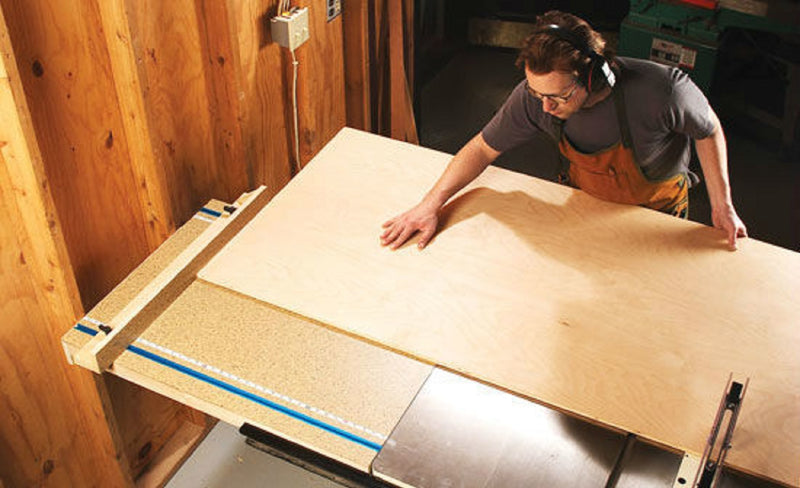
Image Source: landmarktools.com
Deciphering Rip Capacity: The Core Concept
Every table saw has a size limit for ripping wood. This limit is what manufacturers call the rip capacity. Think of it as the saw’s widest “reach.”
Rip capacity tells you how far the table saw rip fence adjustment can move away from the blade. The fence is the guide that keeps your wood straight during a cut. If your wood is wider than the rip capacity, you cannot safely guide it through the blade.
Why Rip Capacity Matters Most
For many woodworkers, the rip capacity is the single most important factor when choosing a table saw. If you plan to build large furniture or break down big plywood sheets, you need high rip capacity.
- Small Projects: A smaller saw might work fine.
- Large Projects: You need a saw with great capacity, often 30 inches or more.
How Rip Capacity Measurement Is Done
The rip capacity measurement is standardized, but it can be confusing if you look only at the saw’s footprint. It is not just the distance from the front edge of the table to the fence at its widest setting.
The official measurement is the distance from the edge of the saw blade (when the fence is fully extended) to the saw table’s edge or miter slot, whichever is closer on the left side.
Key points for rip capacity:
- It relates to the right side of the blade.
- It assumes the blade is set to its maximum height.
- It relies on the fence locking securely at that point.
Comparing Saw Types and Capacity
Different types of saws offer different inherent capacities:
| Table Saw Type | Typical Rip Capacity Range | Primary Use Case |
|---|---|---|
| Benchtop/Jobsite | 12 to 20 inches | Small, portable work |
| Contractor Saw | 24 to 30 inches | Serious hobbyist shops |
| Cabinet Saw | 30 to 52 inches | Professional shops, large panels |
The biggest difference often comes down to the support structure holding the fence. Cabinet saws use heavy, true-sliding T-square fences that maintain accuracy over long extensions.
Factors Affecting Rip Capacity
The maximum cutting width table saw is determined by several physical parts of the machine. Knowing these helps you grasp understanding table saw limits.
The Rip Fence System
This is the most direct influence. The fence is held up by rails or extensions.
- Rails: These are the bars running front to back on the table. Longer rails allow the fence to travel farther.
- Locking Mechanism: A precise and strong lock ensures the fence stays put when set to maximum extension. A weak lock makes high capacity useless because the fence shifts during the cut.
Saw Arbor Size and Rip
While the saw arbor size and rip capacity are not directly linked in a simple ratio, the arbor size dictates the maximum blade diameter possible. The blade diameter, in turn, affects how much space the motor housing and trunnions take up.
A larger arbor (usually found on 12-inch saws compared to 10-inch saws) means a bigger blade, which might slightly restrict the fence travel unless the saw body is also designed larger. For standard 10-inch saws, this is usually consistent.
Blade Depth and Rip Capacity
The blade depth and rip capacity relationship is indirect but important for safety and function. When the blade is raised to its maximum height, it takes up more room beneath the table wings. This extra bulk can sometimes limit how far the fence can move without fouling the motor housing or guard assembly. However, most manufacturers calculate capacity based on the blade being at a standard cutting height (usually 3/4 inch above the table).
Table Size and Extension Wings
The physical size of the saw table dictates how much support you have. A true cabinet saw has cast iron wings that meet the main table surface precisely. A jobsite saw often has plastic or thin metal extensions. The fence extension bracket must mount securely to these wings, limiting how far it can safely extend without wobbling.
Interpreting Table Saw Manuals and Specifications
When you look at a saw’s specs sheet, you will see several numbers. Interpreting table saw manual data correctly is crucial for avoiding disappointment.
Look for the specific line item: “Maximum Rip Capacity (Inches).”
Sometimes, manuals list two numbers:
- Factory Capacity: The maximum width the saw achieves when fully equipped with all factory extensions.
- Stock Capacity: The width achievable using only the main table surface, useful if you work on a smaller footprint.
Always trust the factory capacity, but be realistic about maintenance. Over time, the fence tracks might wear, slightly reducing usable capacity if not maintained perfectly.
Safety Implications of Exceeding Limits
Trying to force a board wider than the stated capacity is dangerous. This is one of the most common ways woodworkers create hazardous situations.
When the wood is wider than the capacity, the fence is often cantilevered (hanging out unsupported) or you might be tempted to use a separate, temporary fence clamped to the table.
Risks of Over-Ripping:
- Kickback: If the fence shifts even slightly during the cut, the wood can bind against the back of the blade, throwing the board back at the operator.
- Inaccurate Cuts: The wood will not stay parallel to the blade if the fence is not rigid throughout the entire cut path.
- Damage to Fence Rails: Excessive weight or pressure can warp the aluminum or steel rails supporting the fence.
If you routinely need to cut wider than your saw allows, you need a bigger saw or a different tool, such as a track saw or a panel saw.
Practical Steps for Adjusting Table Saw Fence
Proper alignment is key to ensuring you get the advertised rip capacity reliably. This involves adjusting table saw fence tracks and ensuring parallel movement.
Checking Fence Parallelism
The fence must run parallel to the miter slot (the guide slot) across the entire cutting surface. If it toes in (gets closer to the blade at the back than the front), it will pinch the wood and cause dangerous binding.
- Measure at the Front: Measure the gap between the front edge of the blade (or blade guard housing) and the fence.
- Measure at the Back: Measure the gap between the back edge of the blade and the fence.
- Compare: The measurements should be identical, or the back measurement should be slightly wider (toed out) by maybe 1/64 of an inch for safety. Never have the back narrower than the front.
Using the Extension Rails for Maximum Rip
To reach the maximum cutting width table saw rating, you must extend the outfeed table or the secondary rail system fully.
- Ensure the locking mechanism for the extension slides engages fully. Listen for a solid click or feel the lock firmly seat.
- Lock the main fence body first.
- Then, lock the extension guide securely to the main fence body.
If the fence wiggles after extending it, you are not getting the rated capacity safely.
Fathoming How Blade Size Relates to Capacity Limits
While rip capacity is primarily about the fence travel, the blade size dictates the safety margin.
A 10-inch saw blade protrudes about 1 5/8 inches above the table at 90 degrees. A 12-inch saw blade might protrude over 2 inches.
This extra height on larger saws necessitates a beefier guard and sometimes a bulkier motor housing behind the blade. These physical constraints are factored into the engineering, determining the maximum distance the fence can travel before hitting something solid on the saw’s body.
Advanced Considerations: Factors Affecting Rip Capacity Beyond the Fence
Beyond the physical rails, other factors affecting rip capacity come into play, especially for specialized or older saws.
Dust Collection Port Obstruction
On some saws, the dust collection port is located on the rear of the blade guard. If you raise the blade very high and then extend the fence to its maximum setting, the dust port housing might slightly restrict the fence travel before the official stop is reached. Always check this clearance.
Dado Stacks and Fence Travel
When using wide dado stacks for cutting grooves, the required clearance between the blade and the fence might increase slightly, especially with wider caps or nuts on the arbor. While this doesn’t change the rated capacity, it can limit the width of the piece you can safely cut with the dado stack installed.
Cabinet Construction Integrity
In cheaper saws, the main cabinet casting supporting the fence rails might flex under the weight of a long fence extension. This flexing compromises parallelism, effectively reducing the usable rip capacity, even if the fence theoretically locks far out. High-end cabinet saws are built to eliminate this flex.
Quick Reference: Checking Your Saw’s Limits
To quickly check if your saw is performing as advertised:
| Check Point | Action Required | Goal |
|---|---|---|
| Fence Movement | Extend fence to published limit. | Does it lock firmly without wobble? |
| Parallelism Check | Measure gap at front and back of blade. | Gaps should be equal or back slightly wider. |
| Board Test | Rip a board at the rated capacity limit. | Does the cut piece exit without binding or burning? |
| Manual Review | Locate the specific rip capacity spec. | Confirm the number matches your expectation. |
If the fence wobbles when extended, you need to service the fence locks or replace worn parts before relying on the published capacity.
Frequently Asked Questions About Table Saw Rip Capacity
Q1: Is the rip capacity the same as the width of my saw table?
No. Rip capacity is the distance from the blade to the fence when the fence is fully extended. The table width only describes the surface area available for supporting the wood.
Q2: Can I modify my saw to increase the rip capacity?
For most saws, especially jobsite or contractor models, physically increasing the rip capacity safely is very difficult. The structure supporting the fence rails is integral to the saw’s design. Attempting to install longer rails often compromises the stability of the fence lock, leading to dangerous cuts.
Q3: Does blade size affect the rip capacity number?
The published rip capacity is usually listed for a standard 10-inch blade set at a typical cutting height. Changing to a significantly smaller blade (like an 8-inch blade on a 10-inch saw adapter) will not increase the fence travel, as the rails limit the movement, not the blade diameter itself.
Q4: What is the difference between fence travel and rip capacity?
These terms are often used interchangeably. Rip capacity is the official specification based on safe, repeatable cuts. Fence travel refers to how far the fence can physically move, which may exceed the safe working capacity if the fence locks poorly at the extreme end. Always adhere to the rip capacity rating.
Q5: How does the saw arbor size and rip specification relate to how wide I can cut?
The arbor size defines the largest blade the saw can mount. The rip capacity dictates how far the fence can move away from that mounted blade. A large arbor might necessitate a larger saw body, which might allow for longer fence rails, but the relationship is indirect. The fence system controls the final number.